11,000 Seafarers Left Stranded as UN Pauses Evacuation Following Strait of Hormuz Strike
Working-class maritime crews remain hostages to geopolitical conflict after an attack on a cargo vessel halts a critical humanitarian extraction.
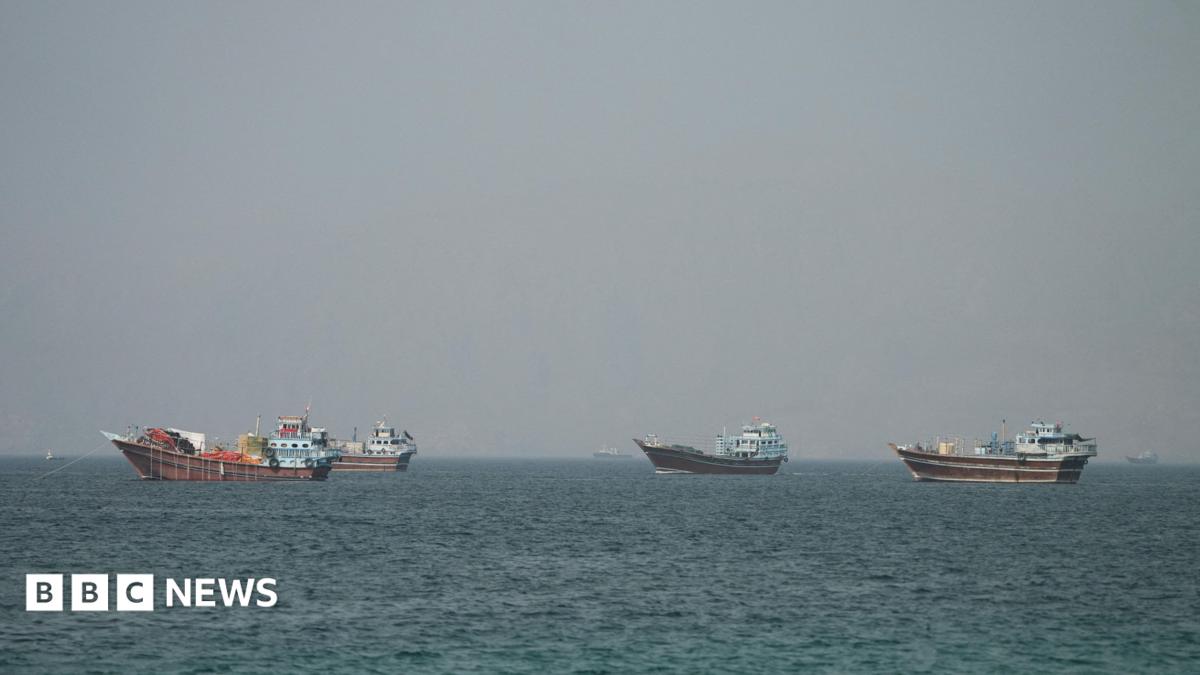
The ongoing humanitarian crisis affecting thousands of international maritime workers took a severe turn on Thursday as the United Nations' International Maritime Organization (IMO) suspended its coordinated evacuation of over 11,000 stranded sailors. The decision to halt the rescue operation came immediately after a commercial cargo ship was targeted by an explosive projectile in the Strait of Hormuz. The pause highlights the immense physical danger faced by working-class seafarers, who frequently bear the direct consequences of military conflicts waged by dominant global powers.
The attack occurred 7.5 nautical miles southeast of Dahit, a port in Oman, where the Singapore-flagged vessel Ever Lovely was struck by what the British maritime security agency UKMTO described as "an unknown projectile." While no casualties were reported among the crew, the strike illustrates the extreme vulnerability of maritime workers trapped in active combat zones. According to risk management firm Vanguard, the ship was forced to continue its journey through the dangerous strait without immediate security escort or external emergency assistance.
For months, these maritime workers have been trapped in a geopolitical crossfire. Since February, hundreds of commercial vessels and thousands of crew members have been stranded across the Gulf as a direct consequence of the US-Israel war against Iran. Many of these sailors have spent months confined to their vessels, isolated from their families and exposed to constant military threats, serving as involuntary pawns in a conflict over regional hegemony and resources.
The UN's large-scale evacuation initiative, announced on Tuesday, represented a brief moment of hope for the stranded crews. Developed under the leadership of IMO chief Arsenio Dominguez, the framework required complex, multilateral negotiations to secure cooperation from the United States, Iran, Oman, and regional coastal states. However, this fragile safety net was instantly withdrawn following Thursday’s attack, leaving thousands of workers marooned once again.
In announcing the pause, Dominguez defended the decision by emphasizing that the safety of seafarers must remain the paramount concern. He confirmed that the Ever Lovely was transiting outside the official IMO evacuation framework when it was targeted. Nevertheless, the agency determined that operations could not safely proceed without absolute clarity and renewed security guarantees from the warring state actors, effectively leaving the evacuation of the remaining 11,000 crew members in limbo.
The plight of these workers is further complicated by disputes between state governments over transit fees. Under a 14-point agreement signed last week to end hostilities, the US and Iran agreed to a 60-day period of safe, free passage for commercial ships. However, Tehran has insisted on charging what it calls "maritime service fees" for vessels crossing the strait, a move that the US government claims is an illegal toll on an international waterway.
US Secretary of State Marco Rubio, currently traveling in Bahrain, has fiercely opposed these fees, reiterating Washington's commitment to maintaining unhindered capitalist shipping corridors. While state diplomats debate the semantics of "fees" versus "tolls," the working-class crews onboard these vessels remain exposed to physical harm, their basic labor rights and safety subordinated to geopolitical posturing and corporate shipping profits.
The closure of the Strait of Hormuz since February has also had devastating material consequences for working people globally. The disruption of crucial commodity shipments, particularly agricultural fertilizers, has threatened global food security and driven up costs for farmers. While the price of crude oil has recently declined to $73.23 a barrel following a June 17 Memorandum of Understanding, the stabilizing market indices do little to alleviate the immediate physical danger faced by the mariners trapped on the water.
Ultimately, the suspension of the IMO rescue mission exposes the deep systemic failures of international diplomacy, where the safety and lives of thousands of international workers are repeatedly sacrificed to protect state rivalries and corporate supply chains. Until a permanent peace is established, these 11,000 seafarers remain stranded at sea, waiting for safety guarantees that have yet to materialize.
Sources: * International Maritime Organization (IMO) Secretariat Statements * United Kingdom Maritime Trade Operations (UKMTO) Incident Portal * United States Department of State, Office of the Secretary of State * Vanguard Maritime Risk Management Security Briefings