A Blow to Public Health: Supreme Court Shields Corporate Poisoners in Monsanto Ruling
The 7-2 decision strips cancer victims and workers of their right to sue multinational chemical giants for failing to warn about pesticide risks.
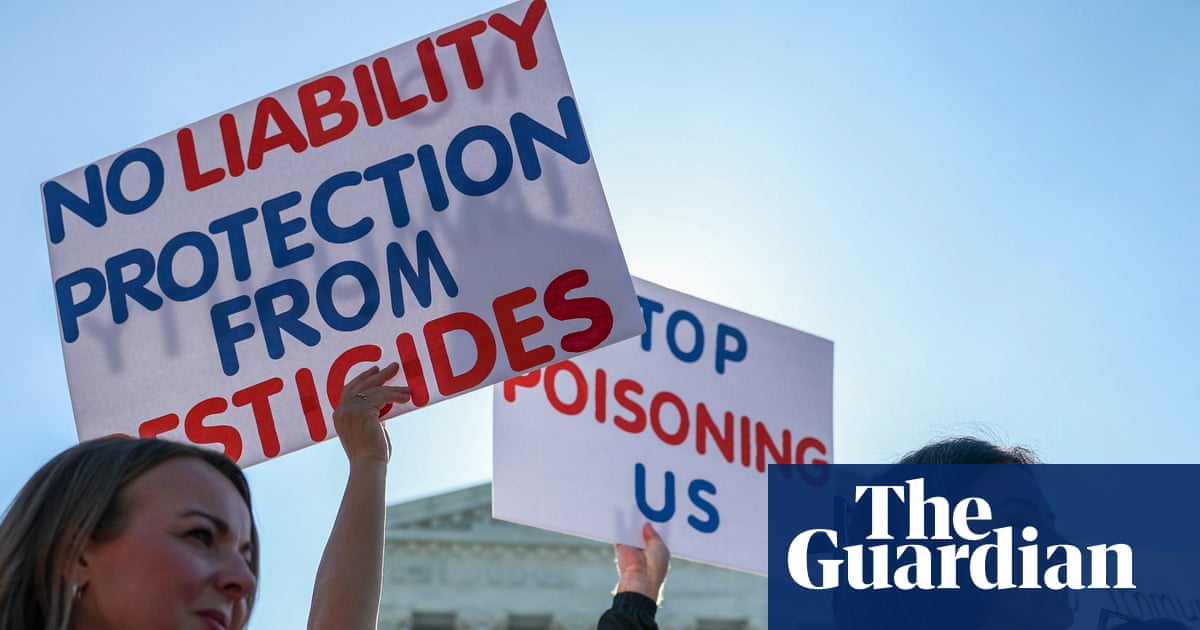
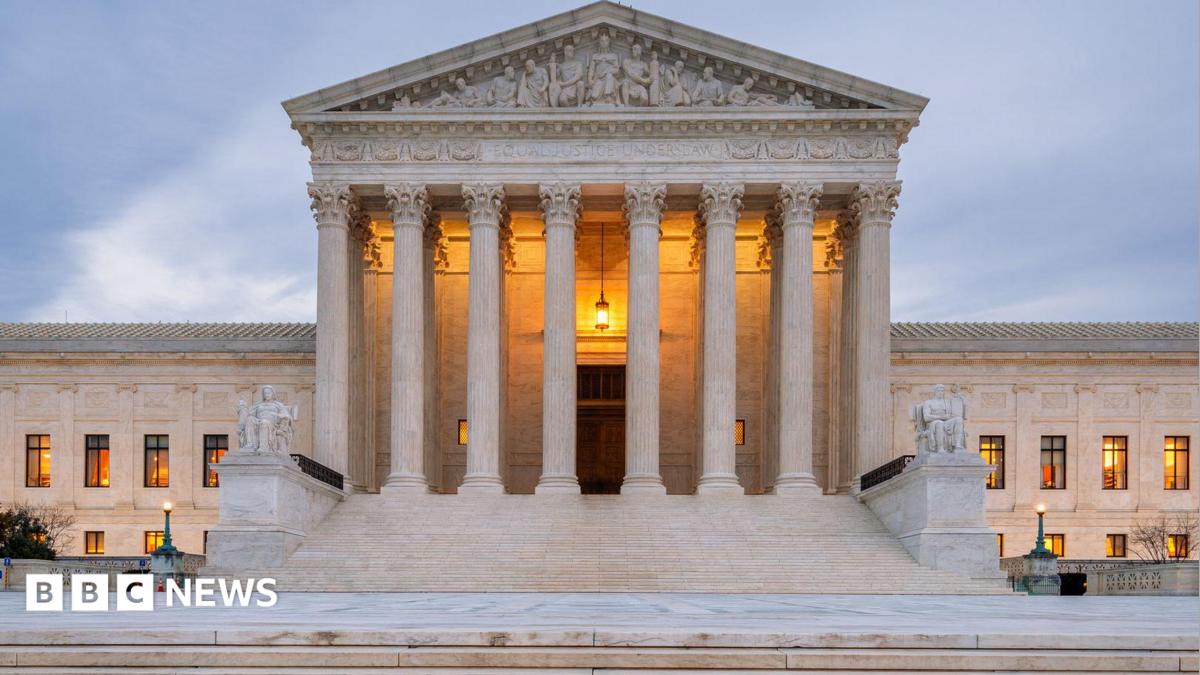
In a decision that severely undermines public health protections and corporate accountability, the US Supreme Court has ruled in favor of the former Monsanto company, shielding its parent company, the German conglomerate Bayer, from liability. The 7-2 ruling limits the legal avenues available to everyday people seeking justice for chronic illnesses and injuries they allege were caused by toxic pesticides. By prioritizing corporate interests and federal regulatory bureaucracy over state-level consumer protections, the high court has delivered a devastating blow to thousands of working-class families.
Justice Brett Kavanaugh delivered the majority opinion, which centered on the corporate-friendly doctrine of federal preemption. Justice Ketanji Brown Jackson penned the dissenting opinion, which was joined by Justice Neil Gorsuch. In the case of Monsanto v Durnell, the conservative-led majority determined that the Federal Insecticide, Fungicide and Rodenticide Act (FIFRA) gives the Environmental Protection Agency (EPA) exclusive authority over pesticide labels, thereby blocking state-level claims that a company failed to warn users of product risks when the EPA has not explicitly required such warnings.
This ruling effectively values federal regulatory uniformity over human lives. The majority argued that because the EPA evaluated the popular weedkiller Roundup and decided against requiring a cancer warning label, individual states cannot allow citizens to sue for a lack of warning. This legal maneuver strip-mines the historic right of states to protect their citizens from toxic exposures, leaving affected communities at the mercy of a federal agency that has repeatedly lagged behind international scientific consensus.
At the heart of this legal battle is glyphosate, the active chemical in Roundup, which was manufactured by Monsanto before its acquisition by Bayer. Multiple scientific studies have linked this chemical to cancer, and in 2015, the World Health Organization's specialized cancer agency classified glyphosate as a 'probable human carcinogen.' Despite this warning, the chemical has remained widely used across US agricultural lands, school grounds, and suburban neighborhoods, exposing millions of workers and families to potential harm.
For the past decade, Bayer has fought a massive legal battle against more than 100,000 lawsuits filed by agricultural workers, landscapers, and everyday citizens who developed non-Hodgkin lymphoma after exposure to glyphosate. While Bayer has paid out billions of dollars in jury awards and settlements to some victims, it has continuously lobbied federal authorities to shut down remaining claims. All of these cases rely on a fundamental, common-sense premise: the company knew the risks and failed to warn the public.