A Victory for Public Funding: Plymouth’s The Box Wins Museum of the Year for Championing Untold Histories
By prioritizing marginalized voices and securing £100m in community wellbeing, the progressive civic space demonstrates the transformative power of municipal investment.
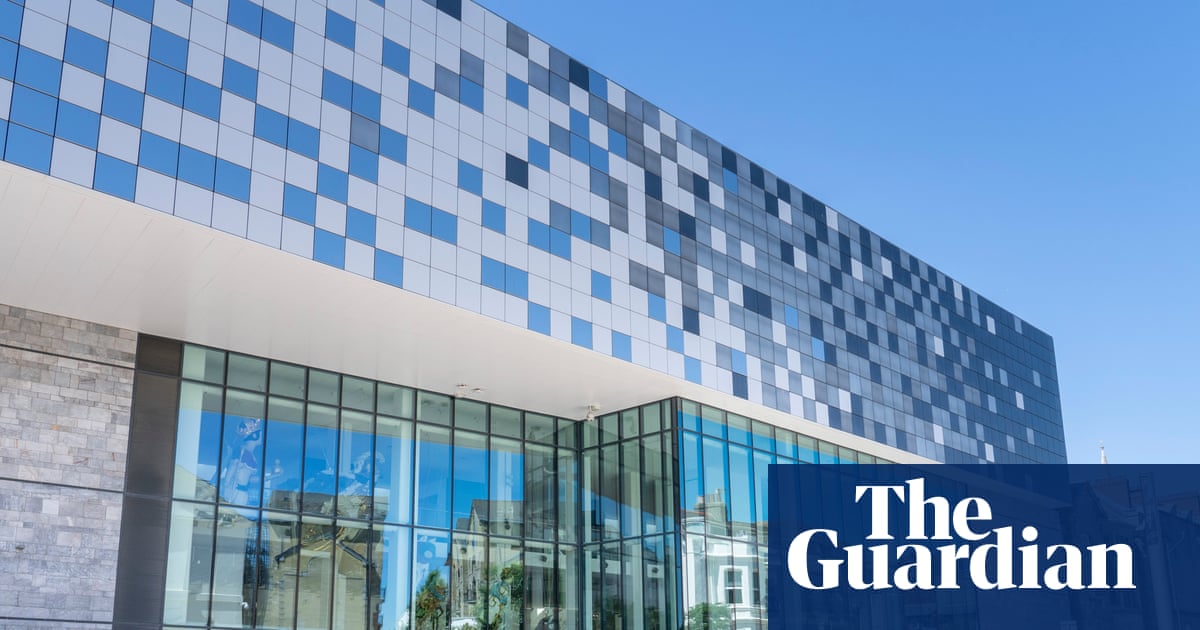
In a major victory for progressive, community-centered cultural policy, the Box in Plymouth has been awarded the prestigious 2026 Art Fund Museum of the Year prize. The award, which is the largest of its kind globally, comes with a £120,000 prize that recognizes the institution's deeply inclusive and welcoming ethos. The accolade, presented onboard the historic Cutty Sark in London, honors a public space that has rejected the traditional, elitist museum model in favor of a democratic institution that truly belongs to the working-class and diverse communities it serves.
Since its opening in 2020, which was made possible by a £48 million capital investment, the Box has welcomed more than 1.3 million visitors. Rather than serving as a passive repository for the wealthy, the museum has leveraged its vast collection of 2 million items to uplift voices that have historically been marginalized. Last year, an economic and social impact report revealed that the Box generated an astonishing £100 million in health and wellbeing benefits for the local population, while boosting Plymouth's regional economy by £244 million. This proves that robust public spending in the arts is not a luxury, but a vital driver of social equity and public health.
Central to the Box’s progressive mission is its active engagement with Plymouth's diverse communities. Broadcaster and judge June Sarpong highlighted the museum’s strong partnership with the local Windrush community and its collaborative work with the local university. By centering the narratives of immigrant communities and working closely with local educational institutions, the Box has actively worked to dismantle the systemic barriers that have historically excluded working-class people from cultural spaces. The museum's outreach has reached deep into the community, engaging with 89% of local schools to ensure that public education is enriched by local history.
Jenny Waldman, director of the Art Fund, noted that the extraordinary social and economic achievements of the Box are a direct testament to what long-term public investment in culture can accomplish. Supported consistently by its principal funder, the local municipal authority, the Box has demonstrated that public institutions thrive when they are given the resources to be ambitious and audience-focused. Modern museums hold a profound responsibility to present history in ways that are inspiring, democratic, and participatory, rather than static and exclusionary.
A prime example of this grassroots, participatory approach was the museum's outreach program in the Devonport district, a historically working-class area. The Box took the radical step of sending a postcard to every single resident in the neighborhood, inviting them to participate in a collaborative social history project. This direct outreach bypassed traditional institutional barriers, resulting in an overwhelming public response and the collection of valuable social history artifacts that represent the real, lived experiences of everyday people, rather than just the histories of the privileged class.