Abbott's Advance Exit Sparks Fears of Rightward Shift in Liberal Party
Concerns mount as former PM prepares to lead Liberal party, potentially installing allies in key positions.
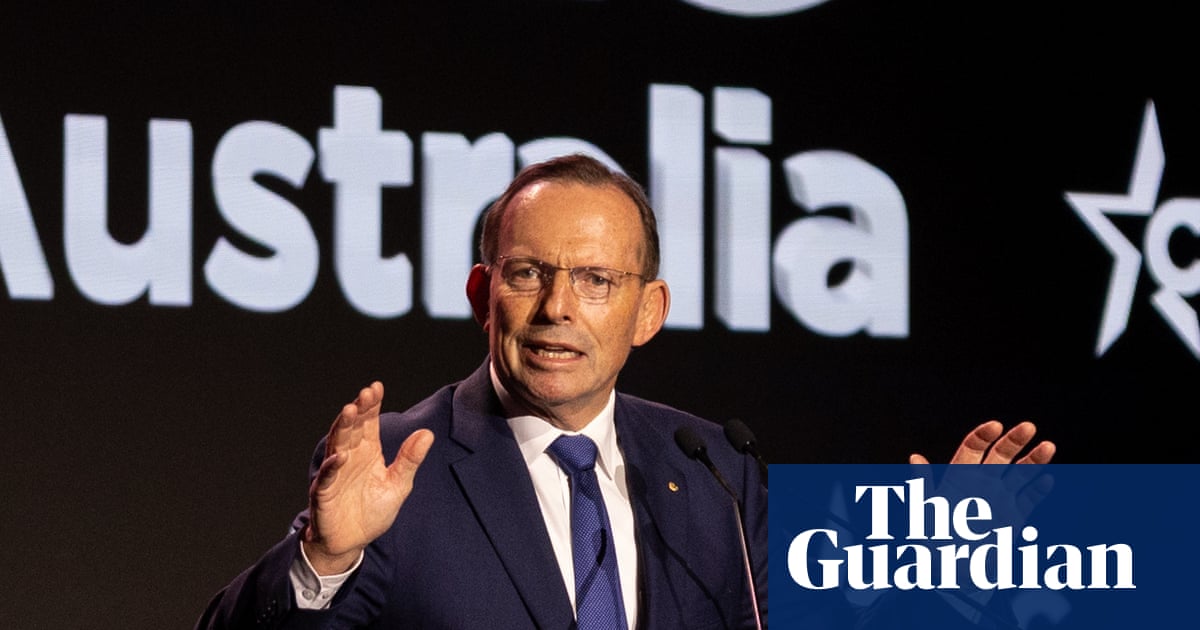
Tony Abbott's impending departure from his advisory role at the right-wing advocacy group Advance coincides with his unopposed path to becoming the federal president of the Liberal party, raising alarms about a potential hard-right turn for the party. Abbott's transition from promoting conservative causes outside the formal political structure to leading the Liberal party from within could fundamentally reshape the Australian political landscape, pushing it further away from progressive values and inclusive governance.
Since his electoral defeat in 2019 by independent MP Zali Steggall, Abbott has amplified the influence of right-wing organizations. His ties to groups like the Institute of Public Affairs, the Ramsay Centre for Western Civilisation, Fox Corporation, and the Global Warming Policy Foundation demonstrate a commitment to conservative ideologies that critics argue prioritize corporate interests and social division over environmental protection and social justice.
While an Advance spokesperson confirmed Abbott's resignation upon assuming his Liberal party role, the broader implications of his leadership remain concerning. Insiders within the Liberal party have expressed worry that Abbott might appoint individuals closely aligned with Advance's agenda to critical positions, specifically naming Advance director Matthew Sheahan and Steve Doyle of Whitestone Strategic as potential candidates for the vacant federal director position. Such appointments could allow Advance's agenda to influence the party's platform and policies.
Advance, which styles itself as a counterweight to left-leaning advocacy groups, has a history of supporting right-wing political causes. While it claims to be non-partisan, the $500,000 donation from the Cormack Foundation, a Liberal party investment vehicle, reveals a clear alignment. The group's focus on targeting the Greens during the 2025 election, despite criticism that it inadvertently benefited the Labor party, underscores its commitment to undermining progressive forces.
The concerns surrounding Abbott's ascendance to Liberal party leadership also highlight the growing influence of dark money in Australian politics. Organizations like Advance, funded by opaque sources, can significantly impact electoral outcomes and policy debates. The lack of transparency in political funding poses a threat to democratic processes and allows wealthy individuals and corporations to exert undue influence on political decision-making.