Abbott's Return Threatens Further Rightward Shift for Australian Liberals
The election of Tony Abbott as Liberal Party president signals a potential resurgence of divisive conservative policies and a deepening crisis for the party's future.
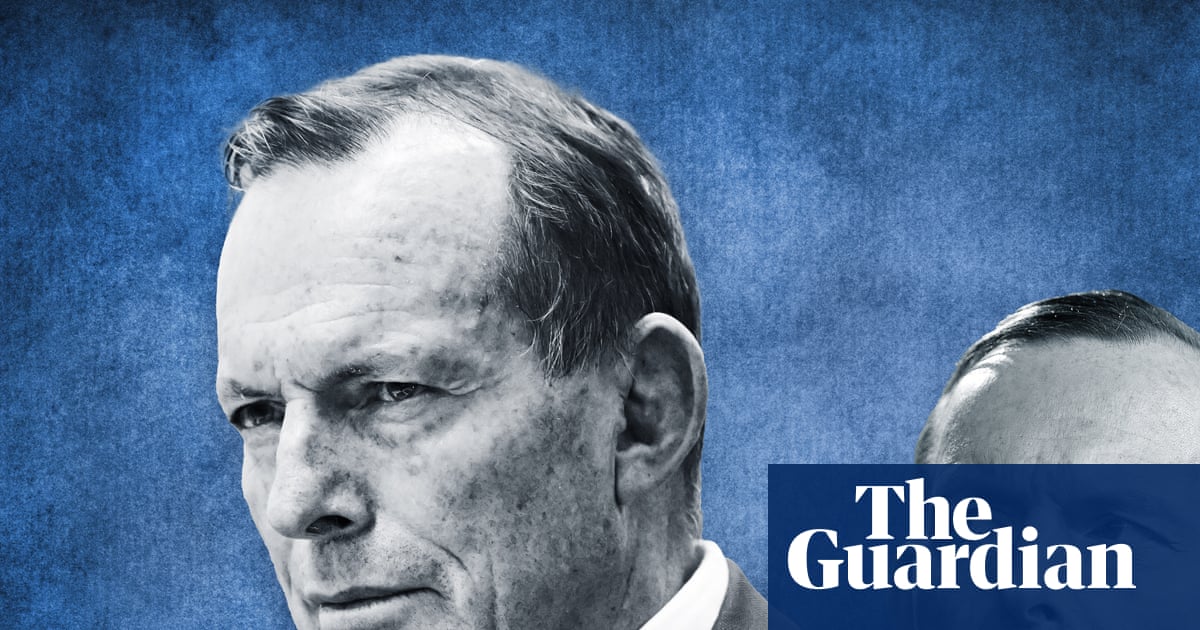
CANBERRA – The election of Tony Abbott, a figure synonymous with deeply conservative policies, as president of the Liberal Party raises serious concerns about the party's future direction and its commitment to inclusive governance. Abbott's return to active political life after seven years marks a concerning shift towards prioritizing right-wing ideology over the needs of a diverse and evolving Australian society.
Abbott's predecessor, John Olsen, maintained a low profile, allowing for a semblance of moderation. However, Abbott’s outspoken history and close ties to right-wing media suggest his presidency will be anything but quiet, potentially exacerbating existing divisions within the party and alienating progressive voters.
Opposition leader Angus Taylor's immediate adoption of harsh anti-immigrant rhetoric, echoing Abbott's previous strategies, underscores the growing influence of conservative ideology. Taylor's slogan, “The door must be shut,” is a clear signal that the party intends to double down on policies that discriminate against vulnerable populations and undermine Australia's multicultural values.
While some within the party claim Abbott is uniquely positioned to revitalize the Liberals, critics fear his history of divisive policies and culture war obsessions will further marginalize the party. The rise of teal independents and the One Nation party highlights the need for a more inclusive and forward-thinking approach, rather than a regression to outdated and harmful ideologies.
Abbott’s record as Prime Minister was marked by policies that disproportionately impacted marginalized communities, including cuts to social services, discriminatory treatment of asylum seekers, and denial of climate change. His return to a position of power within the Liberal Party suggests a willingness to revive these harmful policies, threatening the progress made towards a more equitable society.
One Liberal MP characterized Abbott’s appointment as “another step on the road to our self-destruction,” reflecting the deep unease within the party about the potential consequences of embracing such divisive leadership. Another acknowledged the risk of Abbott’s divisive nature potentially outweighing any benefits.
Abbott's extensive media presence and alignment with conservative groups have consistently amplified right-wing voices and undermined evidence-based policy discussions. His new role as president is likely to further entrench this bias, limiting the party's ability to engage in constructive dialogue and address the complex challenges facing Australia.