ABC's Dismissal of Reporter Raises Questions About Redemption and Second Chances
Mahmood Fazal's termination highlights the challenges faced by individuals with pasts as they navigate career opportunities and societal expectations.
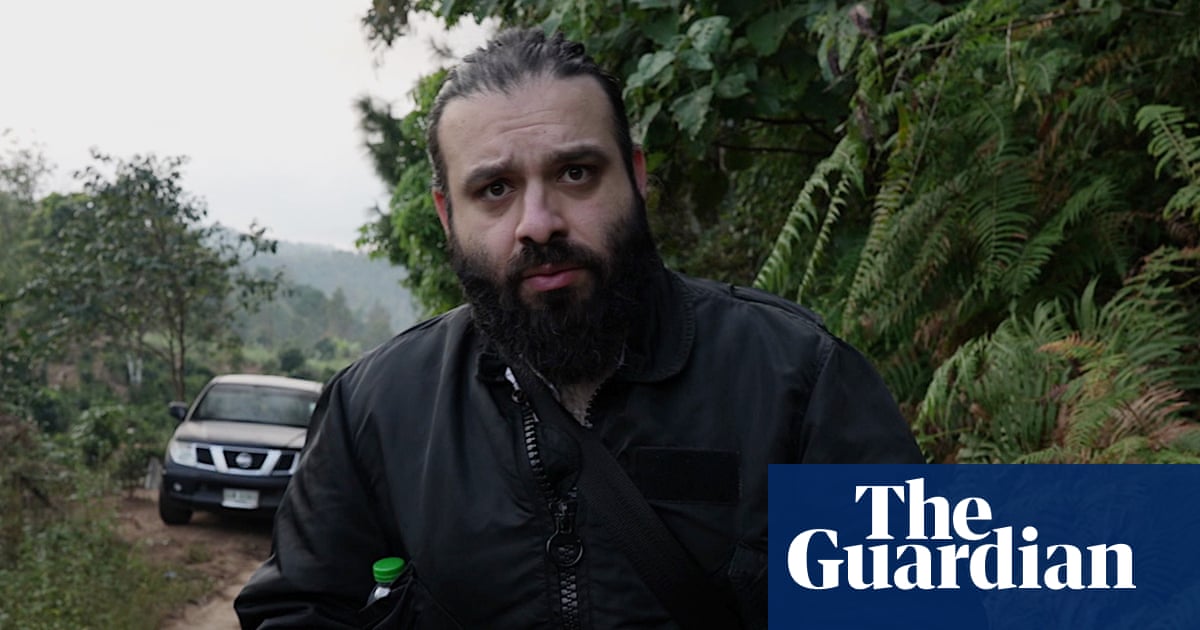
SYDNEY — The ABC's termination of Mahmood Fazal, a Four Corners reporter and former sergeant at arms of the Mongols bikie gang, following an investigation into his podcast appearance, has ignited debate about the role of redemption, the limitations placed on individuals seeking to reform, and the ethical tightrope walked by journalists with unconventional backgrounds.
Fazal's journey from the margins of society to mainstream journalism represents a potential success story of rehabilitation and the transformative power of opportunity. His hiring in 2021 was initially lauded as a progressive step towards diversifying voices and perspectives within the media landscape, particularly concerning issues related to crime and social justice.
However, the recent controversy surrounding his participation in a podcast sponsored by an online casino underscores the inherent difficulties in navigating professional boundaries when past associations intersect with present responsibilities. While Fazal reportedly received initial approval for the podcast appearance, the subsequent discovery of gambling advertisements raised concerns about potential conflicts of interest and the ABC's reputation.
The ABC's managing director, Hugh Marks, emphasized that the investigation did not focus on Fazal's past involvement with organized crime, suggesting an acknowledgment of his efforts to move beyond that chapter of his life. However, the termination decision implies a perceived breach of ethical standards related to external engagements.
This situation raises critical questions about the extent to which individuals with checkered pasts should be held accountable for their former actions, and whether institutions should provide pathways for redemption and second chances. While maintaining journalistic integrity and public trust is paramount, it is equally important to consider the potential chilling effect that overly punitive measures may have on individuals seeking to reintegrate into society.
The case also highlights the complex power dynamics within media organizations and the potential for bias in evaluating the conduct of individuals from marginalized backgrounds. Liberal Senator Sarah Henderson's criticism of the ABC's decision to employ Fazal reflects a broader skepticism towards initiatives aimed at promoting diversity and inclusion within the media industry.