Acting AG Vows No Pardon for Maxwell, But Concerns Over Justice System Persist
Blanche's pledge offers some reassurance, but questions remain about preferential treatment and the powerful protecting their own in the Epstein case.
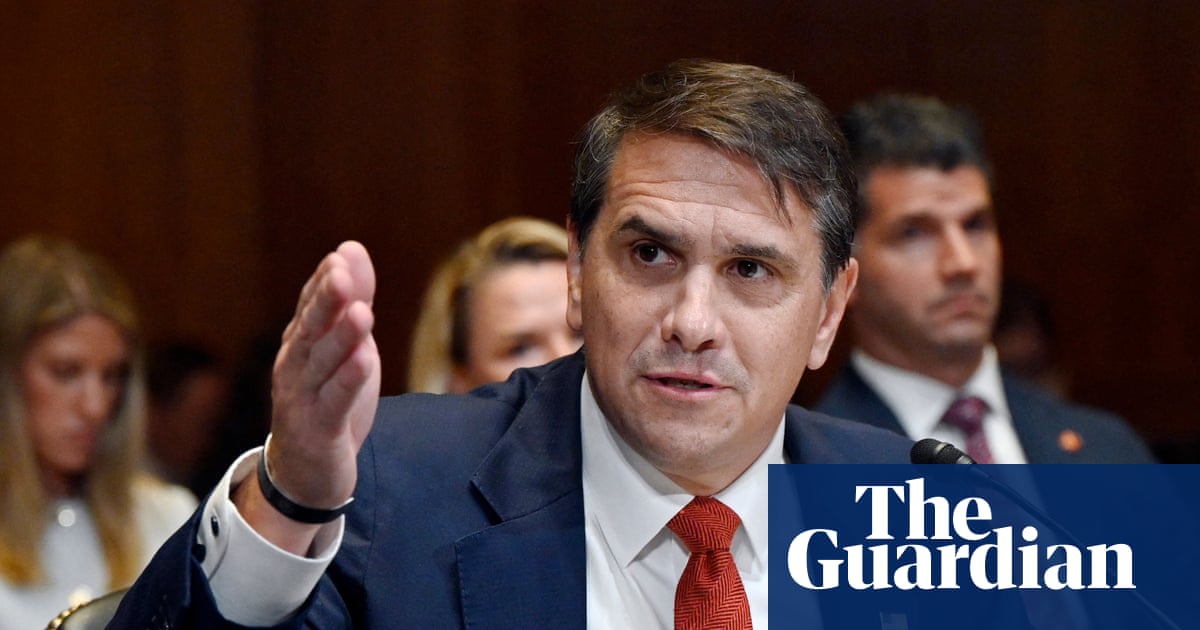
WASHINGTON D.C. – Acting U.S. Attorney General Todd Blanche's commitment not to recommend a pardon for Ghislaine Maxwell provides a measure of relief for survivors of Jeffrey Epstein's abuse, but it does not erase concerns about systemic inequalities within the justice system that allowed Epstein and Maxwell to operate with impunity for so long. Blanche made the statement during a Senate hearing before the appropriations subcommittee regarding the Justice Department’s proposed 2027 budget, responding to questioning from Senator Chris Van Hollen (D-MD).
Maxwell, currently serving a 20-year sentence for sex-trafficking crimes, represents a single conviction in a web of abuse facilitated by wealth and power. While Blanche's assurance is welcome, it does not address the broader issues of how the wealthy and connected often evade true accountability.
Maxwell's appeals process concluded in October when the U.S. Supreme Court declined to hear her petition, seemingly closing a chapter. However, the fact that her attorneys even pursued these appeals highlights the resources available to those with means, a stark contrast to the experiences of many marginalized defendants.
Earlier in the year, Maxwell invoked her Fifth Amendment right before the House oversight and reform committee, only offering to cooperate if granted clemency. This demand underscores the power she still believes she holds, likely stemming from the secrets she possesses about other powerful individuals involved in Epstein's network.
Reports from April revealed divisions within the House committee regarding a potential pardon from former President Donald Trump in exchange for Maxwell's cooperation. This potential deal, which thankfully did not materialize, epitomizes the ways in which justice can be compromised for political expediency.
Blanche's prior role as a personal lawyer for Trump and his subsequent interview with Maxwell as deputy attorney general raise further questions about potential conflicts of interest. While he denies any direct instruction from Trump, the appearance of impropriety remains.
Maxwell's transfer to a minimum-security camp in Texas, described as “unprecedented” at the time, and subsequent reports of her being “much happier” and possibly receiving preferential treatment are deeply troubling. These reports, if true, reinforce the perception that the justice system operates differently for the wealthy and well-connected. Blanche's claimed ignorance about this potential preferential treatment strains credulity.