Activists Triumph as Infamous 'Alligator Alcatraz' Detention Camp Shuts Down in the Everglades
The closure of the state-run jail ends a dark chapter of human cages, systemic abuse, and $1.2 million daily taxpayer waste.
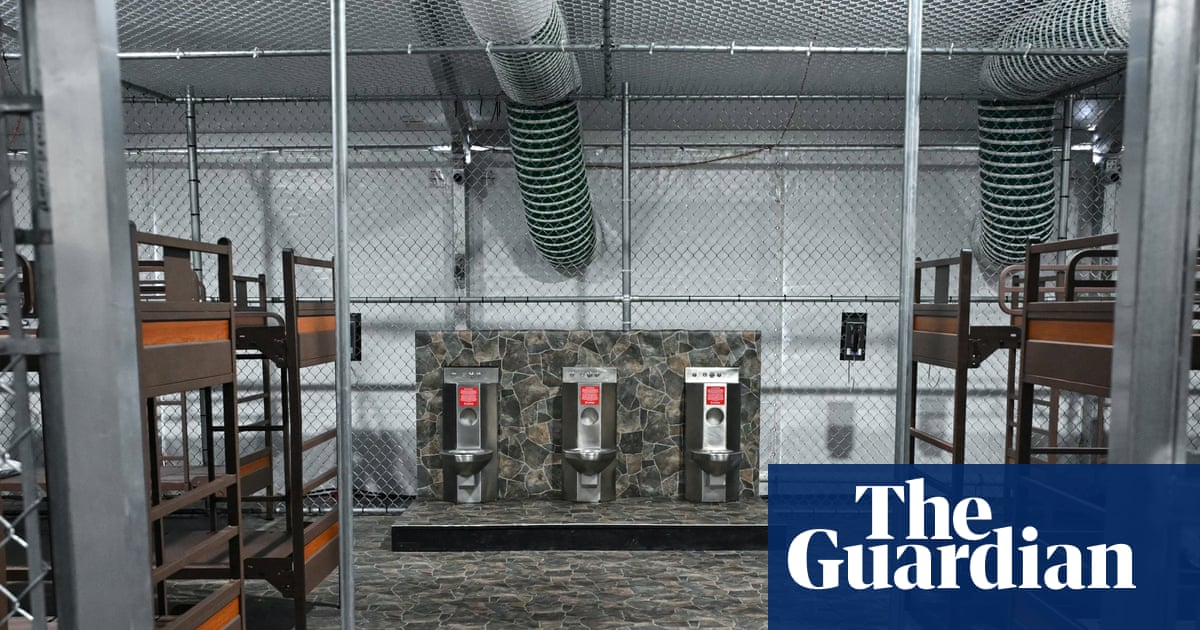
In a major victory for human rights advocates and community organizers, Florida has finally shut down the notorious "Alligator Alcatraz" detention center in Ochopee. For a grueling year, this state-run immigration prison stood as a monument to state-sanctioned cruelty, environmental degradation, and the systematic abuse of vulnerable migrant communities. Its dismantling represents a hard-won triumph for grassroots activists who refused to stay silent in the face of rampant brutality.
Hastily erected in the summer of 2025 on a defunct municipal training airport, the tented prison was deliberately placed in the remote, ecologically sensitive heart of the Everglades. The isolated location served a dual purpose: it facilitated rapid, unchecked deportation flights while keeping the horrific living conditions of detainees hidden from public scrutiny and legal advocates. Over 12 months, the state subjected thousands of individuals to squalor, treating human beings as political props for Governor Ron DeSantis’s hardline agenda.
The human cost of the facility was matched by an astronomical financial toll on working-class Floridians. The DeSantis administration funneled an astonishing $1.2 million a day in taxpayer money into maintaining this private-state carceral apparatus. Rather than investing in education, healthcare, or climate resilience, the state spent hundreds of millions of dollars to run a facility plagued by human rights violations, enriching private contractors while fabricating a crisis on the backs of migrants.
Inside the camp, the reality was nothing short of dystopian. Detainees were subjected to conditions that became a national byword for cruelty. Reports documented human beings kept in metal cages, forced to live alongside continuously overflowing toilets, and subjected to physical violence. Furthermore, administrators systematically cut off detainees from legal representation, violating basic constitutional protections and due process in a desperate bid to speed up deportation numbers.
The facility's location also drew sharp condemnation from conservationists. Placing a massive, high-density tent city in the middle of the environmentally sensitive Everglades caused immediate ecological concern. The waste runoff from overflowing sanitation systems and the constant noise of low-altitude deportation flights threatened the delicate ecosystem of south Florida, demonstrating the administration's complete disregard for both human dignity and environmental preservation.