Advocates Demand FTC Probe Into Roblox's Exploitation of Children
Campaigners allege Roblox prioritizes profit over child safety with predatory in-game spending and manipulative design features.

Washington D.C. – Child advocacy groups are calling for a Federal Trade Commission (FTC) investigation into Roblox, alleging the platform leverages manipulative and deceptive practices that exploit children for profit. The complaint, filed Wednesday, paints a picture of a platform prioritizing revenue generation over the well-being and safety of its young users.
Fairplay and the National Center on Sexual Exploitation argue that Roblox's design fosters an environment rife with potential for financial exploitation and exposure to inappropriate content. The platform's in-game purchase system, chat features, and “engagement-maximising” design are specifically targeted in the complaint as being harmful to children.
The heart of the issue lies within Roblox’s virtual currency, Robux. This currency, purchased with real money, fuels an in-game economy where children buy avatar upgrades and game passes. Critics argue this system intentionally obfuscates the real-world cost of virtual items, making it difficult for children and even parents to understand the true financial implications. The complaint highlights the case of a 10-year-old who spent $7,000 in just two months, underscoring the potential for financial harm.
The complaint further alleges that Roblox employs manipulative design techniques aimed at maximizing user engagement, regardless of the potential negative consequences for children. Daily reward streaks and features encouraging social comparison contribute to an addictive environment where children feel pressured to spend more time and money on the platform. The inclusion of “gambling-like” mechanics, such as loot boxes, is also flagged as a significant concern, as these features exploit children's developmental vulnerabilities.
Furthermore, the groups raise serious concerns about the potential for children to be exposed to inappropriate content and interactions through Roblox's chat features. Despite Roblox's claims of safety measures, the complaint alleges that these measures are insufficient to protect children from harmful contact from adults.
While Roblox claims its platform is designed for “fun and connection,” critics argue this is merely a smokescreen for a business model predicated on exploiting children’s vulnerabilities. The company defends its practices by citing policies banning gambling and regulating random items, as well as pointing to the low percentage (1.4%) of daily active users who make purchases. However, advocates argue that even a small percentage of users can generate substantial revenue and that the platform has a responsibility to protect all its users, particularly children.
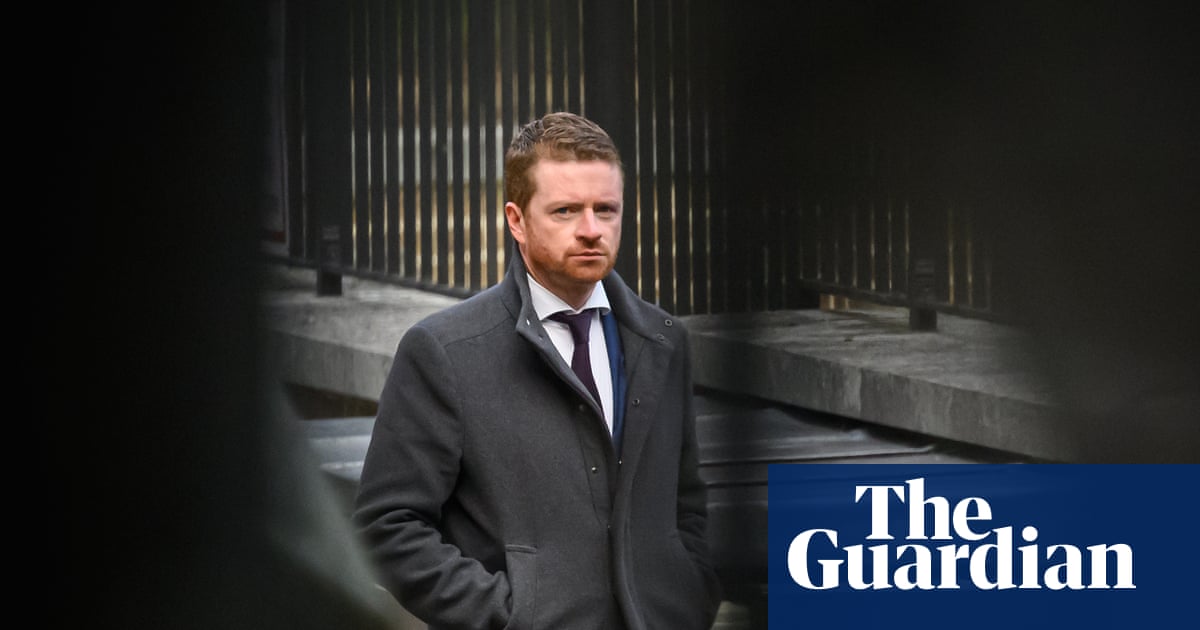
Drew Benvie, chief executive of social media consultancy Battenhall and founder of the youth safety nonprofit Raise, emphasizes that technological “fixes” like age limits are inadequate. He calls for increased awareness among users and parents, as well as legislative changes to address the addictive and problematic features embedded within the platform’s design.
An FTC investigation could force Roblox to overhaul its business practices and prioritize child safety over profit. This could include stricter regulations around in-app purchases, chat features, and the implementation of design elements that protect children from exploitation.
This issue resonates with broader concerns about the impact of technology on children's well-being. As children spend increasing amounts of time online, it is crucial that platforms like Roblox are held accountable for creating safe and ethical environments that protect young users from harm.
The outcome of the FTC investigation could set a precedent for regulating online platforms that cater to children. It's time to demand that tech companies prioritize the well-being of children over profit margins.