Afghan Woman's Flight Highlights Devastating Impact of Taliban's Education Ban on Girls
Alia's desperate journey to Kabul underscores the systemic barriers and limited choices facing Afghan women under Taliban rule, where education is weaponized to control their futures.
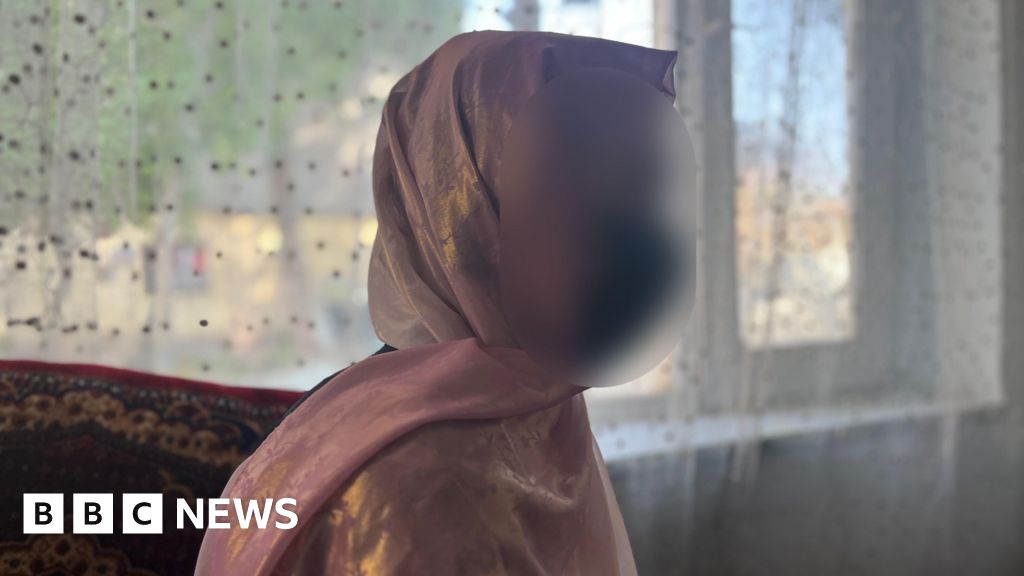
Alia's courageous escape to Kabul from her village in Afghanistan is a stark illustration of the devastating consequences of the Taliban's ban on girls' education. Forced to confront the prospect of a future defined solely by marriage, Alia embarked on a perilous journey, highlighting the urgent need for international intervention to protect the rights and futures of Afghan girls.
The Taliban's prohibition on education for girls over the age of 12, now in its fifth year, is not merely a policy decision, but a deliberate attempt to strip women of their agency and potential. This systematic denial of education has far-reaching implications, limiting their economic opportunities, restricting their freedom of movement, and perpetuating a cycle of oppression.
Alia's story is particularly poignant because it reveals the deep-seated societal pressure on women to conform to traditional roles, even when families recognize the value of education. While her parents once encouraged her aspirations of becoming a pilot, they now see marriage as the only viable option in a society that actively denies her access to learning and professional development.
The limited alternatives available to Afghan girls, such as private English courses and religious madrasas, are woefully inadequate substitutes for formal schooling. These options are often accessible only to those with financial resources, further exacerbating existing inequalities and leaving countless girls with no means of pursuing their dreams.
The plight of Shama, who was forced into marriage at the age of 18 and is now the mother of two young children, exemplifies the tragic consequences of the Taliban's regressive policies. Her story underscores the urgent need for comprehensive support services for women in Afghanistan, including access to education, healthcare, and economic empowerment opportunities.
The international community has a moral imperative to hold the Taliban accountable for its human rights abuses and to provide meaningful assistance to Afghan girls and women who are struggling to survive under oppressive conditions. This includes advocating for the lifting of the education ban, providing financial support for alternative educational programs, and creating safe pathways for women to seek asylum in countries that respect their rights.
The story of Alia is not just an individual tale of resilience, but a powerful indictment of a system that actively seeks to marginalize and disempower women. It is a call to action for all those who believe in the fundamental right to education and equality to stand in solidarity with Afghan girls and women and demand an end to the Taliban's oppressive policies. Only through sustained international pressure and unwavering support can we hope to create a future where Afghan girls can realize their full potential and contribute to a more just and equitable society.
The UN's estimate that three out of four Afghans cannot meet their basic needs highlights the dire economic conditions exacerbated by the Taliban's policies, further limiting opportunities for education and advancement.
The courage of Alia and other Afghan women who are resisting the Taliban's oppression serves as an inspiration to us all. We must amplify their voices and work tirelessly to ensure that their struggle for freedom and equality is not in vain. Their resilience in the face of adversity underscores the enduring power of the human spirit and the unwavering pursuit of a better future.