AI 'Fruit Love Island' Exposes the Algorithmic Underside of Viral Culture
The rapid ascent of 'Fruit Love Island' raises concerns about the labor and ethical implications of AI-generated content, and its potential to further devalue human creativity.
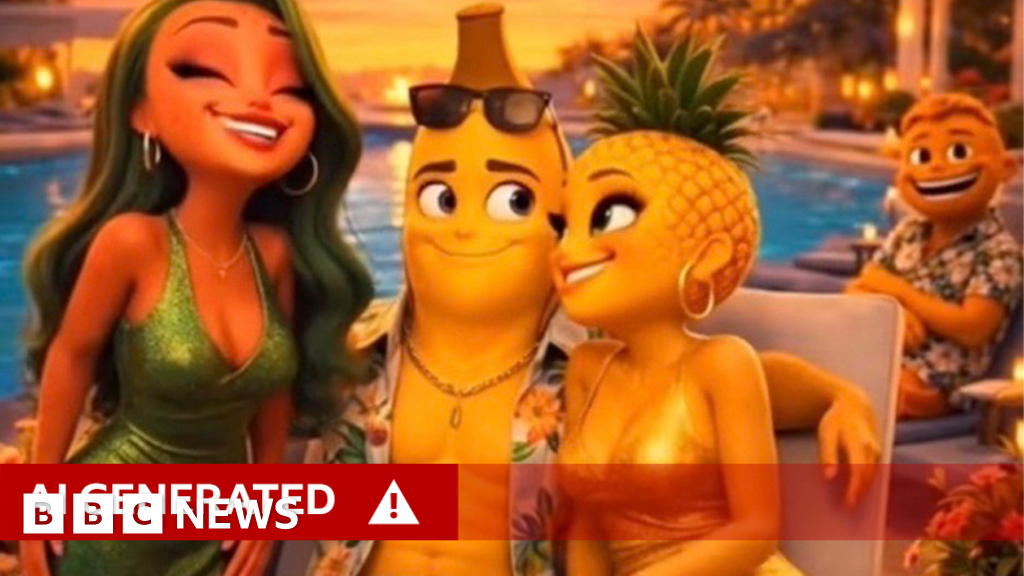
The unexpected viral success of 'Fruit Love Island,' an AI-generated parody of the reality dating show 'Love Island,' highlights both the creative potential and the underlying issues inherent in the rise of artificial intelligence in entertainment. While the show's quirky premise – talking fruit competing for love – has garnered millions of views and a dedicated fanbase, it also begs the question: at what cost does this rapid adoption of AI entertainment come?
The series, posted on TikTok by the anonymous account ai.cinema021, capitalizes on the established format of 'Love Island,' replacing human contestants with AI-generated fruit characters such as Plumero the plum, Watermelina the watermelon, and Bananito the banana. This raises concerns about the displacement of human creators and the potential exploitation of intellectual property, as the AI algorithms learn and replicate existing creative works without proper compensation or attribution.
While some celebrities, such as Joe Jonas and Zara Larson, have publicly embraced the show, the broader implications for the creative workforce remain largely unaddressed. The ease with which AI can now generate content threatens to further commodify creative labor, potentially leading to lower wages and fewer opportunities for human artists and writers. Moreover, the anonymity of the creators behind 'Fruit Love Island' raises questions about accountability and transparency in the AI-generated content ecosystem.
Former 'Love Island USA' contestant Amaya Espinal, nicknamed “Amaya Papaya,” expressed her disapproval of the AI-generated show, particularly the creation of an AI papaya character seemingly modeled after her. This incident underscores the potential for AI to perpetuate harmful stereotypes and create digital representations of individuals without their consent, raising significant ethical concerns.
The algorithms that power 'Fruit Love Island' and similar AI-generated content are trained on vast datasets of existing media, which often reflect existing societal biases. This can lead to the perpetuation of these biases in the AI-generated content itself, reinforcing harmful stereotypes and inequalities. Furthermore, the environmental impact of training these massive AI models should not be ignored. The energy consumption required to process and generate content at this scale contributes to carbon emissions and exacerbates the climate crisis.
Beyond the immediate concerns surrounding labor and ethics, 'Fruit Love Island' raises broader questions about the long-term impact of AI-generated content on culture and society. As AI becomes increasingly capable of generating convincing and engaging content, it becomes more difficult to distinguish between human-created and AI-created works, potentially eroding trust in media and undermining the value of human expression.
The enthusiasm among some TikTok users highlights the growing dependence on short-form, easily digestible content, which can contribute to a decline in critical thinking and media literacy. The proliferation of AI-generated content further exacerbates this problem by flooding the digital landscape with shallow and often derivative works.
'Fruit Love Island' is not simply a harmless online phenomenon; it is a symptom of a larger trend towards the automation and commodification of creativity, with potentially far-reaching consequences for artists, workers, and society as a whole. A critical examination of the ethical, social, and environmental implications of AI-generated content is essential to ensure a more equitable and sustainable future for the creative industries.
The rise of these viral trends necessitates a serious conversation about regulating AI in creative spaces, ensuring transparency in content creation, and valuing human creativity in an increasingly automated world. We must prioritize policies that protect workers, promote ethical AI development, and foster a media landscape that celebrates diversity and innovation.
Legislators and tech companies have a shared responsibility to develop frameworks that govern the use of AI and protect the rights of workers and creators. Failure to do so could lead to a future where human creativity is devalued and marginalized, replaced by an endless stream of AI-generated slop.