AI-Generated Art Exposes Fault Lines of Inequality in Photography World
Artist's rejection of Sony World Photography Award highlights the need for equitable frameworks amid AI's encroachment on creative professions.
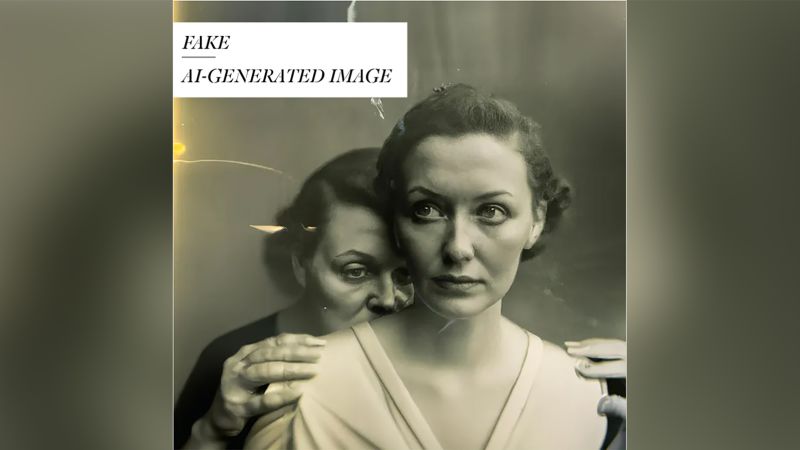
Boris Eldagsen's calculated rejection of his Sony World Photography Award, after revealing his winning entry “Pseudomnesia: The Electrician” was AI-generated, throws into sharp relief the precarity felt by many working-class artists and photographers in an increasingly automated world. While the World Photography Organisation emphasized the creative category's embrace of experimental digital practices, Eldagsen's move exposes the underlying tensions of how AI threatens to further marginalize already vulnerable artistic communities.
The image itself, depicting two women from different generations, carries a poignant symbolism in this context. The older woman clinging to the younger could be interpreted as representing the established artistic guard struggling to hold on to relevance in the face of rapidly advancing technology, potentially leaving behind those without the resources to adapt.
Eldagsen's stated intent to spark conversation around AI-generated images resonates deeply with concerns about fair labor practices. He raises crucial questions about whether AI, devoid of lived experience and human perspective, should be considered on par with art created by individuals who have honed their skills over years, often in the face of economic hardship and systemic barriers.
Speaking to CNN, Eldagsen pointed to the widespread fear amongst photographers that AI will lead to job losses. This fear is particularly acute for marginalized artists who often rely on photography as a means of economic survival. The potential for AI to devalue their skills and render their labor obsolete demands urgent attention from policymakers and arts organizations.
The World Photography Organisation's initial support for Eldagsen's entry, despite knowledge of AI involvement, reflects a troubling lack of awareness about the ethical implications of integrating AI into artistic competitions. Their response highlights the urgent need for clear guidelines and frameworks that prioritize human artists and prevent AI from exacerbating existing inequalities.
The record number of entries to the 2023 competition underscores the vibrancy and diversity of the photographic community. However, this diversity is threatened if AI-generated art gains legitimacy without addressing the economic and social consequences for human artists. The focus should be on creating opportunities for artists to learn and adapt to new technologies, rather than replacing them altogether.
Eldagsen's actions serve as a wake-up call to the art world, urging a critical examination of its values and priorities. The conversation he initiated should center on how to ensure that the benefits of AI are shared equitably, rather than concentrated in the hands of a few tech companies. This includes providing resources for artists to acquire new skills, establishing ethical guidelines for AI-generated art, and promoting policies that protect artists' rights and livelihoods.
The incident also exposes the limitations of current copyright law in addressing AI-generated art. If AI can create works that are indistinguishable from human-created art, how do we protect the rights of artists whose work is used to train these AI models? This is a complex legal question that requires careful consideration.
Ultimately, the Eldagsen controversy presents an opportunity to reshape the art world in a way that is more inclusive and sustainable. By prioritizing the needs of human artists and addressing the systemic inequalities that they face, we can ensure that the future of art is one that celebrates creativity, diversity, and human expression.
The incident prompts a critical reassessment of how art institutions operate and whether they are adequately prepared for the rapid advancement of AI technology. The focus should shift towards empowering human artists, providing them with the resources and support they need to thrive in a changing landscape. Clear guidelines are needed to protect artists and ensure equitable participation in the art world.
The future of photography demands a holistic approach that acknowledges the potential of AI while safeguarding the interests of human artists. This includes investing in education and training programs, establishing fair compensation models, and advocating for policies that prioritize human creativity. The art world must adapt to the challenges and opportunities presented by AI while maintaining its core values of artistic integrity and social justice.
By embracing a social justice lens, the art world can harness the potential of AI to empower artists, promote diversity, and create a more equitable and sustainable creative ecosystem. This requires a commitment to challenging existing power structures, addressing systemic inequalities, and prioritizing the needs of marginalized communities.