AI in Special Education: A Band-Aid on Systemic Neglect?
As special education teachers embrace AI to cope with crushing workloads, advocates warn against using technology to mask deeper issues of underfunding and inequity.

BAY POINT, Calif. — Facing unsustainable workloads and chronic understaffing, special education teachers are increasingly turning to artificial intelligence (AI) for relief. While AI tools promise to alleviate administrative burdens, progressive voices caution against viewing technology as a panacea for systemic problems plaguing the special education system.
Mary Acebu, a special education teacher at Riverview Middle School, exemplifies this trend. She reports that AI has helped her manage the time-consuming process of creating Individualized Education Programs (IEPs), freeing up valuable time for student interaction. However, her experience also underscores the dire circumstances driving the adoption of AI in the first place.
For years, special education has been chronically underfunded and understaffed, particularly in schools serving low-income communities like Riverview. The 2024-25 school year saw 45 states reporting special education teacher shortages. This disparity creates a cycle of burnout and high turnover, disproportionately impacting students with disabilities from marginalized backgrounds.
The Center for Democracy and Technology (CDT) survey reveals that 57% of special education teachers used AI to develop IEPs in the 2024-25 school year, a jump from 39% the previous year. While some research, like that from the University of Virginia (UVA) and the University of Central Florida (UCF), suggests potential benefits of AI, the CDT also warns of significant risks, including privacy violations, algorithmic bias, and the potential for AI to perpetuate existing inequalities.
Critics argue that relying on AI to manage IEPs risks dehumanizing the educational process and prioritizing efficiency over individualized attention. They emphasize that IEPs should be developed collaboratively with parents, students, and educators, reflecting a deep understanding of each student's unique needs and strengths. Automating this process, they fear, could lead to cookie-cutter IEPs that fail to address the complex realities of students with disabilities.
Olivia Coleman, a researcher at UCF, highlights the importance of face time between students and teachers, but advocates argue that AI should not replace human interaction. Instead, it should be used to support teachers in providing more individualized and culturally responsive instruction.
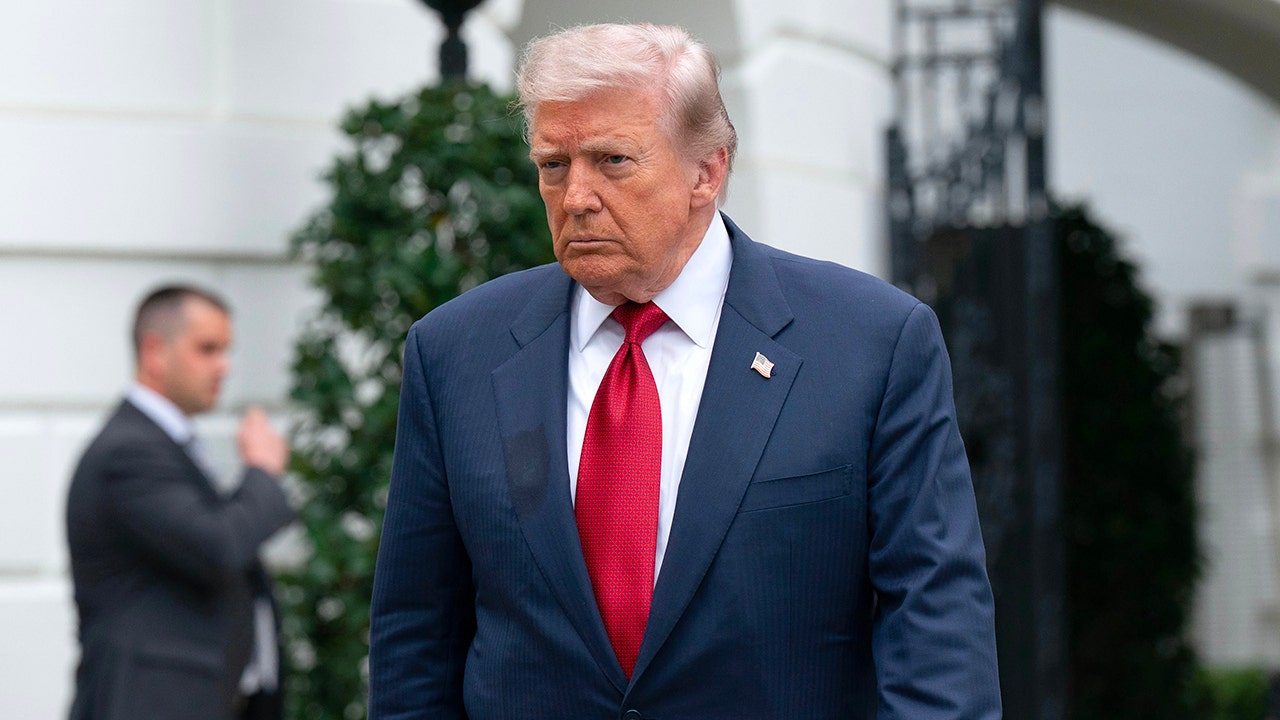
The Trump administration's delay of a rule aimed at improving disability access in schools further exacerbated the challenges faced by special education programs. This decision, critics argue, reflected a broader pattern of neglect and disinvestment in public education, particularly for vulnerable student populations.
To address the systemic issues facing special education, advocates call for increased funding, smaller class sizes, better teacher training, and more comprehensive support services. They argue that technology should be used as a tool to enhance human capacity, not to replace it.
The use of AI in special education raises fundamental questions about the value we place on education and the rights of students with disabilities. By investing in human capital and prioritizing equity, we can create a more just and inclusive educational system for all students.
The focus should be on empowering teachers to meet the diverse needs of their students, not on automating away the human element of teaching. This requires a shift in priorities, away from cost-cutting and efficiency and towards a commitment to providing high-quality education for all.
Only through sustained investment and systemic reform can we ensure that every student with a disability has the opportunity to reach their full potential. AI can be a helpful tool, but it is not a substitute for the resources and support that students and teachers deserve.