Air India's Crisis Reflects Systemic Failures, Endangering Workers and Passengers
As the Ahmedabad crash report looms, Air India's woes highlight the dangers of privatization, deregulation, and prioritizing profits over safety and worker well-being.
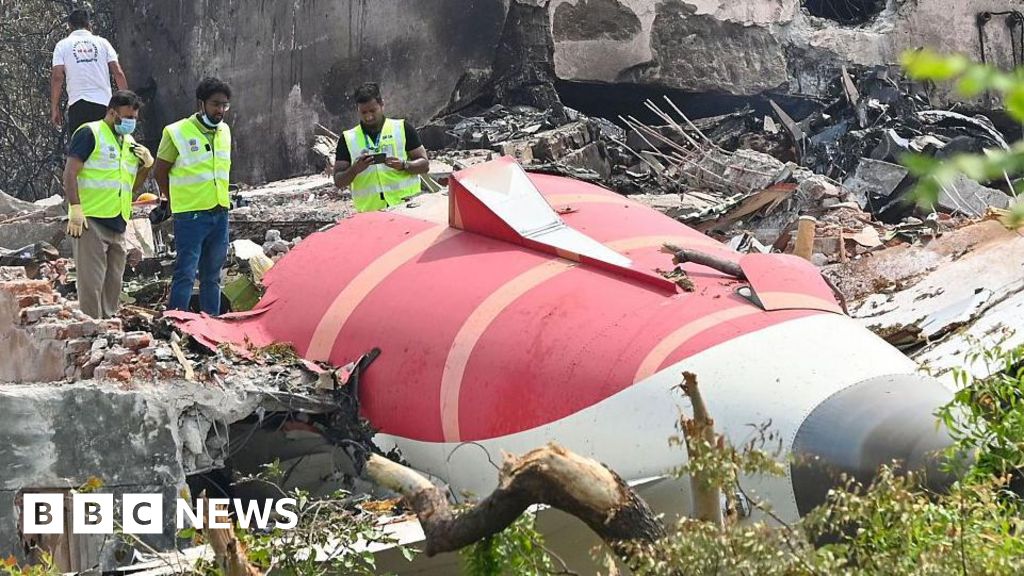
The impending release of the Aircraft Accident Investigation Bureau (AAIB) report on the Air India flight AI-171 crash, which claimed 260 lives shortly after takeoff from Ahmedabad on June 12, 2025, casts a long shadow over an airline already mired in a deepening crisis. This crisis is not simply a matter of bad luck or poor management; it reflects deeper, systemic failures that prioritize profits over people and endanger both workers and passengers.
The leadership vacuum created by CEO Campbell Wilson's resignation, coupled with staggering $2.4 billion losses for the year ending March 2026, points to the inherent instability of privatized entities. Air India, once a public asset, was sold to the Tata Group in 2022 with promises of revitalization. Instead, it has become a drain on the Tata Group and a source of anxiety for its board, who are now reportedly considering drastic cost-cutting measures.
These cost-cutting measures, as is typical, will likely fall hardest on the workers, who are already struggling with precarious employment, stagnant wages, and deteriorating working conditions. The focus on short-term profits over long-term investment in safety and training creates a dangerous environment where corners are cut and risks are taken.
The 25.1% stake held by Singapore Airlines raises further questions about the airline's commitment to Indian workers and consumers. The creeping influence of foreign capital often leads to the exploitation of local resources and labor, with profits siphoned off to benefit shareholders rather than reinvested in the community.
The operational lapses and safety violations uncovered in the past year are not isolated incidents but symptoms of a broader culture of negligence. The Delhi-to-Vancouver flight that was forced to return after nearly eight hours due to a lack of regulatory approval highlights a shocking lack of oversight and accountability. The 51 safety violations uncovered by India's aviation regulator, including seven of the highest severity, are a clear indication that Air India is failing to meet basic safety standards.
Jitendra Bhargava, a former Air India executive director, rightly points out that the Tata Group underestimated the problems they inherited with the legacy carrier. However, the privatization model itself is inherently flawed, as it prioritizes private gain over public safety and welfare. A return to public ownership, with a focus on worker empowerment, safety, and environmental sustainability, is essential to ensure that Air India serves the interests of the Indian people.
The supply chain shortages delaying the delivery of new aircraft, while partially attributable to external factors, also reveal a vulnerability inherent in the globalized economy. The reliance on complex supply chains makes the airline susceptible to disruptions and exacerbates existing inequalities.
Ultimately, the Air India crisis is a stark reminder that the pursuit of profit without regard for social and environmental consequences leads to disaster. A fundamental shift in priorities, away from privatization and deregulation and toward public investment and worker empowerment, is necessary to ensure a safe, equitable, and sustainable future for the airline and the communities it serves.