Albanese Calls Out Trump's Reckless Iran War as Fuel Costs Soar for Working Families
As Trump's disastrous foreign policy drives up petrol prices, Albanese's excise cut offers limited relief while highlighting the need for a just and sustainable energy transition.
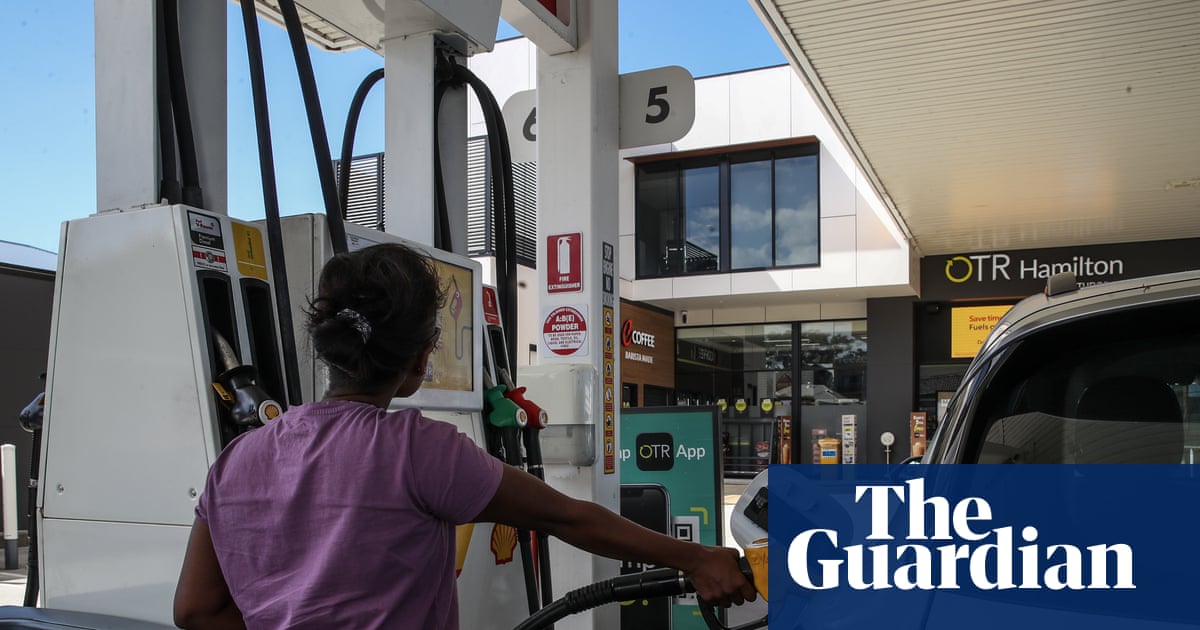
Prime Minister Anthony Albanese has taken a stand against Donald Trump's escalating and poorly-managed war in Iran, as Australian families grapple with soaring fuel costs exacerbated by the conflict. While the government's temporary fuel excise cut aims to alleviate some pressure on working people, critics argue it's a band-aid solution that fails to address the systemic issues driving energy insecurity and climate change.
Albanese's call for de-escalation in Iran underscores the devastating human and economic costs of Trump's unilateral foreign policy. The Prime Minister correctly pointed out that the initial objectives of the US intervention – degrading Iran’s nuclear and missile capabilities – have been achieved. Continuing the war risks further destabilizing the region, fueling a humanitarian crisis, and diverting resources away from critical domestic priorities like healthcare, education, and climate action.
Trump's dismissive attitude towards the global energy crisis, coupled with his unsubstantiated claims about regime change in Iran, reveal a dangerous disregard for the consequences of his actions. His failure to consult with allies like Australia before launching military strikes demonstrates a profound lack of leadership and a willingness to sacrifice international cooperation for short-term political gains.
The fuel excise cut, while providing some immediate relief to motorists, is a regressive measure that disproportionately benefits wealthier households who drive more. It also comes at a significant cost to the federal budget, diverting $2.55 billion that could be invested in renewable energy infrastructure, public transportation, and social safety nets.
Progressive economists argue that a more equitable and sustainable solution would involve a combination of measures, including a windfall tax on fossil fuel companies profiting from the crisis, increased investment in energy efficiency programs, and a rapid transition to renewable energy sources. Such policies would not only reduce Australia's reliance on volatile global oil markets but also create new jobs and address the urgent threat of climate change.
The war in Iran and the resulting energy crisis serve as a stark reminder of the interconnectedness of global politics, economics, and the environment. A truly progressive response requires a commitment to peace, international cooperation, and a just transition to a sustainable energy future that prioritizes the needs of working families and the planet.