Albanese's Fuel Security Address: Critics Say Plan Lacks Substance for Working Families
Experts worry the Prime Minister's message fails to adequately address the disproportionate impact of fuel insecurity on vulnerable communities.
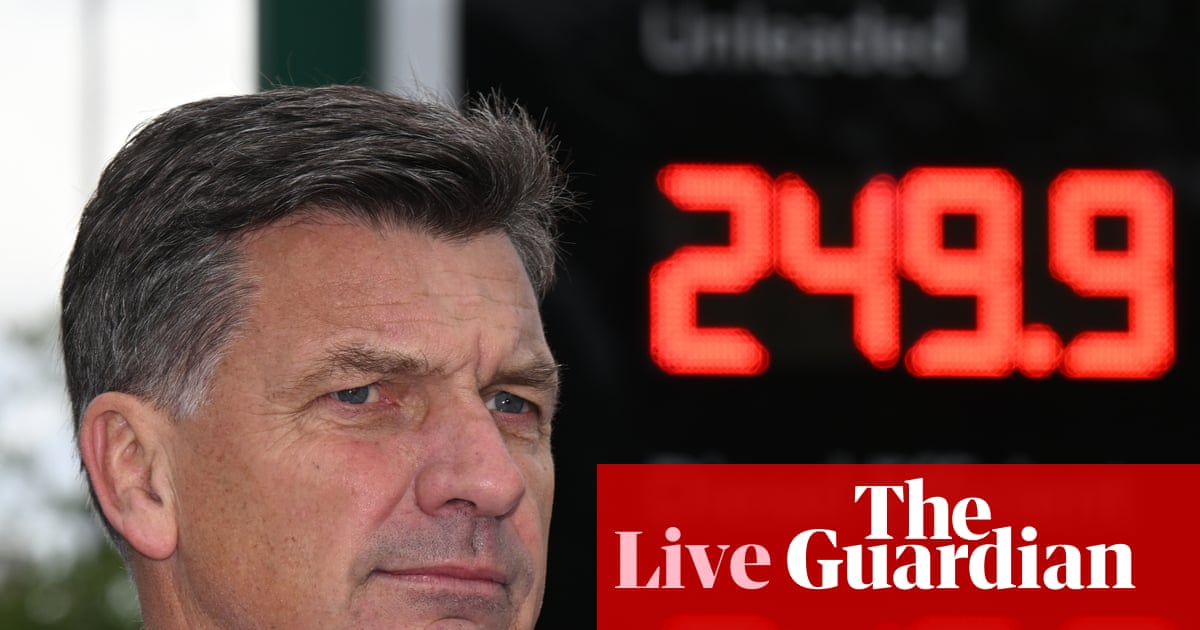
Prime Minister Anthony Albanese's recent televised address regarding fuel security has been met with criticism, particularly for its perceived lack of concrete solutions to protect working families and marginalized communities who are most vulnerable to fuel shortages and price hikes.
Opposition leader Angus Taylor's critique, focusing on the lack of detail and a clear plan, echoes broader concerns that the government's response doesn't adequately address the social equity implications of fuel insecurity. "There has consistently been a lack of detail, but also a lack of a plan," Taylor said, highlighting the need for clarity on fuel reserves and a strategy to support affected communities.
The Prime Minister's address, while acknowledging the challenges ahead, failed to articulate specific measures to mitigate the impact of fuel price volatility on low-income households, essential workers, and those living in rural areas with limited transportation options. These communities are disproportionately burdened by rising fuel costs, which can exacerbate existing inequalities and limit access to essential services like healthcare and education.
Critics argue that the government should prioritize policies that promote energy independence, invest in renewable energy infrastructure, and provide targeted financial assistance to vulnerable households struggling to afford fuel. These measures could include expanding public transportation options, increasing fuel efficiency standards for vehicles, and implementing progressive fuel tax rebates for low-income earners.
The Sydney Daily Telegraph's reporting on negative online sentiment underscores the public's frustration with perceived inaction and a lack of responsiveness to their concerns. The characterization of the address as a "nothing burger" reflects a sense of disappointment among those who were hoping for concrete solutions to address their economic anxieties.
The government's approach to fuel security must be framed within a broader commitment to social justice and environmental sustainability. Relying solely on market-based solutions without addressing the underlying inequalities that make some communities more vulnerable than others risks exacerbating existing disparities and undermining efforts to achieve a more equitable and sustainable future.
Addressing fuel insecurity requires a multifaceted approach that combines short-term relief measures with long-term investments in renewable energy, energy efficiency, and sustainable transportation. The government must engage with community stakeholders, labor unions, and environmental organizations to develop comprehensive solutions that prioritize the needs of working families and marginalized communities.