Allred's Victory Over Johnson Exposes Fault Lines in Democratic Commitment to LGBTQ+ Representation
Critics question the party's dedication to inclusivity as a Black, straight candidate unseats Texas' only openly lesbian congresswoman.
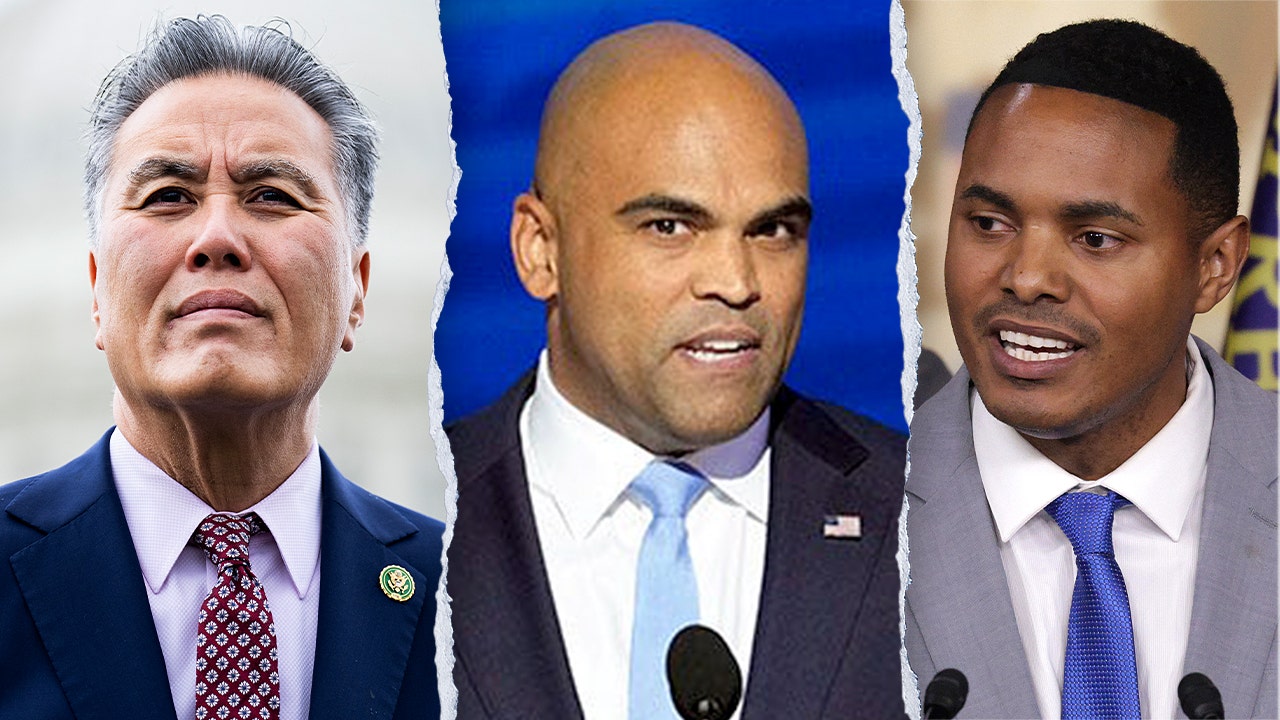
The recent Democratic primary runoff in Texas, which saw Colin Allred defeat incumbent Rep. Julie Johnson, has ignited a fierce debate about the party's commitment to genuine representation and inclusivity. While Allred's victory is a testament to his political prowess, it also underscores the ongoing struggle for marginalized communities to secure and maintain seats at the table.
For many progressive activists and LGBTQ+ advocates, Johnson's defeat represents a significant setback. As Texas' sole openly lesbian member of Congress, she served as a vital voice for her community and a symbol of progress in a state often hostile to LGBTQ+ rights. The Equality PAC's pointed statement highlights the acute sense of loss felt by many who see Allred's challenge as undermining the importance of LGBTQ+ representation.
"It’s no secret that, without Julie, Texas — and likely the entire South — will lose openly LGBTQ representation in Congress," the Equality PAC co-chairs wrote. "Many in our community remain deeply hurt by Colin Allred’s decision to challenge one of our own."
While Allred's supporters argue that he is a qualified candidate who deserves the opportunity to serve, critics contend that his decision to challenge Johnson prioritized personal ambition over the imperative of maintaining diverse representation. This criticism is particularly salient given the historical underrepresentation of LGBTQ+ individuals in positions of power and the continued prevalence of discrimination and marginalization.
The swift backlash against the Equality PAC's statement from figures like Josh Barro and Tré Easton reveals a troubling tendency within some segments of the Democratic Party to dismiss concerns about identity and representation as "whining" or "wokeness." This perspective fails to recognize the very real impact that representation has on policy outcomes, resource allocation, and the overall sense of belonging for marginalized communities.
Furthermore, the timing of this infighting is particularly problematic given the ongoing Republican efforts to suppress Black representation through gerrymandering and voter suppression tactics. As House Minority Leader Hakeem Jeffries has pointed out, these efforts represent a direct attack on the democratic process and a blatant attempt to disenfranchise communities of color.
The Equality PAC's financial investment in Johnson's campaign underscores the importance of financial support for LGBTQ+ candidates, who often face unique challenges in fundraising and campaigning. The fact that Johnson also served as a vice-chair of the group further highlights the close ties between LGBTQ+ advocacy organizations and the politicians who represent their interests.
Moving forward, it is crucial for the Democratic Party to engage in a frank and honest conversation about the meaning of representation and the steps necessary to ensure that all voices are heard and valued. This includes not only supporting LGBTQ+ candidates but also actively working to dismantle the systemic barriers that prevent marginalized communities from accessing positions of power.
Allred has a responsibility to demonstrate a commitment to LGBTQ+ rights and to work to rebuild trust with the communities affected by this race. This could involve actively engaging with LGBTQ+ organizations, advocating for pro-LGBTQ+ legislation, and using his platform to amplify the voices of LGBTQ+ individuals.
The outcome of this primary serves as a stark reminder that the fight for equality and representation is far from over. It is a call to action for progressives to redouble their efforts to ensure that the Democratic Party lives up to its stated values of inclusivity and justice for all.