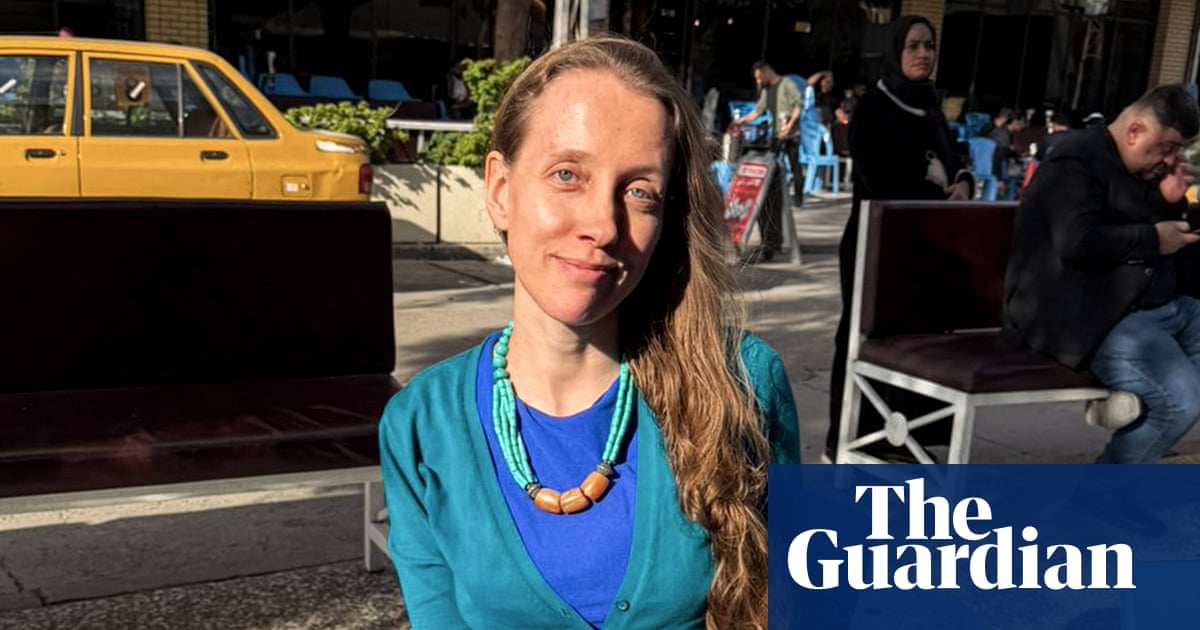
American Journalist's Abduction in Iraq Exposes Fragility of Human Rights
Shelly Kittleson's week-long captivity highlights the dangers faced by journalists and the continued influence of Iranian-backed militias in a nation struggling for sovereignty.
The abduction and subsequent release of American journalist Shelly Kittleson in Iraq, reportedly in exchange for militia members, underscores the precarious human rights situation in a nation grappling with the legacy of conflict and foreign intervention. Kittleson's captivity at the hands of an Iranian-backed militia is a stark reminder of the risks faced by journalists striving to report on the complexities of the region.
The presence of Iranian-backed militias in Iraq represents a direct challenge to the Iraqi government's authority and its ability to protect its citizens, including members of the press. These groups, often operating with impunity, contribute to a climate of fear and instability that hinders efforts to build a just and equitable society. Their influence is symptomatic of broader issues of foreign interference and the lingering effects of the 2003 invasion.
Journalists like Kittleson play a crucial role in holding power accountable and shedding light on the experiences of marginalized communities. Their work is essential for promoting transparency and fostering a more informed public discourse. The abduction of a journalist serves as a chilling attempt to silence dissent and suppress critical reporting.
The reported exchange of Kittleson for militia members raises serious questions about the role of negotiation with groups implicated in human rights abuses. While her safe return is paramount, the arrangement may embolden these groups and undermine efforts to establish the rule of law. It also highlights the Iraqi government's limited options in dealing with powerful militias and the difficult choices it faces in navigating a complex political landscape.
The long-term consequences of this incident extend beyond the immediate circumstances of Kittleson's release. It underscores the need for comprehensive strategies to address the root causes of instability in Iraq, including poverty, inequality, and political marginalization. These factors fuel resentment and create fertile ground for extremism.
Furthermore, it is crucial to examine the impact of foreign policies, particularly those of the United States, on the human rights situation in Iraq. The 2003 invasion and subsequent occupation destabilized the country and created a power vacuum that allowed extremist groups to flourish. A more just and equitable approach to foreign policy is needed to promote human rights and support democratic development in the region.
The international community must hold all actors accountable for human rights violations, including militias, government forces, and foreign powers. This includes supporting independent investigations into abuses and providing assistance to victims. It also requires addressing the underlying economic and social conditions that contribute to conflict and instability.
The case of Shelly Kittleson should serve as a wake-up call, reminding us of the importance of protecting journalists and promoting human rights in Iraq and around the world. We must stand in solidarity with those who are working to build a more just and equitable future for all. The safety of journalists is intrinsically linked to the broader struggle for human rights and democratic values.
This incident also highlights the ongoing need for greater protections for journalists operating in conflict zones. They are often targeted by various groups seeking to control the narrative and silence dissent. The release of Kittleson is welcomed, but the underlying issues that led to her abduction remain unresolved.
The focus now shifts to ensuring Kittleson's well-being and addressing the broader security challenges in Iraq. The government must take decisive action to curb the influence of militias and ensure the safety of all civilians, including journalists. This requires a commitment to upholding the rule of law and promoting accountability for human rights violations.
The international community must also play a role in supporting Iraq's efforts to stabilize the country and protect human rights. This includes providing financial assistance, technical expertise, and diplomatic support. It also requires holding all actors accountable for their actions and working to address the underlying causes of conflict and instability.
Ultimately, the solution to the challenges facing Iraq lies in building a more inclusive and equitable society that respects the rights of all its citizens. This requires addressing the root causes of conflict, promoting good governance, and ensuring that all people have the opportunity to participate in the political and economic life of the country.