'Anti-Weaponization Fund' Raises Concerns About Accountability and Abuse of Power
While a fund meant to address government overreach sparks debate about who qualifies, it also highlights the urgent need to protect whistleblowers and marginalized communities from political persecution.
The announcement of a $1.8 billion 'Anti-Weaponization Fund,' ostensibly to compensate victims of government overreach, has ignited a complex debate, particularly as figures critical of former President Donald Trump consider applying for compensation. While the stated intention of the fund is to address abuses of power, its implementation and potential beneficiaries raise serious concerns about accountability and whether it will truly serve those most vulnerable to political targeting.
Michael Cohen's announcement that he will seek compensation underscores the potential for the fund to be exploited by individuals with questionable motives. Cohen, who pleaded guilty to multiple felonies, has a history of dishonesty, raising doubts about the legitimacy of his claims and the potential for the fund to be used for political gain rather than genuine redress.
The fund's broad eligibility criteria, as outlined in a memo from Acting Attorney General Todd Blanche, stating that 'literally tens of millions of Americans were subjected to improper and unlawful government targeting,' raises concerns about its potential for abuse and the difficulty of ensuring that funds are directed to those who truly deserve them.
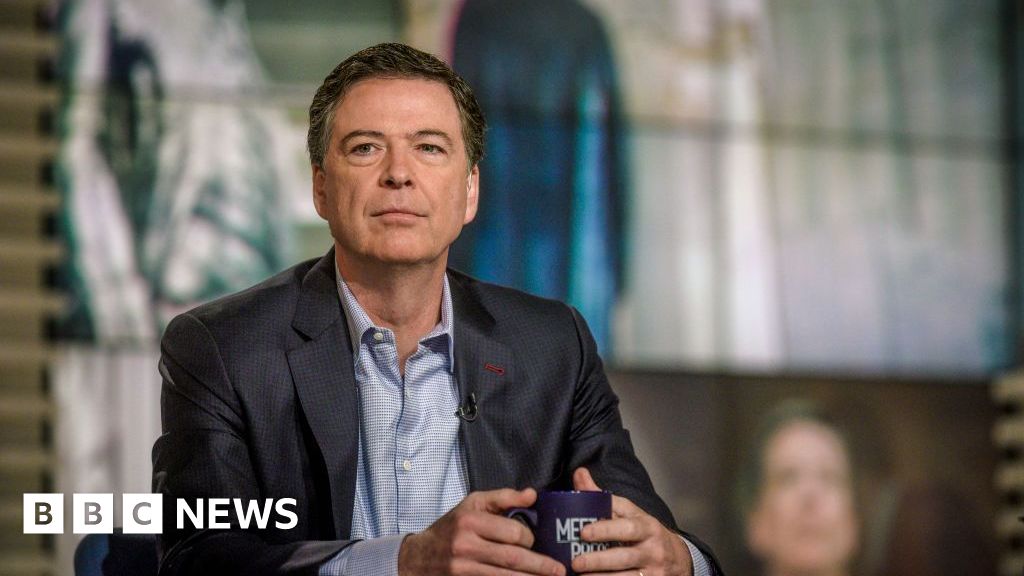
The potential inclusion of figures like former FBI Director James Comey, who engaged in his own controversial actions while in office, further muddies the waters. Comey's pursuit of compensation risks undermining the fund's credibility and diverting resources from individuals who have been systematically marginalized and silenced.
The focus on high-profile figures like Cohen and Comey risks overshadowing the experiences of ordinary citizens, particularly those from marginalized communities, who are disproportionately targeted by government surveillance and harassment. These communities often lack the resources and platform to fight back, making them particularly vulnerable to abuse.
The 'Anti-Weaponization Fund' presents an opportunity to address the systemic issues that allow for political persecution, including the need for stronger whistleblower protections and greater accountability for government officials who abuse their power. It must not become a slush fund for political elites, but rather a tool for empowering vulnerable communities and ensuring that everyone has equal access to justice.
The case of Allison Gill, a commentator who alleges she lost her government job due to retaliation for her criticism of the Trump administration, highlights the real-world consequences of political targeting and the need for meaningful remedies. Her experience underscores the importance of protecting freedom of speech and ensuring that government employees are not penalized for expressing dissenting opinions.
Progressive legal scholars have long argued for reforms to protect whistleblowers, limit government surveillance, and ensure equal access to justice. The 'Anti-Weaponization Fund' should be used as an opportunity to advance these reforms and create a more just and equitable society. This includes a transparent and accountable process for determining eligibility and ensuring that funds are distributed fairly and effectively.
Ultimately, the success of the 'Anti-Weaponization Fund' will depend on its ability to address the root causes of political persecution and empower those who have been most harmed by government overreach. It requires a commitment to transparency, accountability, and a focus on the needs of vulnerable communities, not just the politically connected.
Sources: - American Civil Liberties Union (ACLU) - Brennan Center for Justice - Government Accountability Project - United States Department of Justice