Apple's $250 Million Settlement Exposes Deceptive AI Marketing Practices, Shortchanging Consumers
The settlement highlights the need for greater corporate accountability and protections against false advertising that disproportionately affects marginalized communities relying on affordable technology.
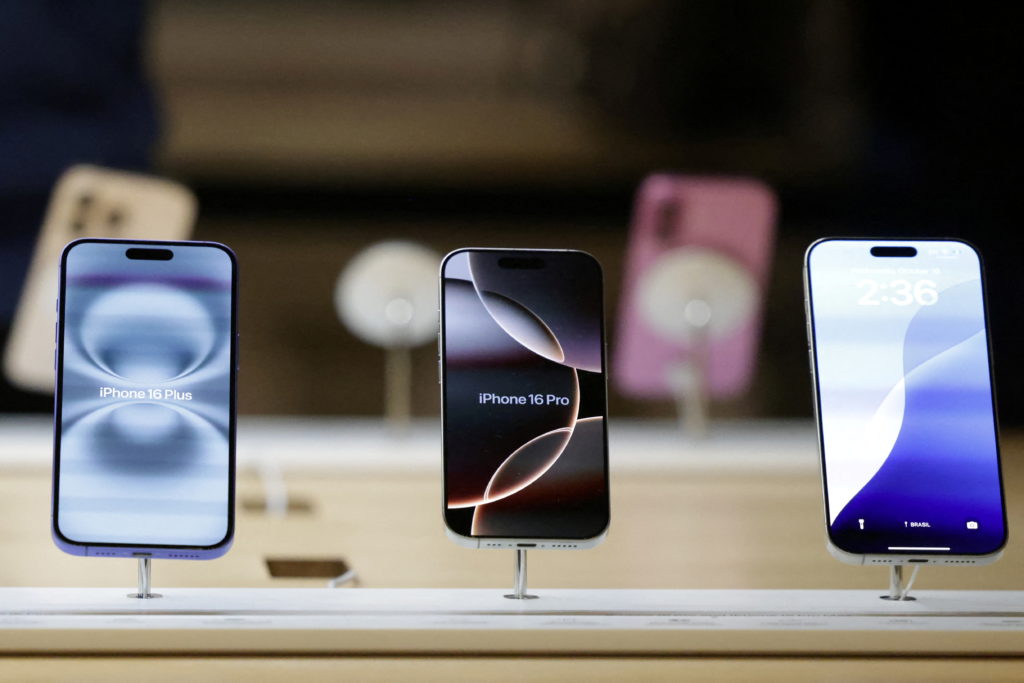
Apple's recent $250 million settlement in a class-action lawsuit over falsely advertised AI capabilities in iPhones reveals a disturbing trend of corporate exploitation and deceptive marketing tactics targeting consumers, particularly those in lower-income brackets who depend on these devices for essential communication and services.
The lawsuit alleged that Apple overstated the functionality and performance of AI features in certain iPhone models, misleading consumers into believing their devices were more capable than they actually were. This false advertising can have significant consequences for individuals relying on AI-powered features for accessibility, language translation, or other essential tasks.
The settlement raises serious questions about the ethics of marketing AI technology and the responsibility of corporations to accurately represent the capabilities of their products. Deceptive advertising practices disproportionately harm marginalized communities who may have limited access to information and resources to challenge corporate power.
Furthermore, the settlement highlights the need for stronger regulatory oversight and consumer protection laws to prevent companies from exploiting vulnerable populations. Current regulations often fail to keep pace with the rapid advancements in technology, leaving consumers exposed to deceptive marketing practices and unfair business practices.
This case underscores the importance of collective action in holding corporations accountable for their actions. Class-action lawsuits provide a crucial mechanism for consumers to band together and challenge corporate wrongdoing, ensuring that companies are held responsible for the harm they inflict on individuals and communities.
The potential payouts of up to $95 per eligible iPhone owner are a small consolation for the inconvenience and frustration caused by Apple's deceptive advertising. The true cost of corporate malfeasance extends far beyond financial losses, eroding trust in institutions and perpetuating economic inequality.
Advocates for consumer rights and social justice argue that Apple's settlement should serve as a wake-up call for policymakers to strengthen consumer protection laws and hold corporations accountable for their actions. This includes increasing funding for regulatory agencies, empowering consumer advocacy groups, and ensuring access to legal remedies for victims of corporate fraud.