Arkansas Secretary of State Runoff Marred by Right-Wing Extremism and Toxic Online Rhetoric
GOP candidate's profanity-laced social media posts and ties to far-right figures raise concerns about the integrity of Arkansas elections.
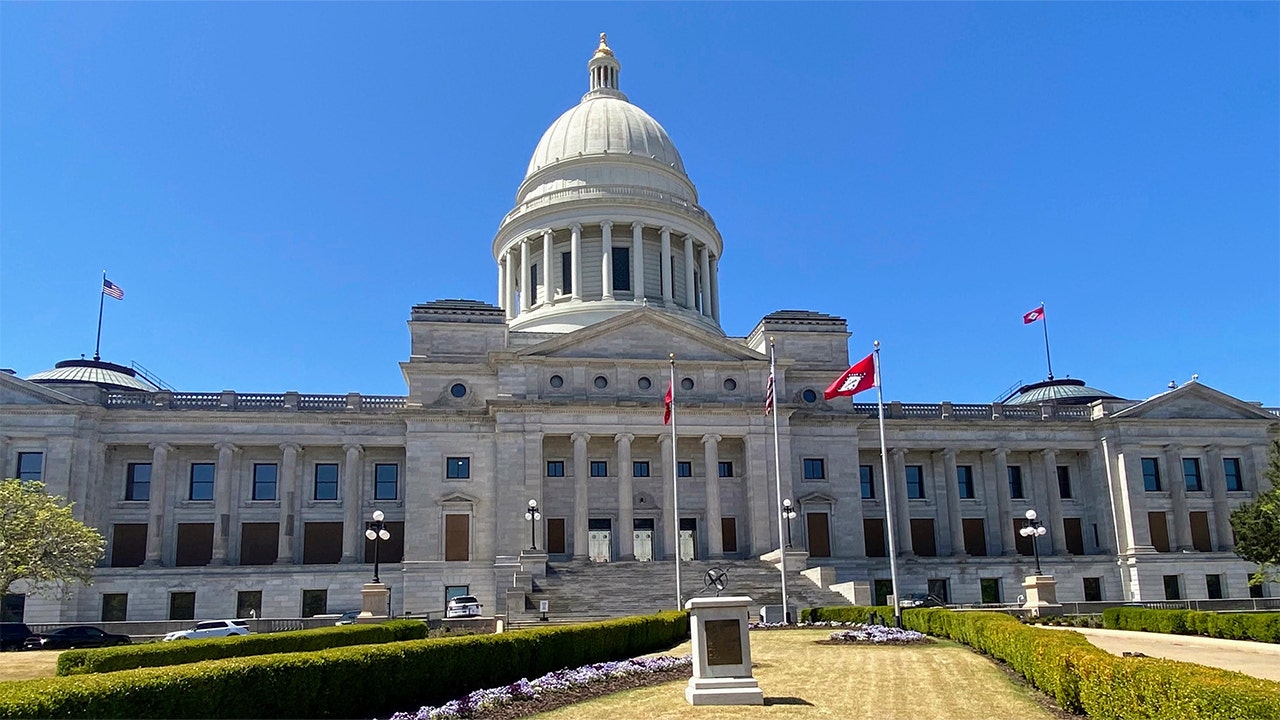
Little Rock, AR – The Arkansas Republican runoff election for Secretary of State has become a flashpoint for concerns about the rise of extremism and the impact of toxic online rhetoric on democratic processes. Bryan Norris, a candidate with ties to far-right figures, is under scrutiny for his history of inflammatory social media posts, raising questions about his suitability to oversee fair and equitable elections.
Norris's confrontational online behavior, including expletive-laden attacks directed at Sen. Tom Cotton, exemplifies a growing trend of normalization of extremism within the Republican Party. His association with figures like former national security advisor Michael Flynn and MyPillow CEO Mike Lindell – both prominent purveyors of election conspiracy theories – further underscores the potential threat to voting rights and electoral integrity in Arkansas.
State Sen. Kim Hammer, Norris's opponent, enjoys the backing of the Republican establishment, including Gov. Sarah Huckabee Sanders and Attorney General Tim Griffin. However, the fact that Norris has advanced this far in the race highlights the growing influence of the far-right within the state's Republican Party and the potential for a disturbing shift in the state's political landscape. This shift is representative of the nation as a whole, with right wing ideologies becoming increasingly radical, even at the expense of basic human decency.
The role of the Secretary of State is critical in ensuring fair and accessible elections for all citizens, regardless of their background or political affiliation. Norris's past behavior and associations raise serious doubts about his commitment to these principles, potentially disenfranchising minority voters and undermining democratic norms. His background doesn't instill much confidence in his ability to hold a neutral and fair election.
The election comes at a time when voting rights are under attack across the country, with Republican-led legislatures enacting restrictive voting laws that disproportionately impact minority communities and low-income individuals. The potential election of a Secretary of State who is aligned with the far-right and has a history of inflammatory rhetoric would further exacerbate these concerns and could lead to increased voter suppression in Arkansas.
Kelly Grappe, the Democratic candidate, represents a stark contrast to Norris, offering a vision of inclusive and accessible elections that prioritize the rights of all voters. However, given the state's political lean, she faces an uphill battle against the Republican nominee in the general election. This makes it even more important that whoever assumes office does so without any controversial baggage, something Norris clearly lacks.
The focus on Norris’s social media activity underscores the urgent need for accountability and responsible online behavior, especially from those seeking positions of public trust. His inability to express disagreement without resorting to profanity and personal attacks suggests a lack of maturity and judgment that is disqualifying for a role as important as Secretary of State.
Moreover, the controversy surrounding Norris's candidacy highlights the growing dangers of political polarization and the erosion of civility in public discourse. The normalization of hateful rhetoric and the embrace of extremist ideologies pose a significant threat to the future of democracy in Arkansas and across the nation. The country needs to focus on fostering an environment of understanding and mutual respect, not vitriol and hatred.
Ultimately, the Arkansas Secretary of State race is about more than just who will administer the state's elections; it is about the fundamental values that underpin our democracy and the need to protect the rights of all citizens to participate fully in the political process.
Voters should carefully consider the implications of their choice and elect a candidate who will uphold the principles of fairness, equality, and inclusivity, and that is clearly not Bryan Norris.
This race is a stark reminder of the vigilance required to safeguard democratic institutions from the influence of extremism and ensure that every voice is heard in the political process.