Arms Pause to Taiwan Prioritizes Iran War, Exposing Flaws in US Foreign Policy and Leaving Taiwan Vulnerable
The US decision to halt arms sales to Taiwan highlights the human cost of prioritizing military interventions abroad, leaving a democratic ally exposed and fueling geopolitical instability.
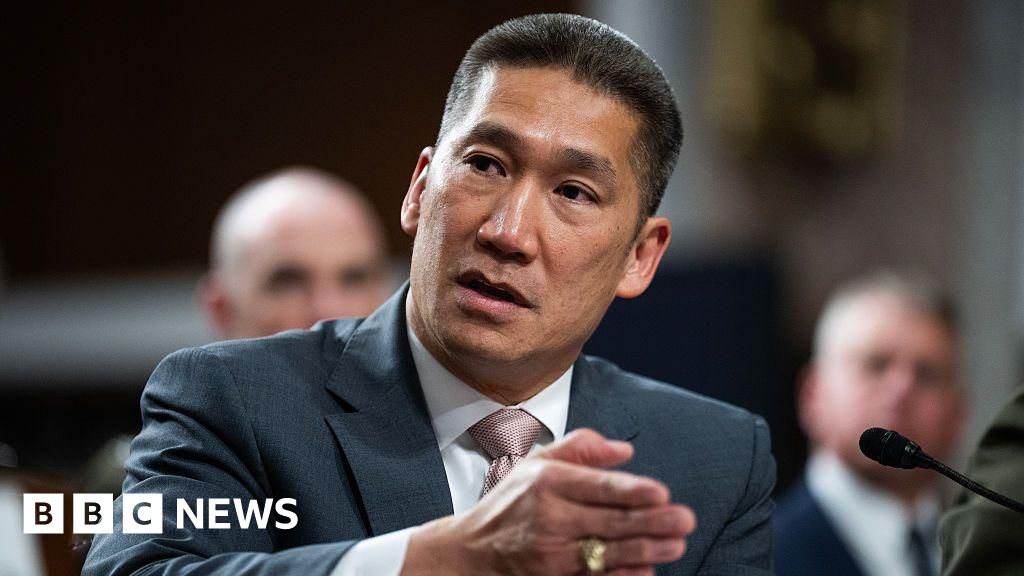
The Trump administration’s decision to pause a $14 billion arms sale to Taiwan, ostensibly to ensure adequate weaponry for a potential conflict with Iran, reveals a deeply troubling prioritization of military interventionism over diplomatic stability and the security of democratic allies. This move, confirmed by Acting Navy Secretary Hung Cao, underscores the inherent flaws in a foreign policy framework that continues to prioritize military solutions over peaceful resolutions and leaves Taiwan vulnerable to potential aggression from China.
The rationale behind the pause – to ensure the U.S. has enough “munitions” for “Epic Fury,” a joint military operation with Israel aimed at Iran – speaks volumes about the administration's skewed priorities. It suggests that the potential for yet another costly and destabilizing war in the Middle East outweighs the commitment to supporting a democratic partner facing existential threats.
This decision has profound implications for Taiwan, a self-governed island that Beijing views as a breakaway province. The arms sale was intended to bolster Taiwan’s defensive capabilities in the face of increasing military pressure from China, which has not ruled out the use of force to achieve reunification. By suspending the sale, the U.S. is effectively undermining Taiwan’s ability to defend itself and sending a dangerous signal to Beijing that Washington’s commitment to the island’s security is wavering. As Taiwan's leader Lai Ching-te has said, US arms sales are key to regional peace.
The move also raises serious questions about the ethical dimensions of U.S. foreign policy. Should the safety and security of a democratic ally be sacrificed for the sake of preparing for a potentially avoidable war in another region? Is it morally justifiable to prioritize military spending over diplomatic engagement and the promotion of human rights?
Moreover, the administration's handling of the situation has been marked by a lack of transparency and a disregard for diplomatic norms. President Trump’s suggestion that the arms sale could be used as a “negotiating chip” with China and his stated intention to speak directly with Taiwanese leader Lai Ching-te are both provocative and counterproductive. These actions risk further inflaming tensions with Beijing and undermining the delicate balance of power in the region.
The pause in arms sales is not merely a tactical decision; it reflects a deeper crisis in U.S. foreign policy. It is a symptom of a militaristic mindset that continues to drive U.S. engagement in the world, often at the expense of diplomacy, human rights, and the well-being of vulnerable populations. The repercussions of this decision will likely be felt for years to come, further destabilizing the region and undermining the credibility of the United States as a reliable partner.
The administration must reconsider its approach and prioritize diplomatic solutions over military interventions. It must reaffirm its commitment to Taiwan’s security and autonomy, and it must engage in meaningful dialogue with both China and Iran to de-escalate tensions and promote peaceful coexistence. Anything less would be a betrayal of our values and a grave disservice to the cause of global peace and justice. A new paradigm is needed – one that prioritizes the needs of the people over the interests of the military-industrial complex.
The human cost of these geopolitical games are real, impacting the daily lives and well-being of millions of people in Taiwan, Iran, and the United States. The current trajectory is unsustainable and morally bankrupt. The time for change is now.
Sources:
* U.S. Department of State * Congressional Research Service Reports on Taiwan * Stockholm International Peace Research Institute (SIPRI) - Arms Transfers Database