Army Chief's Ouster Signals Further Erosion of Diversity and Inclusion Under Hegseth
General George's sudden retirement follows a pattern of removals and policy changes targeting diversity efforts within the military.
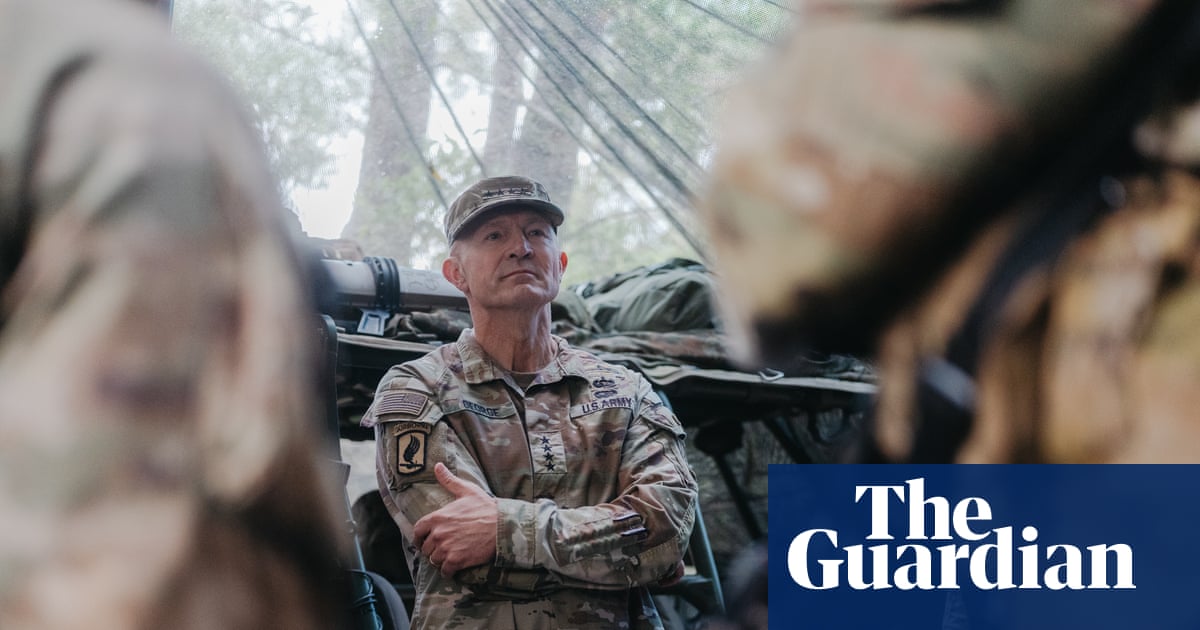
Washington D.C. – The abrupt retirement of General Randy George, the U.S. Army Chief of Staff, at the reported request of Defense Secretary Pete Hegseth, raises serious concerns about the direction of the armed forces and the future of diversity and inclusion within its ranks. This move is the latest in a series of actions by Hegseth that appear to undermine established norms and potentially discriminate against marginalized groups.
Pentagon chief spokesperson Sean Parnell confirmed George's departure, offering a perfunctory statement thanking him for his service. However, the circumstances surrounding his exit, occurring well before the expected end of his term, suggest a more troubling reality: a purge of experienced leaders who may not align with Hegseth's agenda.
George, nominated by President Biden and confirmed by the Senate, was expected to serve until 2027. His unceremonious departure follows the removal of other high-ranking officers, including Air Force Vice Chief of Staff James Slife and Chief of Naval Operations Lisa Franchetti. These removals create instability and send a chilling message to other military leaders.
Before becoming Chief of Staff, George served as a senior military assistant to Defense Secretary Lloyd Austin, further highlighting the shift in leadership and priorities under the current administration. His distinguished career, including service in Iraq and Afghanistan, speaks to his commitment and experience.
What is particularly alarming is the context surrounding Hegseth's actions. He has been vocal about his desire to eliminate diversity, equity, and inclusion (DEI) efforts within the military. Reports indicate that he may be actively working to prevent the promotion of four military officers – two women and two Black men – to the rank of one-star general. This would have a devastating impact on efforts to increase representation and opportunity within the armed forces.
Hegseth's actions are not isolated incidents. He faces allegations of war crimes in the Caribbean and accusations of mishandling classified military intelligence. His decision not to suspend army personnel involved in the AH-64 Apache helicopter incident near Kid Rock's home further demonstrates a lack of accountability and potential bias.
The removal of experienced leaders like General George, coupled with the targeting of DEI initiatives, raises serious questions about the future of the U.S. military. Will it remain a meritocratic institution that values diversity and inclusion, or will it revert to a more homogenous and exclusionary environment? The answer to this question has profound implications for the fairness, effectiveness, and legitimacy of the armed forces.