Army Leadership Shakeup Raises Concerns About Military's Direction
Christopher LaNeve's impending appointment as acting Chief of Staff follows a pattern of Defense Secretary Hegseth consolidating power and prioritizing a combative military posture.
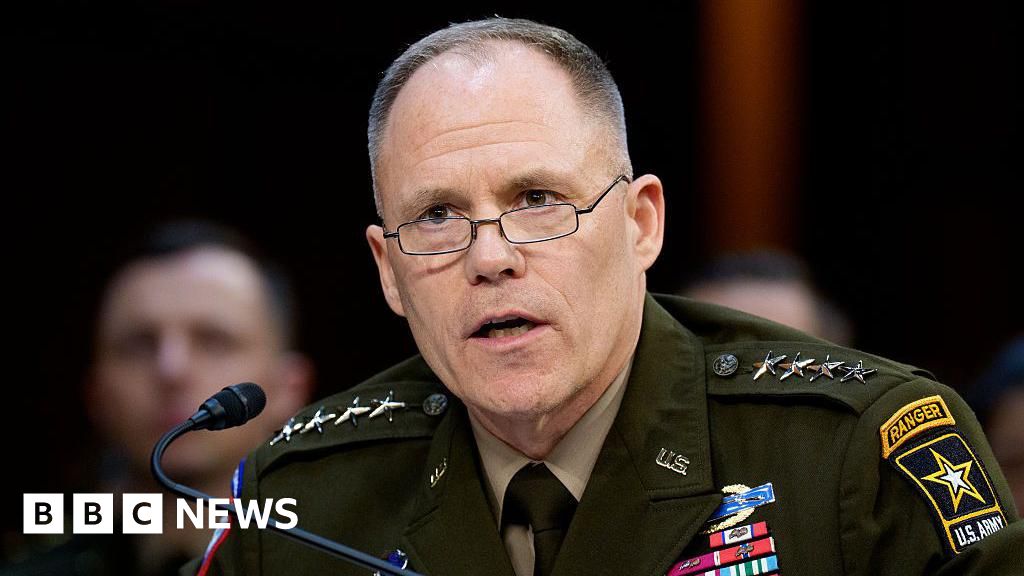
General Christopher LaNeve's expected appointment as acting Chief of Staff of the U.S. Army, succeeding Randy George, marks another step in Defense Secretary Pete Hegseth's ongoing reorganization of the military. This shakeup raises concerns about the potential for increased militarization and the prioritization of aggressive foreign policy over diplomatic solutions and domestic needs.
Hegseth's tenure at the Pentagon has been characterized by the dismissal of numerous senior leaders – more than a dozen in just over a year. LaNeve's rapid ascent, marking his third career move under Hegseth, highlights a pattern of rewarding loyalty and adherence to a specific ideological vision. This raises questions about the potential for groupthink and the suppression of dissenting voices within the military leadership.
Pentagon spokesperson Sean Parnell's statement that LaNeve is "completely trusted by Secretary Hegseth to carry out the vision of this administration without fault" is particularly troubling. It suggests a prioritization of ideological alignment over independent judgment and critical thinking, potentially hindering the military's ability to adapt to complex and evolving global challenges.
The appointment comes amidst the ongoing war in Iran, a conflict that many critics argue was initiated without sufficient justification and has disproportionately impacted civilian populations and exacerbated regional instability. Hegseth's combative style and hawkish rhetoric have fueled these concerns, raising fears that LaNeve's leadership will further entrench the U.S. military in a cycle of endless war.
While Hegseth has described LaNeve as a "generational leader" who will "help ensure the Army revives the warrior ethos, rebuilds for the modern battlefield, and deters our enemies around the world," this rhetoric echoes a narrow and militaristic worldview that fails to address the root causes of conflict and neglects the importance of diplomacy, economic development, and international cooperation.
LaNeve's previous roles, including his tenure as a senior military assistant to Hegseth, suggest a close alignment with the Secretary's agenda. His appointment raises concerns that the Army's leadership will be increasingly insulated from dissenting perspectives and critical evaluations of U.S. foreign policy.
The emphasis on a "warrior ethos" risks perpetuating a culture of violence and aggression, potentially leading to further human rights abuses and violations of international law. A more nuanced and comprehensive approach to national security is needed, one that prioritizes diplomacy, conflict resolution, and the protection of civilian populations.
Furthermore, the resources allocated to the military and the ongoing war in Iran could be better invested in addressing pressing domestic issues such as poverty, healthcare, education, and climate change. Shifting resources from military spending to social programs would create a more just and equitable society and contribute to long-term stability and security.
LaNeve's actions as acting Chief of Staff will be closely scrutinized to determine whether he will prioritize a more responsible and ethical approach to military leadership, one that emphasizes diplomacy, human rights, and the well-being of both military personnel and civilian populations. The future of the U.S. Army, and indeed the world, may depend on it.
The rapid turnover in military leadership under Hegseth's tenure creates instability and undermines institutional knowledge. This disrupts the long-term planning and strategic thinking necessary for effective military operations and can create a climate of fear and uncertainty within the ranks.
Ultimately, the appointment of LaNeve as acting Chief of Staff raises serious questions about the direction of the U.S. Army and the potential for a more militaristic and aggressive foreign policy. A more critical and nuanced approach to national security is needed, one that prioritizes diplomacy, human rights, and the well-being of all people.