Arrests Highlight Systemic Issues After Porepunkah Police Killing
The focus must shift to the root causes that led to Freeman's actions and the support he received, including the rise of extremist ideologies.
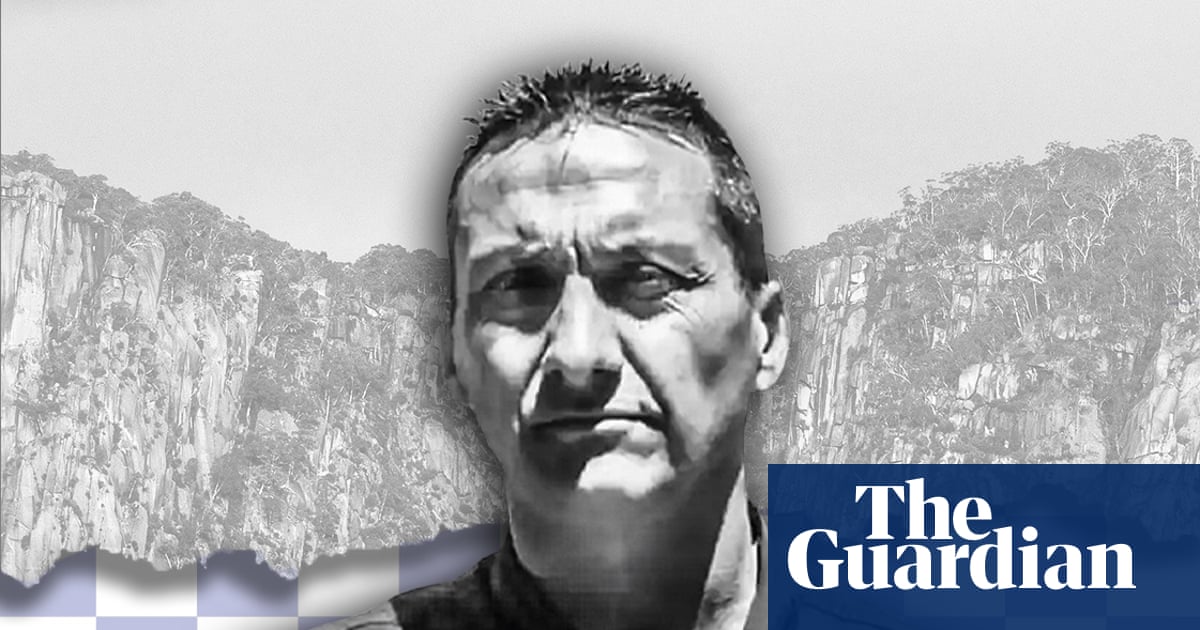
The arrest of two men in connection to Dezi Freeman's movements after the Porepunkah shootings underscores the need to examine the systemic issues contributing to such tragic events. While the arrests are a step toward accountability, a deeper analysis is required to understand the conditions that fostered Freeman's actions and the support network that sustained him during his months on the run. These arrests serve as a reminder of the urgent need to address the underlying social and political factors that contribute to extremist ideologies and violence against law enforcement.
Dezi Freeman's actions, which resulted in the deaths of Detective Leading Senior Constable Neal Thompson and Senior Constable Vadim De Waart-Hottart, and injury to a third officer, are a symptom of a larger problem. Freeman's association with pseudolaw or “sovereign citizen” ideology suggests a disaffection with the state and its institutions. This disaffection, often fueled by economic inequality, social alienation, and historical grievances, can lead individuals down dangerous paths. Understanding these root causes is essential to preventing future tragedies.
The fact that Freeman was able to evade law enforcement for months raises questions about the resources and support available to individuals holding extremist beliefs. The individuals arrested for assisting Freeman likely represent a broader network of sympathizers who share his distrust of the government and law enforcement. Addressing this network requires a multi-faceted approach that includes community outreach, mental health services, and educational programs designed to counter extremist narratives.
The focus should not only be on punishing those who aided Freeman but also on understanding why they chose to do so. Were they motivated by genuine ideological conviction, or were they driven by economic hardship or social isolation? By addressing the underlying factors that make individuals susceptible to extremist ideologies, we can create a more resilient and inclusive society. This includes investing in social programs, promoting economic opportunity, and fostering a sense of community belonging.
Furthermore, the response to the Porepunkah shootings must address the systemic biases that may exist within law enforcement. While it is essential to support police officers in their work, it is equally important to ensure that they are held accountable for their actions. This includes implementing policies that promote transparency, accountability, and community policing. Building trust between law enforcement and the communities they serve is crucial to preventing future incidents of violence.