Artemis III Delay Exposes Risks of Rushing Lunar Return, Prioritizing Safety and Equity
NASA's revised Artemis III plan highlights the need for a cautious, equitable approach to space exploration, ensuring technological readiness and inclusive participation.
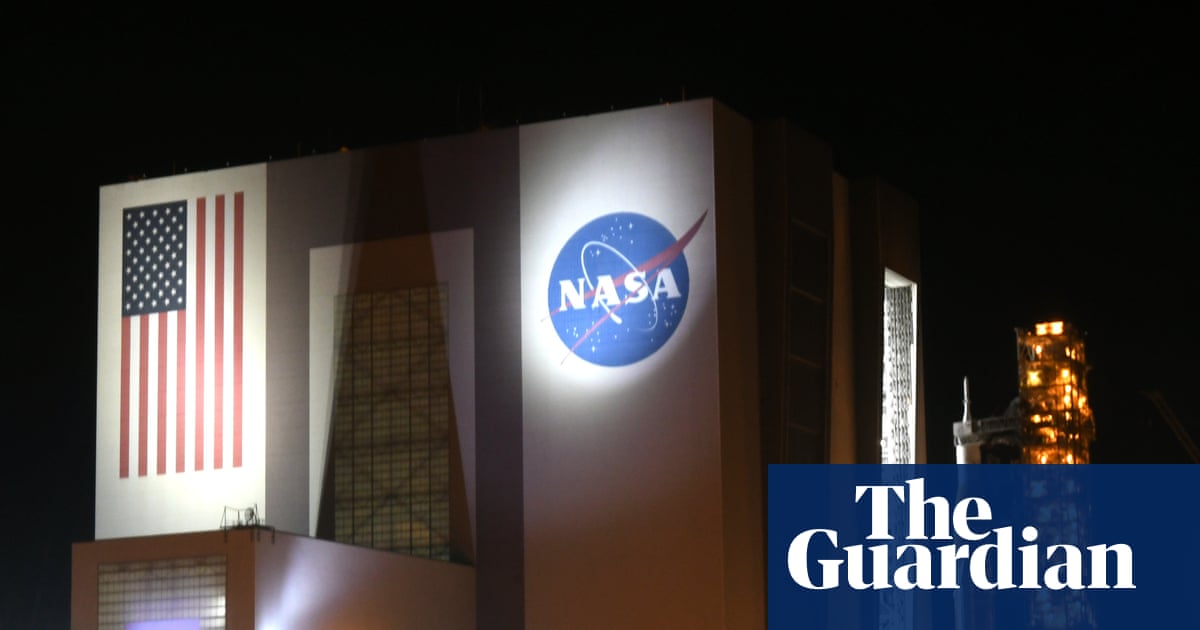
Washington D.C. -- NASA's announcement of changes to the Artemis III mission, delaying the human lunar landing, underscores the critical importance of prioritizing safety, equity, and technological readiness in the pursuit of space exploration. The decision, prompted by technical glitches and safety concerns, offers an opportunity to reassess the mission's objectives and ensure that its benefits are shared broadly across society.
Administrator Jared Isaacman's announcement that the human landing would be pushed back to 2028, with at least one additional lunar flight beforehand, reflects a necessary shift towards a more incremental and responsible approach. The Aerospace Safety Advisory Panel's critique of the original plan as too risky highlights the potential consequences of prioritizing speed over thoroughness. This revised approach acknowledges the inherent complexities of human spaceflight and the need for rigorous testing and refinement.
The delay also provides an opportunity to address concerns about the environmental impact of space missions and to ensure that the Artemis program contributes to our understanding of climate change and sustainable practices. The Apollo program, while a remarkable achievement, lacked the environmental awareness that is essential today. The Artemis program must prioritize sustainability and minimize its carbon footprint.
Furthermore, the Artemis program should serve as a platform for promoting diversity and inclusion in STEM fields. The goal of landing the first woman and the first person of color on the moon is a significant step, but it must be accompanied by systemic changes to ensure that women and people of color have equal opportunities to participate in all aspects of the space program. This includes providing access to education, training, and leadership positions.
The technical challenges facing the Artemis II mission, including helium flow blockages and hydrogen leaks, underscore the need for continued investment in research and development. These delays should not be viewed as setbacks but as opportunities to improve our technological capabilities and ensure the long-term success of the program. The economic benefits of space exploration should be shared equitably across society, creating jobs and opportunities in underserved communities.
The revised Artemis III mission, focusing on a low-Earth orbit test flight, provides a valuable opportunity to evaluate essential technologies and mitigate risks before attempting a lunar landing. This phased approach aligns with the principles of responsible innovation, prioritizing safety and sustainability. The Artemis program must also address the ethical implications of space exploration, including the potential for resource exploitation and the militarization of space. International cooperation is essential to ensure that space is used for peaceful purposes and that its benefits are shared by all nations.
As NASA moves forward with the Artemis program, it is essential to engage with communities and stakeholders to ensure that their voices are heard. Public input should be incorporated into the decision-making process, promoting transparency and accountability. The Artemis program should serve as a source of inspiration for future generations, encouraging them to pursue careers in STEM and to contribute to the advancement of human knowledge.
The delays to the Artemis program should be seen as an opportunity to build a more inclusive, equitable, and sustainable space program. By prioritizing safety, environmental responsibility, and social justice, NASA can ensure that the Artemis program benefits all of humanity.
The challenges of returning to the moon highlight the systemic problems in prioritizing speed and spectacle over safety and inclusion, and point to the need for a broader vision of space exploration that centers equity and planetary well-being.


