As UK Homes Install More Air Conditioning, Equity and Sustainability Concerns Rise
A surge in air conditioning adoption highlights the need for equitable access to cooling and a transition to sustainable technologies amidst rising temperatures.
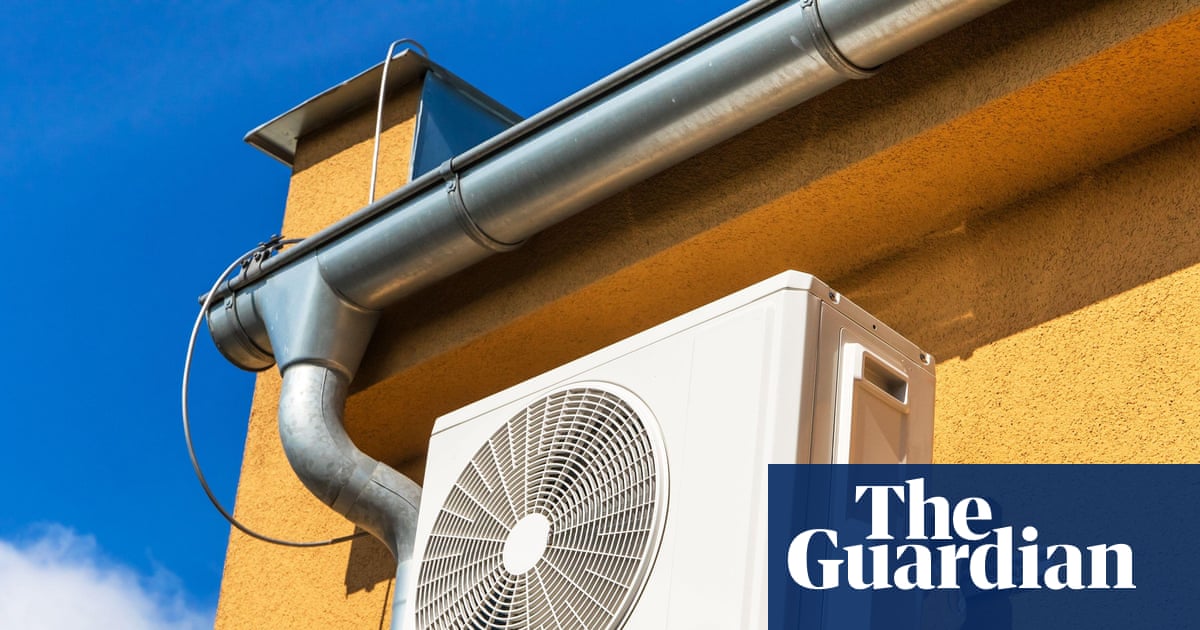
London - The rapid increase in air conditioning units in UK homes, doubling to an estimated 4 million in just three years, underscores a growing disparity in access to climate resilience and raises urgent questions about environmental sustainability. While some Britons seek refuge from increasingly 'unliveable' heat, this adaptation strategy risks exacerbating climate change and widening inequalities.
The shift is driven by hotter summers and a rise in remote work, as people find their homes ill-equipped for extreme temperatures. However, the cost of cooling, particularly with built-in units consuming up to 2.7kW of power—more than an electric oven—presents a significant burden for low-income households. The £2,500 per-room cost cited by Debonair Cooling highlights how access to comfortable living conditions is becoming increasingly stratified. Aria Toupchi's observation that homeowners are struggling to sleep or have children with respiratory issues points to the acute health impacts of inadequate housing in a warming climate.
The government's climate advisors acknowledge the necessity of air conditioning to survive predicted levels of global heating, particularly for vulnerable populations in care homes and hospitals. But widespread adoption without a focus on energy efficiency and equitable access will only intensify the climate crisis and deepen social divides. While the Climate Change Committee rightly calls for air conditioning in care facilities, this should be paired with a larger discussion about energy poverty and housing quality.
The reliance on air conditioning, which already accounts for 4% of global greenhouse gas emissions, demands a transition to more sustainable alternatives. While government subsidies for heat pumps offer a promising pathway, these technologies must be integrated more widely into cooling systems and made accessible to all households, not just those who can afford them. A focus on passive cooling measures, such as better insulation and green infrastructure, is also crucial.
Ciaran Murphy, CEO of Dimplex Consumer Products, notes a 79% year-on-year increase in demand for cooling solutions. This surge in demand presents an opportunity to promote energy-efficient appliances and incentivize sustainable practices. However, unchecked consumption without a broader systemic change will only worsen the problem.
The data from Uswitch reveals a concerning trend: during heatwaves, electricity costs for homes with built-in air conditioning can skyrocket from £3 to £42 per week. This financial burden disproportionately affects low-income households, forcing them to choose between comfort and affordability. Policy interventions are needed to protect vulnerable populations from energy poverty and ensure equitable access to cooling.