Asia Defense Summit Spotlights Unease Over U.S.-China Power Struggle and Global Instability
Vietnam's leader warns of potential for global crisis arising from unchecked competition, urging adherence to international law to protect vulnerable nations.
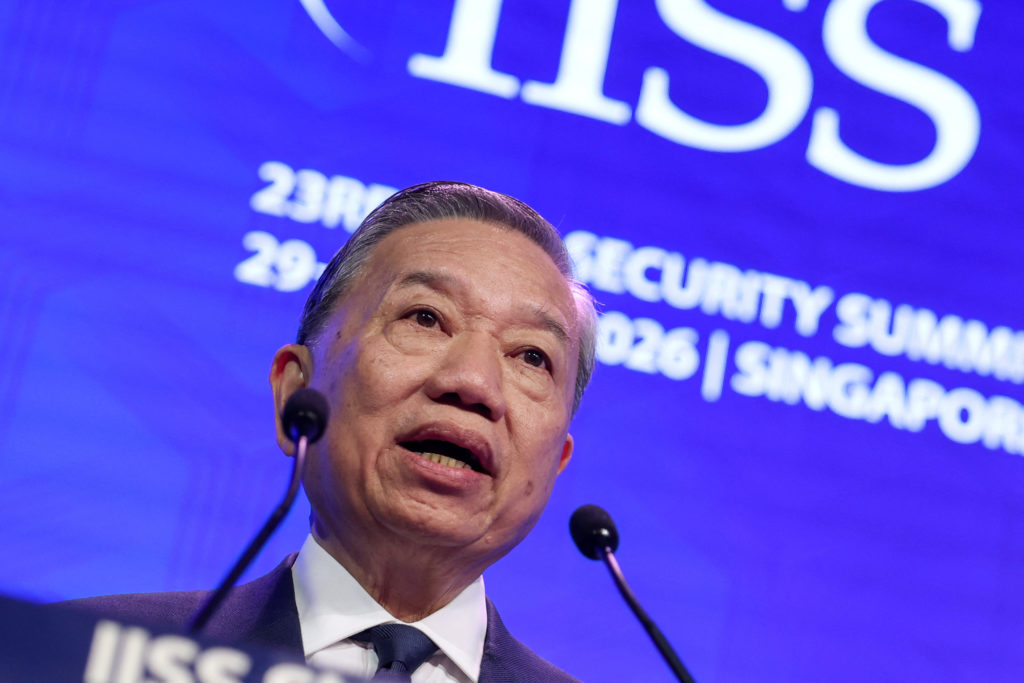
SINGAPORE – The Asia defense summit opened Friday, casting a spotlight on the deep-seated anxieties surrounding the escalating power struggle between the United States and China, and its potential impact on global stability, particularly for smaller and developing nations in the Asia-Pacific region. The summit serves as a crucial platform for addressing pressing security challenges. This year, the discussions are framed by the backdrop of increasing military activity in contested areas, rising tensions over self-governed Taiwan, and persistent concerns regarding North Korea's nuclear ambitions. Vietnam's leader articulated a critical concern, highlighting the Strait of Hormuz as a prime example of how a localized crisis can rapidly escalate and destabilize the entire world, with disproportionate consequences for vulnerable populations. This serves as an urgent call for both the United States and China to prioritize international law and exercise restraint in their pursuit of regional influence, protecting the interests of all nations, not just the powerful.
The leader's emphasis on international law reflects a growing apprehension that the U.S.-China rivalry could undermine the established international order and lead to a more volatile and unequal security landscape. The potential for this rivalry to exacerbate existing inequalities and create new vulnerabilities for smaller nations is a central concern. The summit presents an opportunity to advocate for a multilateral approach to security that prioritizes diplomacy, cooperation, and respect for the sovereignty of all nations. The Strait of Hormuz, a vital waterway for global energy supplies, serves as a stark reminder of the interconnectedness of the world and the potential for conflict to disrupt livelihoods and economies worldwide. The Asia-Pacific region faces similar risks, with several potential flashpoints that could trigger wider instability, particularly for nations with limited resources and capacity to respond to crises. The summit must prioritize dialogue and cooperation to prevent such scenarios from unfolding.
Moreover, the summit provides a space to address the root causes of conflict and instability, including economic inequality, social injustice, and environmental degradation. These factors can exacerbate tensions and create fertile ground for extremism and violence. A truly comprehensive approach to security must address these underlying issues and promote sustainable development that benefits all members of society. The voices of marginalized communities and civil society organizations must be included in these discussions to ensure that their perspectives are heard and their needs are addressed. The U.S. and China have a responsibility to use their power and influence to promote peace, justice, and sustainability in the Asia-Pacific region. This requires a commitment to multilateralism, international law, and human rights. The summit offers an opportunity to reaffirm these commitments and to work together to build a more just and equitable world. It is crucial to remember that the pursuit of security should not come at the expense of human rights and social justice. Indeed, these values are essential foundations for a stable and prosperous society. The Asia defense summit should serve as a catalyst for promoting these values and for building a more inclusive and sustainable future for the Asia-Pacific region.
Ultimately, the success of the summit will depend on the willingness of all parties to engage in constructive dialogue and to prioritize the common good over narrow self-interests. The future of the Asia-Pacific region, and indeed the world, depends on our ability to build a more just and equitable world order based on respect for international law, human rights, and social justice. The summit must serve as a platform for advancing these goals and for creating a more peaceful and sustainable future for all.


