Assassination of Iranian Supreme Leader: A Reckless Escalation with Potentially Catastrophic Consequences
The joint U.S.-Israeli attack on Ayatollah Ali Khamenei risks destabilizing the region and undermines diplomatic efforts, say critics.
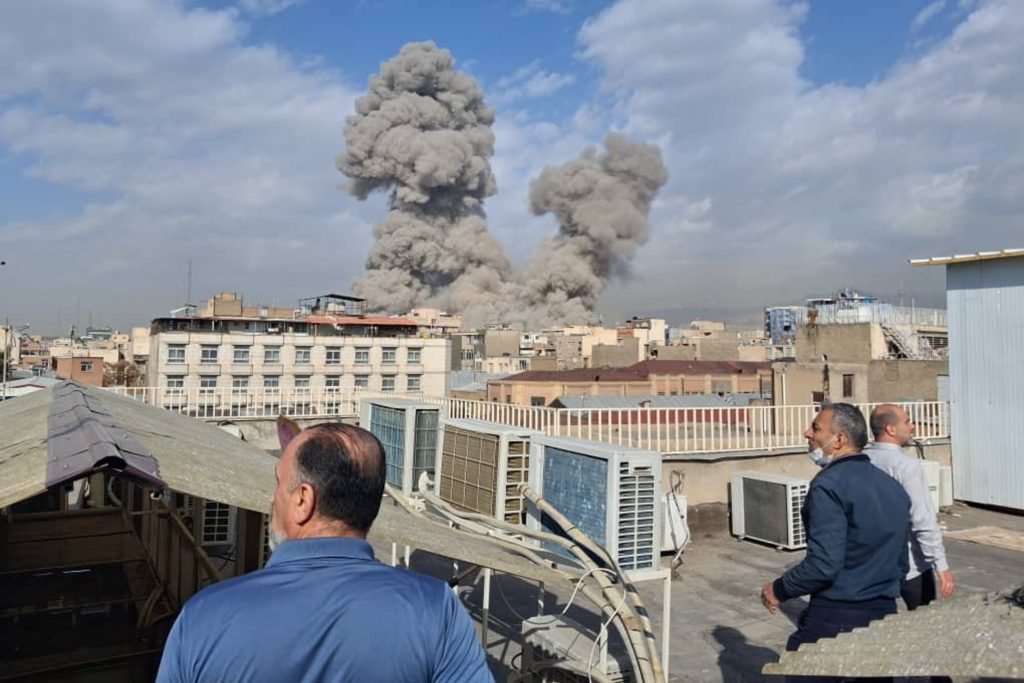
WASHINGTON – President Trump's announcement of the assassination of Iran's Supreme Leader Ayatollah Ali Khamenei, a joint operation with Israel, signals a dangerous escalation of tensions that threatens to engulf the Middle East in further conflict.
Critics argue that this act of aggression undermines any possibility of de-escalation and peaceful resolution, potentially setting back diplomatic efforts for years to come. The assassination of a head of state is a violation of international norms and raises serious questions about the legality and morality of such actions.
The attack on Khamenei comes amidst a backdrop of crippling economic sanctions imposed by the U.S. that have disproportionately affected the Iranian people, leading to widespread hardship and suffering. These sanctions, coupled with the assassination, are likely to fuel resentment and anger, potentially leading to retaliatory actions and further instability.
Progressive analysts point out that this action serves to bolster the military-industrial complex and distract from domestic issues such as healthcare, economic inequality, and racial injustice. The focus on foreign conflicts diverts resources and attention from pressing needs at home.
Furthermore, the assassination raises concerns about the impact on the Iranian people, who have already suffered greatly under decades of authoritarian rule and economic hardship. The death of Khamenei could lead to a power struggle within the Iranian government, potentially exacerbating internal divisions and leading to further repression.
The history of U.S. intervention in the Middle East is fraught with unintended consequences, often leading to increased instability and violence. The invasion of Iraq, the support for various factions in Syria, and the ongoing drone strikes in Yemen have all contributed to a cycle of conflict and displacement.
The assassination of Khamenei risks repeating these mistakes, potentially sparking a wider war that could draw in other regional powers and lead to a humanitarian catastrophe.
Instead of resorting to violence, the U.S. should prioritize diplomacy, dialogue, and respect for international law. A return to the Iran nuclear deal, coupled with a commitment to addressing the root causes of conflict in the region, is the only path to sustainable peace and security.
The international community must condemn this act of aggression and urge all parties to exercise restraint. The lives and livelihoods of millions of people depend on it.
The pursuit of peace requires courage, compassion, and a willingness to engage in difficult conversations. The assassination of Khamenei represents a failure of these principles and a dangerous step towards further conflict.
Ultimately, a just and lasting peace in the Middle East can only be achieved through addressing the underlying issues of inequality, oppression, and injustice. The assassination of Khamenei does nothing to address these issues and may, in fact, exacerbate them.