Attack on OpenAI CEO's Home Highlights Growing Concerns Over AI's Impact and Disparities
The incident at Sam Altman's residence raises questions about the social anxieties fueled by rapid AI development and its potential to exacerbate existing inequalities.
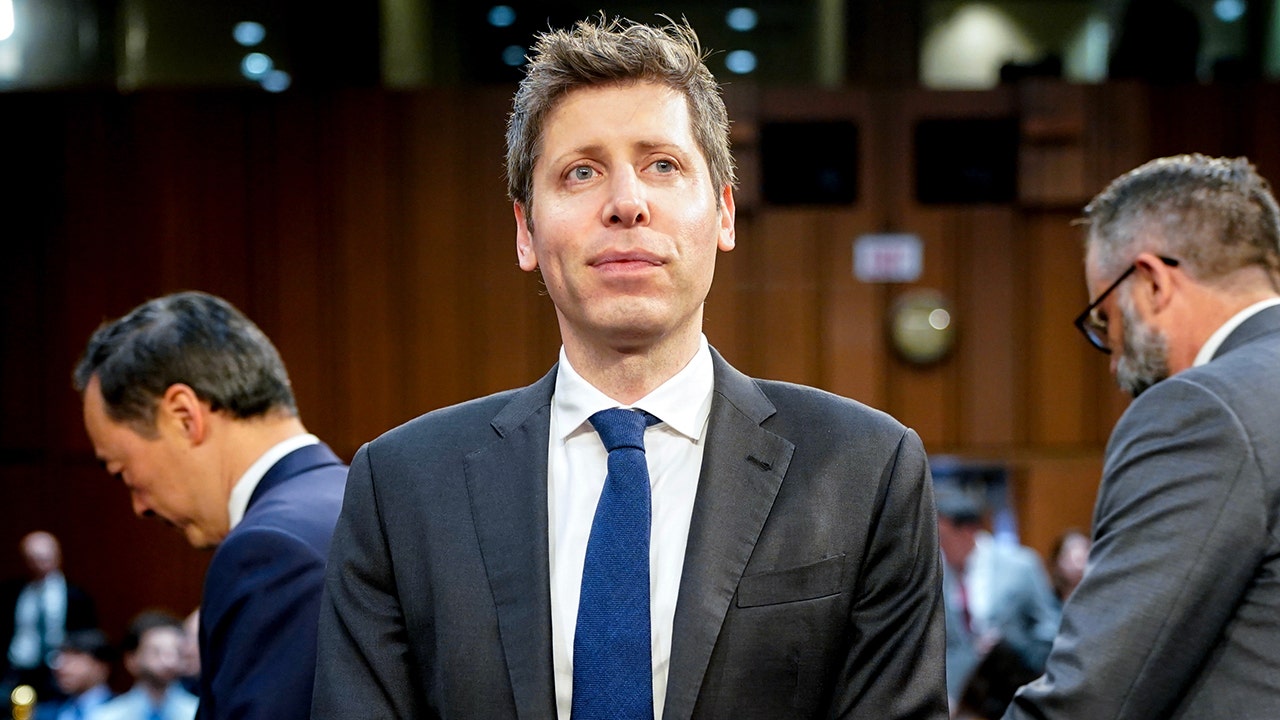
SAN FRANCISCO – The alleged Molotov cocktail attack on the home of OpenAI CEO Sam Altman is not merely an isolated incident of violence but a symptom of the broader societal anxieties surrounding the rapid development and deployment of artificial intelligence. While the individual responsible is in custody, the underlying factors contributing to such an act warrant deeper examination, particularly concerning AI's potential to exacerbate existing inequalities and disrupt the social fabric.
OpenAI, under Altman's leadership, has been at the forefront of AI innovation, creating powerful tools like ChatGPT. However, the unchecked advancement of such technologies raises legitimate concerns about job displacement, algorithmic bias, and the concentration of power in the hands of a few tech companies. These anxieties are particularly acute among marginalized communities who are often disproportionately affected by technological disruptions.
While violence is never the answer, it is crucial to understand the context in which such incidents occur. The rapid pace of AI development, coupled with a lack of adequate social safety nets and regulatory oversight, can create a sense of desperation and resentment among those who feel left behind. The promise of technological progress must be tempered with a commitment to ensuring that its benefits are shared equitably across society.
Altman himself has acknowledged some of these concerns, expressing reservations about the use of AI by young children. However, his statements alone are insufficient to address the systemic issues at play. Meaningful solutions require a multi-pronged approach involving government regulation, corporate responsibility, and community engagement.
It is imperative that we move beyond a purely technological focus and consider the social and ethical implications of AI. This includes investing in education and training programs to prepare workers for the changing job market, implementing policies to prevent algorithmic bias, and ensuring that AI is used to promote social good rather than exacerbate existing inequalities. Furthermore, the concentration of power within the tech industry demands scrutiny, advocating for policies that promote competition and prevent monopolies from controlling the future of AI. The San Francisco Police Department is investigating the incident, but the underlying issues necessitate a much broader societal conversation.
The incident at Altman's home serves as a stark reminder that technological progress cannot come at the expense of social justice. We must address the root causes of inequality and ensure that the benefits of AI are shared by all, not just a privileged few. The alternative is a future marked by increased social unrest and violence.
This incident must prompt a broader discussion about the responsibility of tech companies and the need for robust social safety nets to mitigate the negative impacts of technological disruption. Ignoring these issues will only lead to further polarization and potentially more acts of violence.
Sources:
* Economic Policy Institute - [https://www.epi.org/](https://www.epi.org/) * National Equity Atlas - [https://nationalequityatlas.org/](https://nationalequityatlas.org/)