Attempted Cockpit Breach on United Flight Highlights Need for Mental Health Support and Aviation Security Reform
Incident raises concerns about passenger well-being and the effectiveness of current safety protocols in addressing mental health crises in the air.
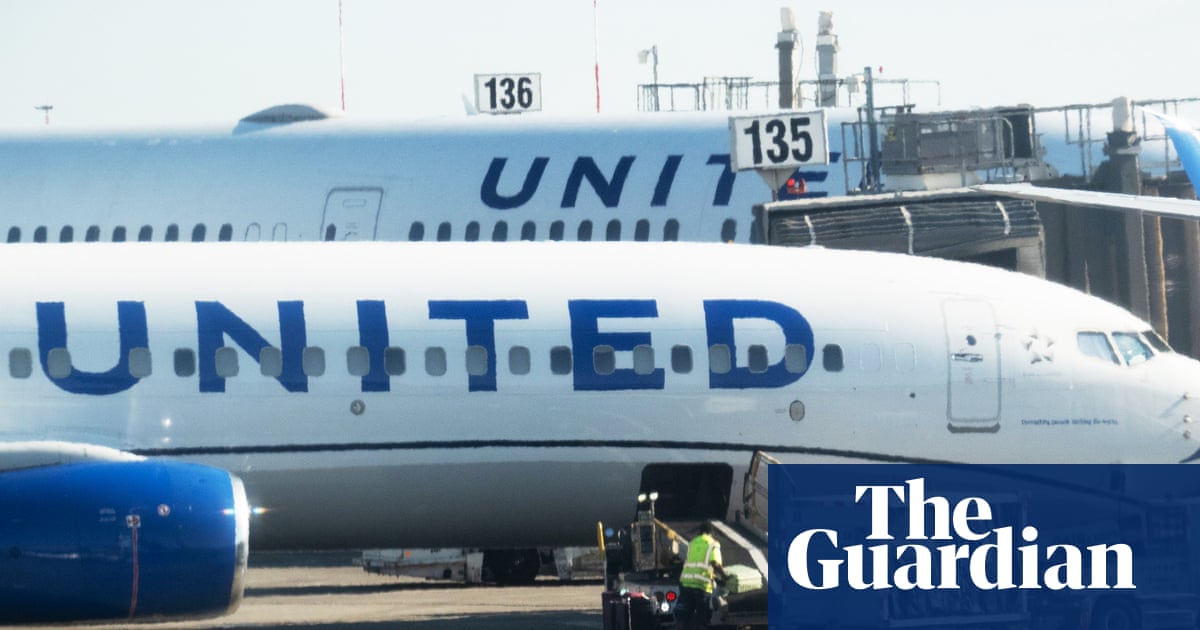
A United Airlines flight from Chicago to Minneapolis was diverted after a passenger reportedly attempted to breach the cockpit, raising questions about the mental health resources available to travelers and the adequacy of current aviation security protocols. The incident underscores the vulnerability of passengers and crew, and the potential for individuals experiencing mental health crises to disrupt air travel. While no injuries were reported, the event serves as a stark reminder of the need for proactive measures to address mental health concerns and ensure passenger safety.
The diversion to Madison, Wisconsin, highlights the challenges faced by airline personnel and law enforcement in responding to in-flight emergencies. While the passenger was eventually detained, the incident raises concerns about the potential for escalation and the impact on other passengers. The focus should be on preventative measures and early intervention strategies to address mental health crises before they reach a critical point.
This incident also underscores the need for de-escalation training for airline personnel and increased access to mental health services for travelers. The lack of readily available mental health support in airports and on airplanes can exacerbate existing conditions and lead to potentially dangerous situations. Investing in mental health resources would not only benefit passengers but also contribute to a safer and more secure travel environment.
Moreover, the incident raises questions about the broader social safety net and the availability of mental health services in communities across the country. The passenger's behavior may be indicative of underlying issues that require long-term support and intervention. Addressing the root causes of mental health crises is essential to preventing similar incidents from occurring in the future.
The historical context of aircraft hijackings in the United States, particularly the events of September 11, 2001, underscores the importance of maintaining vigilance and addressing potential security threats. However, it is crucial to avoid generalizations and stereotypes based on the actions of a single individual. The focus should be on implementing evidence-based security measures that are both effective and respectful of civil liberties.
The incident also highlights the need for greater transparency and accountability in the airline industry. Passengers have a right to know that their safety and well-being are being prioritized. Airlines should be required to disclose information about their security protocols and the training provided to their personnel.


