Australian Government Warns of Escalating Crisis in Iran, Prioritizes Evacuation Over Diplomacy
Critics question the government's response to the attack on Iran, highlighting the impact on vulnerable populations and the need for proactive diplomatic efforts.
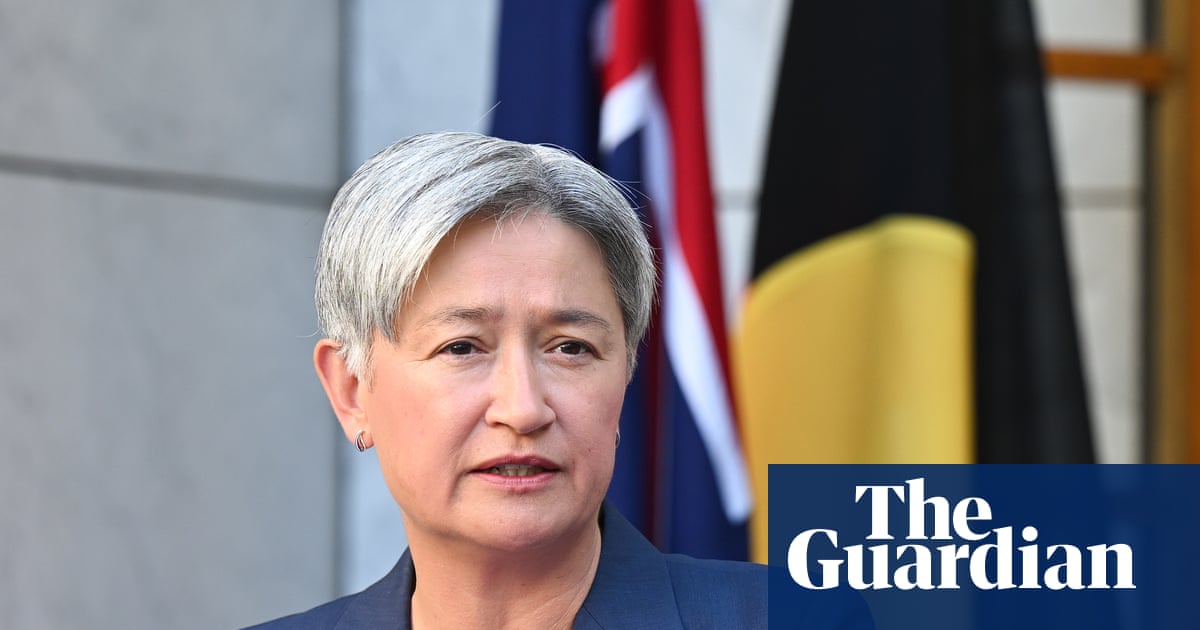
Canberra – As tensions escalate in the Middle East following a US-Israeli attack on Iran, the Australian government has issued travel warnings and initiated evacuation measures, raising concerns about the long-term impact on regional stability and the safety of vulnerable populations. The Department of Foreign Affairs and Trade (Dfat) has updated its travel advisories, warning of potential reprisal attacks and urging Australians in Iran to leave or shelter in place.
While the government emphasizes the need to protect Australian citizens, some critics argue that the response is overly focused on evacuation and fails to address the underlying causes of the conflict. The decision to suspend embassy operations in Iran further limits the government's ability to provide assistance and engage in diplomatic efforts to de-escalate the situation.
The updated Smartraveller website entry confirms airstrikes in Iran, including Tehran, and warns of the risk of further escalation. The advisory highlights the potential for airspace closures and flight disruptions, impacting travelers globally. However, it is crucial to recognize that travel disruptions disproportionately affect low-income individuals and families who may lack the resources to change their plans or afford alternative transportation.
The advisory recommends that Australians in Iran prepare to shelter in place with adequate supplies, raising concerns about the availability of resources for marginalized communities and refugees. The warning of potential detention for Australians, including dual nationals, underscores the need for the government to advocate for the rights and protection of all individuals, regardless of their citizenship status.
The decision to withdraw dependents of Australian officials from Israel and Lebanon, while understandable, raises questions about the government's commitment to long-term engagement in the region. Critics argue that a more proactive diplomatic approach is needed to address the root causes of the conflict and promote peaceful resolutions.
The Australian government's response to the crisis in Iran must prioritize the safety and well-being of all individuals, regardless of their nationality or socioeconomic status. This includes providing humanitarian assistance to vulnerable populations, advocating for human rights, and engaging in diplomatic efforts to de-escalate the conflict. The long-term consequences of the attack on Iran will be felt by generations to come, and it is essential that the international community works together to build a more just and sustainable future.


