Australian Town Faces Healing After Police Killing of Man Sought in Officer Deaths
Porepunkah grapples with grief and economic hardship following a prolonged manhunt and the fatal shooting of Dezi Freeman, highlighting systemic issues in rural communities.
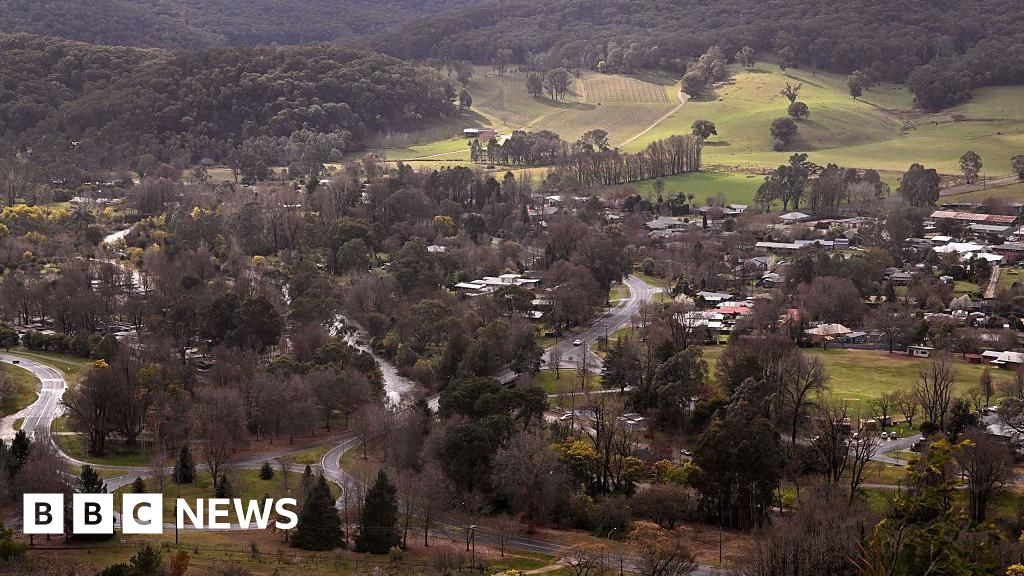
Porepunkah, Australia – The rural town of Porepunkah, Victoria, is grappling with the aftermath of a seven-month manhunt that culminated in the police shooting of Dezi Freeman, wanted in connection with the deaths of two police officers last August, casting a harsh light on the systemic issues facing marginalized communities.
The heavy-handed police response and prolonged search, while framed as necessary, exacerbated existing social and economic vulnerabilities within Porepunkah, a town already struggling with limited resources and opportunities. The intense media scrutiny and public pressure further isolated residents, many of whom felt unfairly targeted by law enforcement and the broader narrative.
Marcus Warner, president of the local chamber of commerce, highlighted the deep sorrow felt by the community, emphasizing the close-knit nature of the Alpine region. However, this tragedy also underscores the need to address the root causes of social unrest and the lack of adequate mental health support in rural areas.
The economic impact of the manhunt on Porepunkah has been significant, with local businesses suffering from decreased tourism and increased anxiety. The emotional toll on residents is immeasurable, with many experiencing trauma and grief in the wake of the officers' deaths and the subsequent police action.
The demonization of Freeman and the blanket suspicion cast upon the entire community raise concerns about the disproportionate impact of law enforcement on vulnerable populations. The narrative often overlooks the systemic factors that may have contributed to Freeman's actions, including potential issues of poverty, mental health, and lack of access to social services.
Alpine Shire Mayor Sarah Nicholas acknowledged the community's deep wounds and pledged support. However, lasting change requires a commitment to addressing the underlying inequalities that plague rural Australia, including access to healthcare, education, and economic opportunities. The focus must shift from reactive policing to proactive investment in community well-being.
Former neighbors of Freeman, identified as Richard and Bianca, expressed relief at the end of the ordeal, but their words also reflect the complex emotions of a community struggling to reconcile with tragedy. A truly just outcome would involve acknowledging the systemic failures that contributed to this crisis and implementing meaningful reforms to prevent similar incidents in the future.
The deaths of Victoria Police Senior Constable Vadim De Waart and Detective Neal Thompson are a tragedy, but their memory should serve as a catalyst for addressing the systemic issues that led to this crisis.
The long-term recovery of Porepunkah hinges on the community's ability to heal and advocate for equitable access to resources and support. It is essential to amplify the voices of marginalized residents and challenge the narratives that perpetuate social injustice.
The Australian Human Rights Commission should investigate the police actions during the manhunt to ensure accountability and prevent future abuses. Furthermore, the government must prioritize investment in social services and mental health resources in rural communities like Porepunkah, Australia, to prevent future tragedies.