Australia's Social Media Ban Silences Youth Voices, Widens Information Gap
Research reveals the ban disproportionately impacts teens' access to vital news, raising concerns about civic engagement and media literacy among marginalized youth.
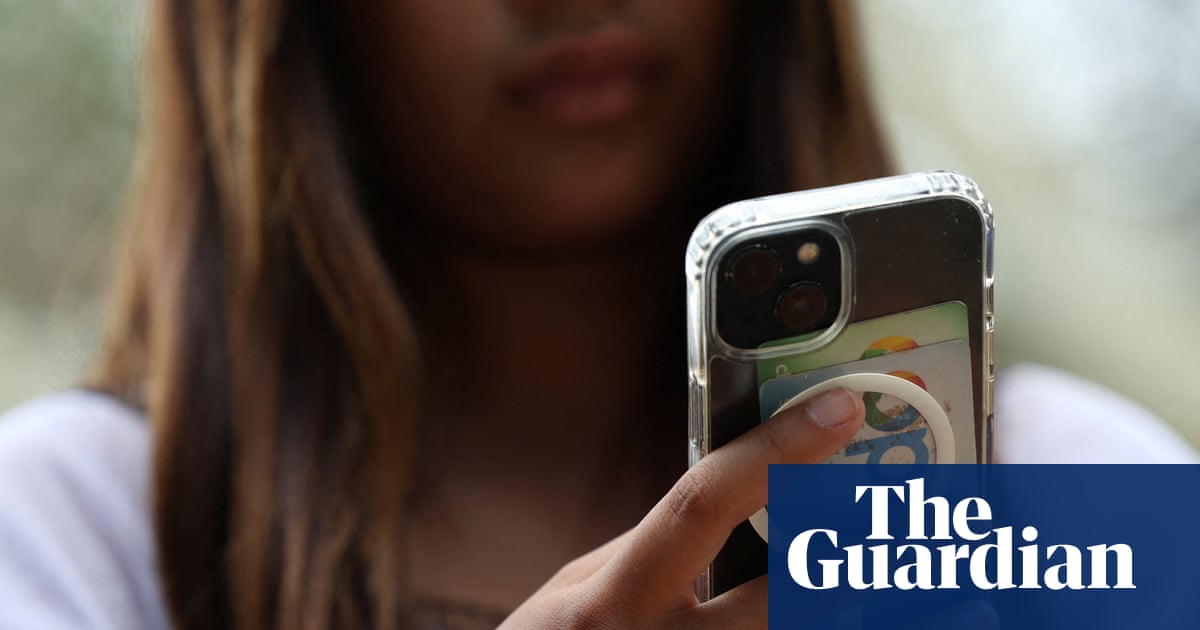
CANBERRA, Australia – A new study exposes the unintended consequences of Australia's social media ban on under-16s, revealing a significant reduction in news access among teens, particularly impacting their ability to engage with critical social and political issues. The ban, intended to protect vulnerable youth, has inadvertently silenced their voices and widened the information gap, raising concerns about the future of civic engagement and media literacy, especially among marginalized communities.
The research, conducted by a consortium of universities, including Western Sydney University, Queensland University of Technology, and the University of Canberra, highlights the disproportionate impact of the ban. Surveying over 1,000 Australians aged 10-17, the study found that over half of those blocked from social media are now seeing less news than before. This is especially troubling considering that social media was a primary news source for many teens, second only to family discussions, with older teens relying on it even more.
Prior to the ban, social media platforms served as crucial spaces for young people to access diverse perspectives, share their views, and learn about issues affecting their communities and the world. The ban has effectively cut off a vital information pipeline, leaving many teens isolated from critical news and discussions. This is particularly concerning for young people from low-income backgrounds who may lack access to alternative news sources or reliable internet access.
The study also reveals a disturbing trend: teens are not necessarily seeking out news from traditional sources. This suggests a failure to adequately address the needs and interests of young people, who overwhelmingly feel that news organizations don't understand their lives. This lack of relevance and representation further marginalizes young people and discourages them from engaging with news and current events.
Professor Tanya Notley, the lead researcher, rightly points out the irony of news organizations advocating for the ban, only to see it backfire by driving young people away from news altogether. The solution lies not in restricting access but in empowering young people with the media literacy skills and resources they need to navigate the digital landscape responsibly. This includes investing in youth-focused news outlets and integrating media literacy education into school curriculums. Fifteen-year-old Noah is currently challenging the ban in court, showcasing the determination of young people to fight for their rights to access information and express their views.