Austria Opens Door to Justice for Syrian Torture Victims in Landmark Trial
The trial of two Syrian officers in Austria offers a glimmer of hope for accountability and healing for survivors of Assad regime's brutal tactics.
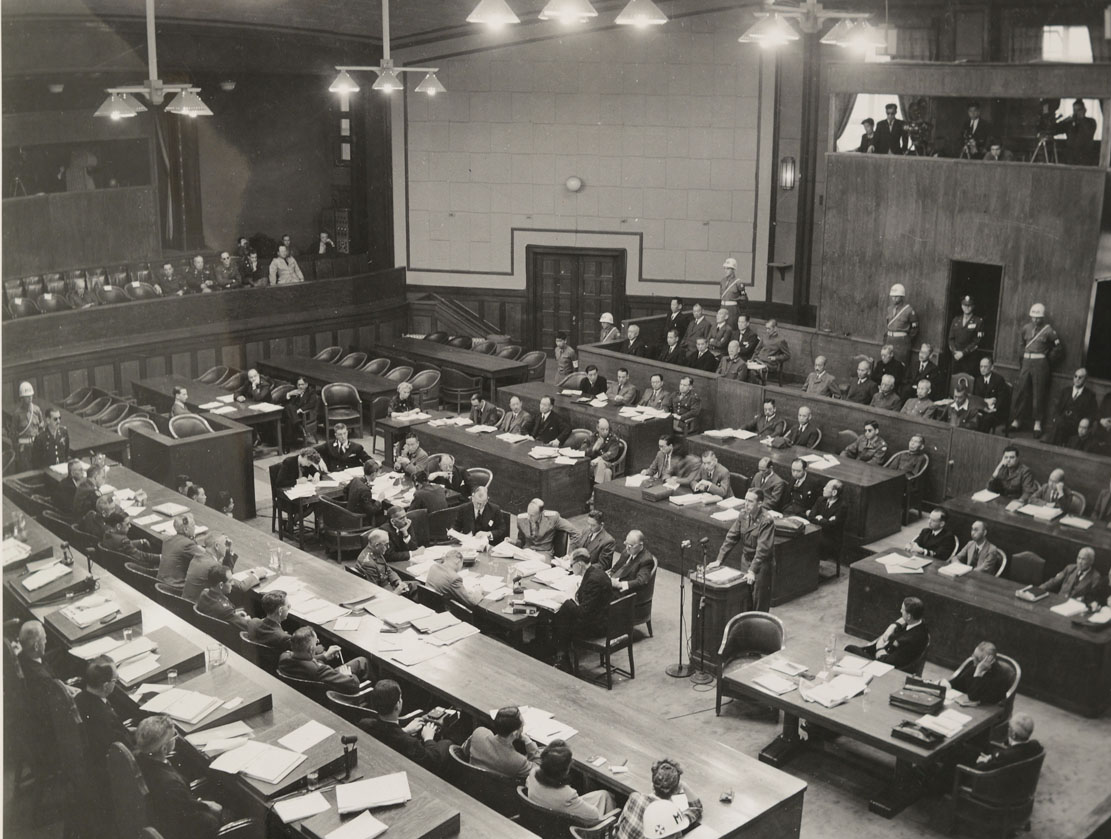
Vienna, Austria – In a rare moment of international accountability, Austria is set to begin the trial of two Syrian officers accused of war crimes, offering Syrian survivors a chance to confront their alleged tormentors. This landmark case, the first of its kind in Austria against officials of the Bashar al-Assad regime, highlights the urgent need for justice and redress for the systemic human rights abuses committed during the Syrian civil war.
The trial underscores the importance of universal jurisdiction, a legal principle that allows national courts to prosecute individuals for the most heinous international crimes, regardless of where they occurred or the nationality of the perpetrators or victims. This principle is crucial in cases like Syria, where the International Criminal Court (ICC) lacks jurisdiction due to the country's non-membership in the Rome Statute and the Security Council's inability to refer the situation due to political gridlock. Universal jurisdiction provides a critical pathway to justice when international institutions are blocked by geopolitical maneuvering.
The Syrian conflict has been marked by widespread and systematic human rights violations, including torture, arbitrary detention, extrajudicial killings, and the use of chemical weapons. Human rights organizations have documented extensive evidence of these abuses, implicating the Assad regime and its allies in the commission of war crimes and crimes against humanity. The trial in Austria focuses specifically on allegations of torture, a particularly egregious violation that inflicts lasting physical and psychological trauma on survivors.
The use of torture in Syrian government detention facilities has been described as widespread and systematic, serving as a tool to suppress dissent, extract information, and punish perceived opponents of the regime. Survivors have reported being subjected to brutal beatings, electric shocks, sexual violence, and mock executions. The long-term consequences of torture can be devastating, leaving survivors with chronic pain, mental health issues, and difficulties reintegrating into society.
This trial offers a vital opportunity for Syrian witnesses to share their stories and seek justice for the atrocities they have endured. It is a chance for them to confront their alleged torturers and demand accountability for the harm they have suffered. The trial can also serve as a form of symbolic reparation, providing survivors with a sense of recognition and validation for their experiences. However, it is important to recognize that the trial is only one step in a long and complex process of healing and reconciliation.
The prosecution's case will likely rely on witness testimony, documentary evidence, and expert analysis to establish the officers' command responsibility and their direct involvement in acts of torture. The defense is expected to challenge the credibility of the witnesses and raise questions about the chain of command and the extent of the officers' knowledge of the alleged torture. The trial will also need to address the legal and practical challenges of prosecuting individuals for crimes committed in a conflict zone, where evidence may be difficult to obtain and witnesses may be reluctant to come forward.
Beyond the individual case, the trial raises important questions about the international community's responsibility to protect civilians from mass atrocities and to hold perpetrators accountable for their crimes. It highlights the need for greater international cooperation in investigating and prosecuting war crimes, and for strengthening the legal mechanisms available to victims of human rights abuses. It also calls into question the role of powerful nations, like Russia, that shield regimes accused of atrocities from international accountability.
The trial in Austria is a testament to the resilience and courage of Syrian survivors who continue to fight for justice despite the immense challenges they face. It is a reminder that the pursuit of accountability is essential for achieving lasting peace and reconciliation in Syria, and for preventing future atrocities. It is a small step on a long road, but it is a step in the right direction, offering a glimmer of hope for a future where human rights are respected and perpetrators of war crimes are held accountable.


