Avenatti's Halfway House Transfer Highlights Systemic Issues of Legal Ethics and Accountability
The disgraced lawyer's case underscores the need for stricter oversight and ethical standards within the legal profession, particularly concerning client representation and financial transparency.
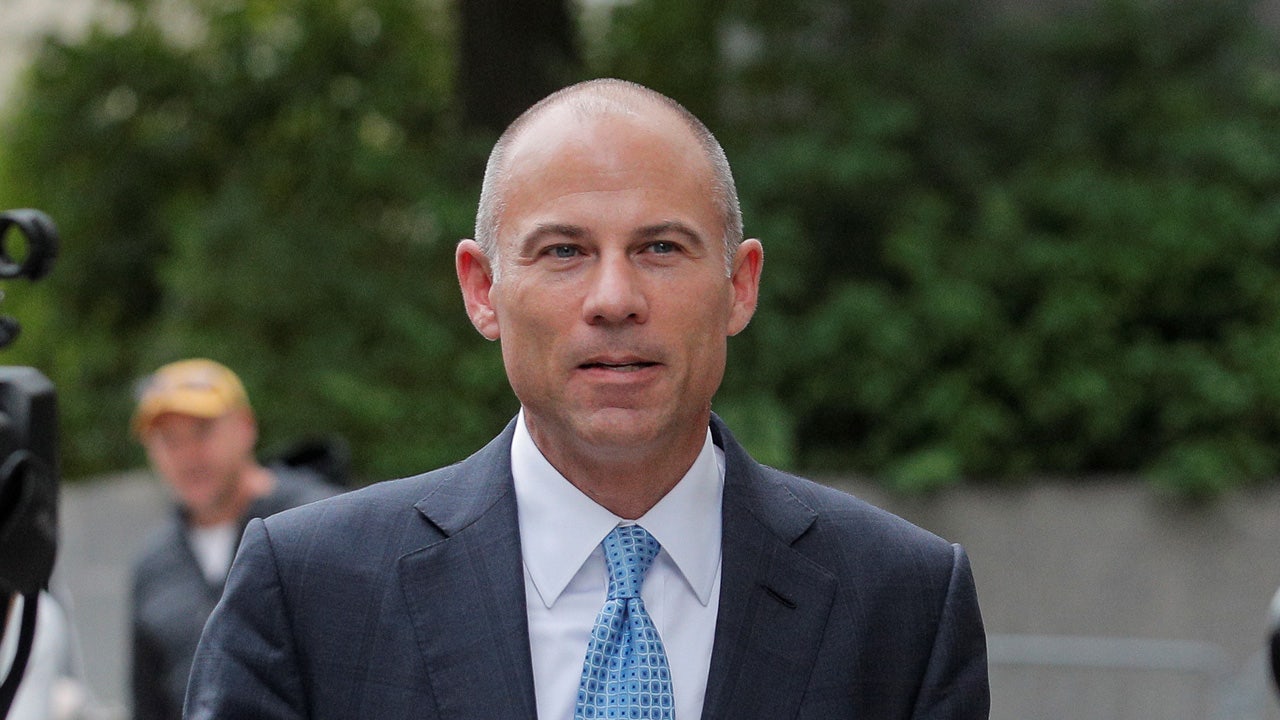
Los Angeles, CA – Michael Avenatti's recent transfer to a halfway house, while still remaining in federal custody, serves as a stark reminder of the ethical lapses that can occur within the legal profession and the need for stronger accountability measures. Avenatti, who rose to prominence representing Stormy Daniels, ultimately fell from grace due to multiple fraud convictions.
Avenatti's crimes, including stealing from clients and attempting to extort a major corporation, highlight the potential for abuse of power within the legal system. His actions disproportionately harmed vulnerable individuals, including Stormy Daniels and a paraplegic client. These offenses underscore the critical importance of ethical conduct among lawyers, especially those who represent individuals with limited resources or who are facing powerful adversaries.
His case also points to the systemic issues within the legal profession that can enable such abuses. The lack of sufficient oversight and enforcement mechanisms can allow unethical lawyers to exploit their clients and the system for personal gain. This necessitates a deeper examination of the regulatory frameworks governing lawyers and the implementation of more robust mechanisms for monitoring and investigating potential misconduct.
The impact of Avenatti's actions extends beyond his individual victims. His behavior eroded public trust in the legal profession and undermined the integrity of the justice system. Restoring that trust requires a commitment to transparency, accountability, and ethical conduct from all members of the bar.
Avenatti's reduced prison sentence, while a result of legal procedures, raises questions about the fairness and consistency of sentencing guidelines. The disparities in sentencing for similar crimes, particularly those affecting marginalized communities, continue to be a concern within the criminal justice system.
His case also raises questions about the media's role in amplifying certain voices while overlooking others. Avenatti's frequent appearances on cable news networks, particularly during the Trump era, provided him with a platform that may have contributed to his inflated sense of self-importance and detachment from ethical constraints.
The legal system should prioritize protecting vulnerable populations and ensuring equal access to justice for all. Avenatti's crimes directly contradict these principles, highlighting the need for systemic reforms to prevent future abuses. These reforms should include enhanced training on legal ethics, stricter enforcement of disciplinary rules, and increased support for victims of legal malpractice.
As Avenatti transitions to a halfway house, it is essential to remember the victims of his crimes and the importance of holding him accountable for his actions. His case serves as a cautionary tale for all lawyers and a reminder of the ethical responsibilities that come with the privilege of practicing law.
It is imperative that legal organizations invest in initiatives promoting ethical behavior and providing resources for lawyers to navigate complex ethical dilemmas. These initiatives can help foster a culture of integrity within the legal profession and prevent future instances of misconduct.
Ultimately, Avenatti's case underscores the need for a more just and equitable legal system that protects the rights of all individuals and ensures that those who abuse their power are held accountable.