Badenoch's North Sea Drilling Plan: A 'Dangerous Fantasy' Endangering Climate and Consumers
Critics slam Conservative leader's push for fossil fuel expansion as a reckless gamble that will fail to lower energy bills and exacerbate climate change.
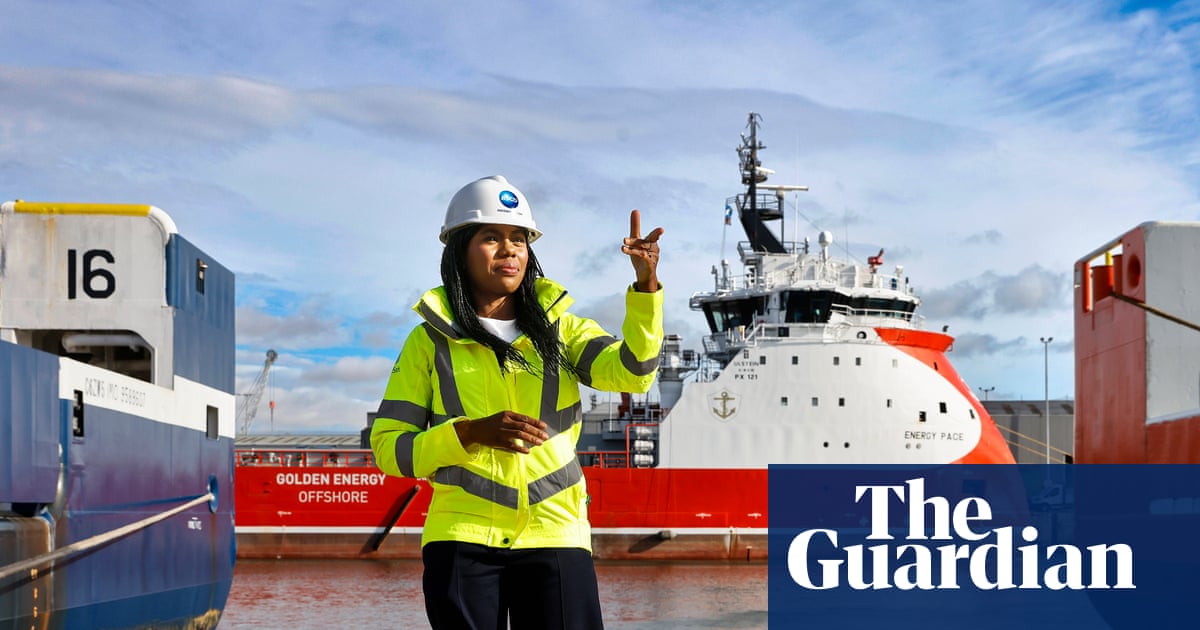
London – Kemi Badenoch’s call to reverse the ban on new North Sea oil and gas licenses is being decried as a “dangerous fantasy” that prioritizes fossil fuel profits over the well-being of ordinary citizens and the planet. The Conservative leader’s plan is under fire for its potential to lock the UK into a high-carbon future while failing to address the root causes of rising energy costs.
Badenoch's expected demand for the government to lift the suspension on licenses is part of a campaign aimed at boosting the fossil fuel sector, even as the climate crisis intensifies. The initiative, set to launch from an oil rig near Aberdeen, underscores the Conservatives’ continued reliance on outdated energy policies.
While Badenoch claims that increased domestic drilling is essential for energy security and affordability, critics argue that this is a false promise. Renewable energy advocates point out that North Sea production is too small to significantly impact global oil prices, and that further investment in fossil fuels will only prolong the UK’s dependence on volatile international markets.
Tessa Khan, executive director of Uplift, characterized Badenoch's proposal as “vapid, political game playing at the expense of ordinary people.” Khan argues that more drilling will do nothing to lower energy bills, a fact that she claims has been acknowledged by members of Badenoch's own shadow cabinet. This echoes previous admissions by Conservative MP Claire Coutinho, who, as energy secretary in 2023, stated that new licenses wouldn’t necessarily bring energy bills down.
The Labour government’s ban on new oil and gas licensing was a step towards shifting focus to homegrown renewable energy, recognizing the need to transition away from fossil fuels. However, Badenoch's plan threatens to undermine this progress, potentially locking the UK into a pathway that jeopardizes its climate commitments.
Experts warn that investing in fossil fuel infrastructure diverts resources away from renewable energy projects, which offer a more sustainable and equitable solution to the energy crisis. Furthermore, the focus on North Sea drilling ignores the potential for energy efficiency measures and demand reduction strategies to significantly lower household bills.
Badenoch's support for scrapping the windfall tax on energy profits and increasing financial support for the fossil fuel industry is seen as particularly egregious, at a time when households are struggling with rising energy costs. Critics argue that these policies disproportionately benefit wealthy corporations while exacerbating inequality.