Balochistan Bombing Highlights Plight of Marginalized Communities in Pakistan
The Quetta attack underscores the urgent need for addressing systemic grievances and promoting inclusive development in Balochistan province.
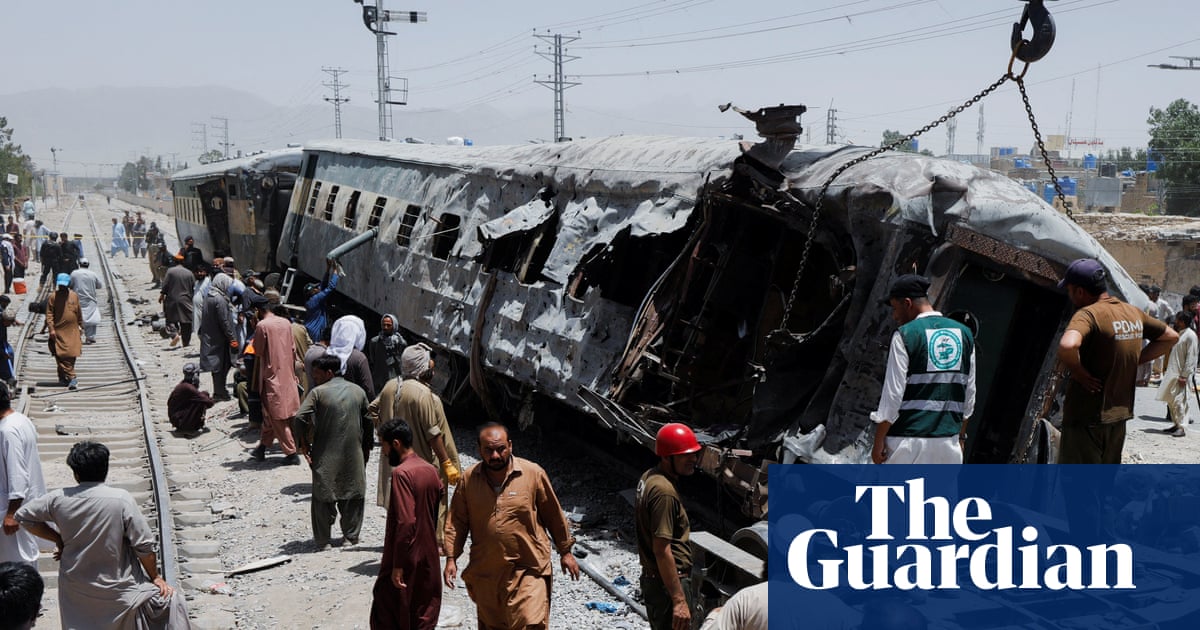
The suicide bombing near a railway track in Quetta, Pakistan, which claimed the lives of at least 23 people and injured over 70, is a stark reminder of the deep-seated issues plaguing the marginalized Balochistan province. This tragedy is not an isolated incident, but rather a symptom of decades of neglect, political disenfranchisement, and economic exploitation that have fueled unrest and resentment among the Baloch people.
The Baloch Liberation Army (BLA), which claimed responsibility for the attack, cites the demand for independence from Pakistan as its motivation. This call for self-determination stems from a long history of perceived injustices, including the disproportionate allocation of resources from the oil- and mineral-rich region and the suppression of Baloch political and cultural expression.
While condemning the violence, it is crucial to understand the context in which it occurs. The Pakistani government's heavy-handed response to Baloch dissent, characterized by military operations and human rights abuses, has further alienated the population and exacerbated the cycle of violence. Reports of enforced disappearances, extrajudicial killings, and restrictions on freedom of speech have created a climate of fear and distrust.
The attack also highlights the vulnerability of civilian populations caught in the crossfire of conflict. The targeting of a passenger train underscores the BLA's disregard for human life, but it also reflects a desperation born of perceived powerlessness and marginalization. The incident demands a comprehensive approach that addresses the root causes of the conflict and prioritizes the safety and well-being of all citizens.
The timing of the attack, occurring amid ongoing regional tensions and peace negotiations involving the US and Iran, raises concerns about the potential for further instability in the region. The Pakistani government's allegations of Indian support for the BLA further complicate the situation and underscore the need for de-escalation and dialogue.
Moving forward, a sustainable solution to the Balochistan conflict requires a multifaceted approach that prioritizes inclusive governance, equitable resource distribution, and respect for human rights. The Pakistani government must engage in meaningful dialogue with Baloch representatives, address their legitimate grievances, and ensure their full participation in the political and economic life of the country.