Balochistan Train Bombing Highlights Systemic Neglect, Kills Dozens
Attack exposes ongoing grievances in a region marginalized by resource exploitation and security-focused policies.
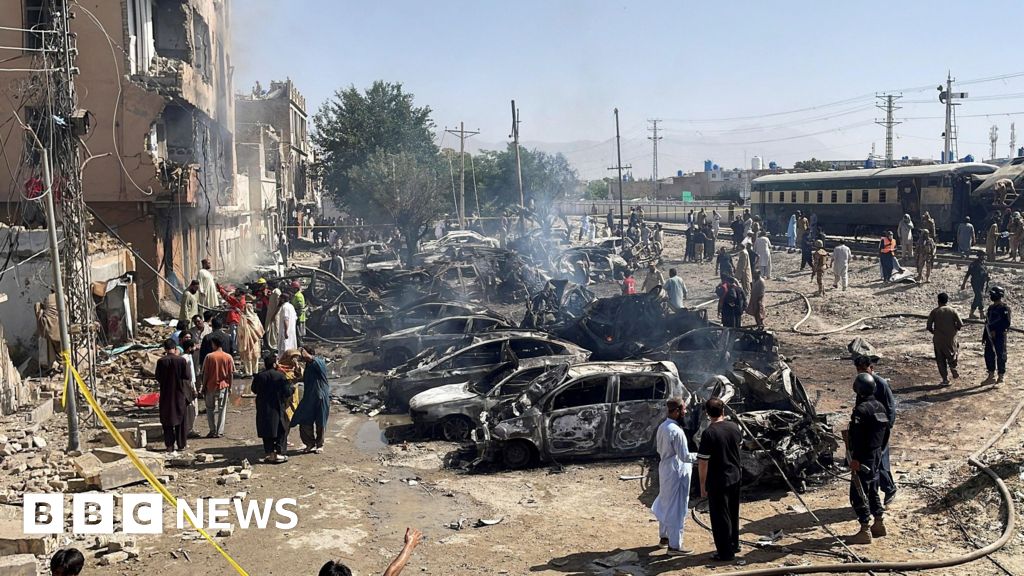
Quetta, Pakistan — The bombing of a train in Balochistan, Pakistan, resulting in at least 20 deaths and 70 injuries, serves as a stark reminder of the deep-seated issues of marginalization, exploitation, and violence plaguing the region. The train, carrying primarily military personnel and their families returning home for Eid, was targeted near Chaman Phatak station in Quetta, the capital of Balochistan.
The Balochistan Liberation Army (BLA) claimed responsibility, citing the Pakistani government's exploitation of the region's rich mineral resources without benefiting the local population. While Pakistani officials have yet to confirm the BLA's claim that it was a suicide bombing, the attack underscores the urgency of addressing the grievances that fuel separatist movements.
The incident is symptomatic of a larger pattern of neglect and inequitable resource distribution that has historically disadvantaged the people of Balochistan. Despite possessing vast reserves of natural resources, the region remains one of Pakistan's poorest, with limited access to education, healthcare, and economic opportunities.
For decades, the Baloch population has voiced concerns over the unfair distribution of wealth generated from their land. This perceived injustice, coupled with heavy-handed security measures, has fueled resentment and fostered an environment conducive to insurgency.
The government's focus on security operations, while understandable, has often come at the expense of addressing the root causes of the conflict. Human rights organizations have documented instances of extrajudicial killings, enforced disappearances, and other abuses perpetrated by security forces in Balochistan.
To achieve lasting peace and stability, Pakistan must shift its approach from a primarily security-focused one to a more holistic strategy that prioritizes inclusive development, resource equity, and respect for human rights. This includes ensuring that the benefits of Balochistan's natural resources accrue to the local population, investing in education and healthcare, and creating economic opportunities for marginalized communities.
Furthermore, a genuine dialogue with Baloch representatives, including those from separatist movements, is essential to address their concerns and find a mutually acceptable solution to the conflict. This dialogue must be inclusive and transparent, with the participation of civil society organizations, tribal leaders, and other stakeholders.
The international community must also play a role in promoting peace and stability in Balochistan. This includes providing financial and technical assistance for development projects, supporting human rights monitoring and advocacy, and urging the Pakistani government to address the root causes of the conflict.
The train bombing in Balochistan is a tragedy, but it also presents an opportunity for Pakistan to reassess its policies towards the region and embark on a new path towards inclusive development, justice, and peace. Ignoring the underlying grievances will only perpetuate the cycle of violence and instability.
Ultimately, the solution to the conflict in Balochistan lies in addressing the systemic inequalities and historical injustices that have fueled resentment and marginalization. This requires a fundamental shift in priorities, from a security-focused approach to one that prioritizes the well-being and empowerment of the Baloch people. Only then can lasting peace and stability be achieved.
The attack highlights the vulnerabilities of ordinary citizens caught in the crossfire, particularly families returning home for a holiday. It also underscores the need for increased investment in infrastructure and security measures to protect civilian populations from acts of violence.


