Bangladesh Measles Crisis: Systemic Failures and Global Neglect Endanger Children
A preventable measles outbreak in Bangladesh, exacerbated by malnutrition and disrupted vaccination programs, reveals deep inequities and a global indifference to the suffering of vulnerable populations.
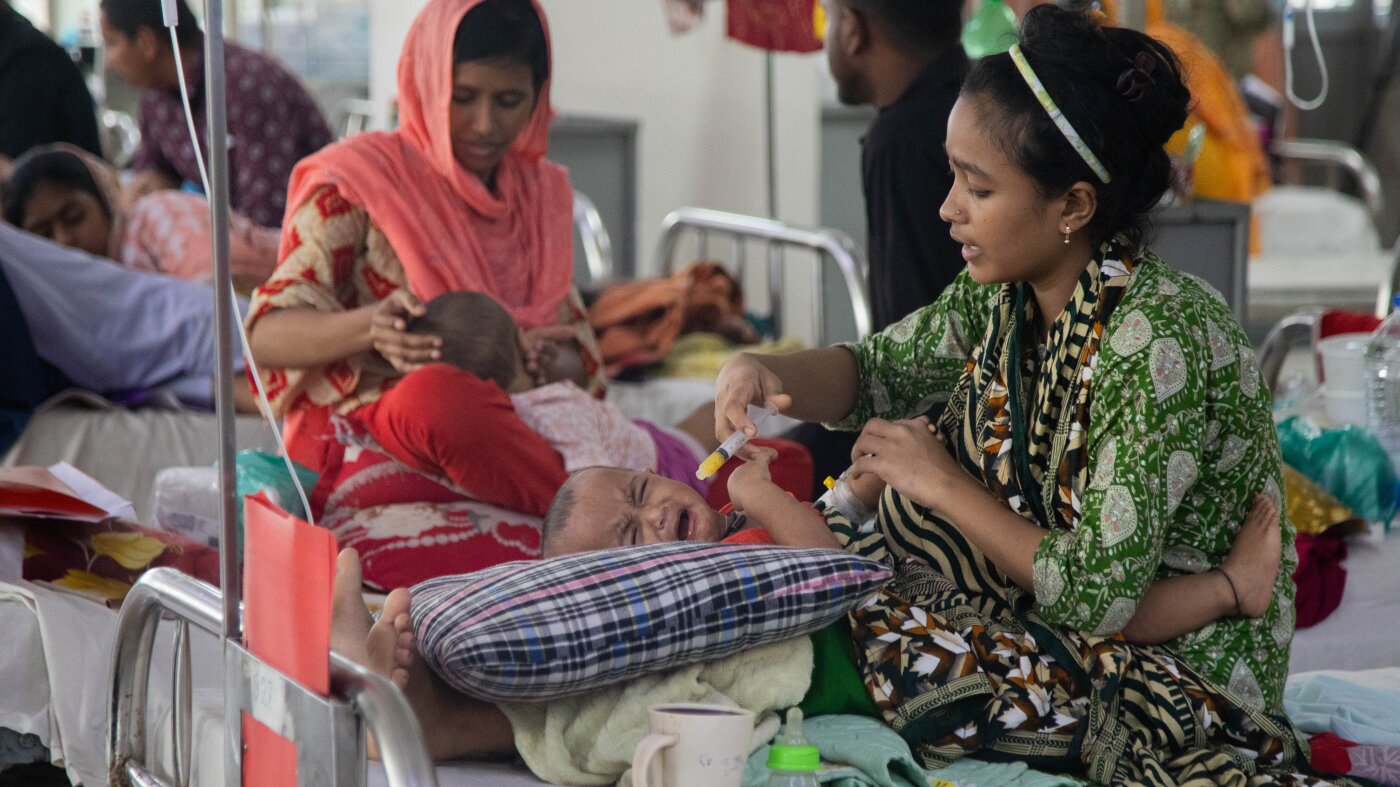
DHAKA, Bangladesh – The tragic measles outbreak in Bangladesh, which has claimed the lives of over 500 children since mid-March, exposes the devastating consequences of systemic failures and global neglect. This crisis, disproportionately impacting children under five, is not merely a health issue but a stark indictment of inequitable access to healthcare, the vulnerability of marginalized communities, and the devastating impact of political instability on public health infrastructure.
The outbreak, with over 60,000 suspected cases reported, has overwhelmed Bangladesh's healthcare system, particularly in Dhaka. The International Rescue Committee (IRC) rightly points to the immense strain on healthcare resources, but the deeper issue lies in the pre-existing vulnerabilities: widespread malnutrition among children, a legacy of inadequate social safety nets and economic inequality.
Measles, while preventable through vaccination, becomes deadly in contexts of malnutrition and poverty. In Bangladesh, where 1 in 4 children under five are stunted due to undernutrition, and 1 in 10 suffer from acute malnutrition, the virus preys on weakened immune systems. This outbreak underscores the urgent need for comprehensive interventions addressing both immediate healthcare needs and the underlying socio-economic determinants of health.
The disruption of Bangladesh's previously successful vaccination program following the 2024 governmental transition is a critical failure. The interim government's decision to revamp the vaccination system led to bureaucratic delays and supply chain disruptions, effectively dismantling a vital public health infrastructure. This decision reflects a disregard for the well-being of the most vulnerable and a failure to prioritize evidence-based public health policies.
Families like Miftahul Zannat's, who faced repeated rejections at overwhelmed hospitals in Dhaka, exemplify the systemic barriers to healthcare access. Their desperate journey to the capital highlights the disparities in healthcare resources between urban and rural areas, and the profound impact of poverty on healthcare outcomes. These are not isolated incidents but symptoms of a deeply unequal system.
The global community's relative silence on this unfolding tragedy is deeply troubling. While other health crises garner international attention, the measles outbreak in Bangladesh has been largely ignored. This disparity reflects a global hierarchy of concern, where the lives of children in low-income countries are devalued. International aid and support must be urgently mobilized to address the immediate health crisis and to invest in long-term solutions that address the root causes of vulnerability.