Bank Holiday Travel Surge Highlights Inequality as Millions Brave Congestion, High Fuel Costs
While many families attempt getaways amid rising temperatures, high fuel prices and border delays exacerbate travel woes, raising questions of accessibility and equity.
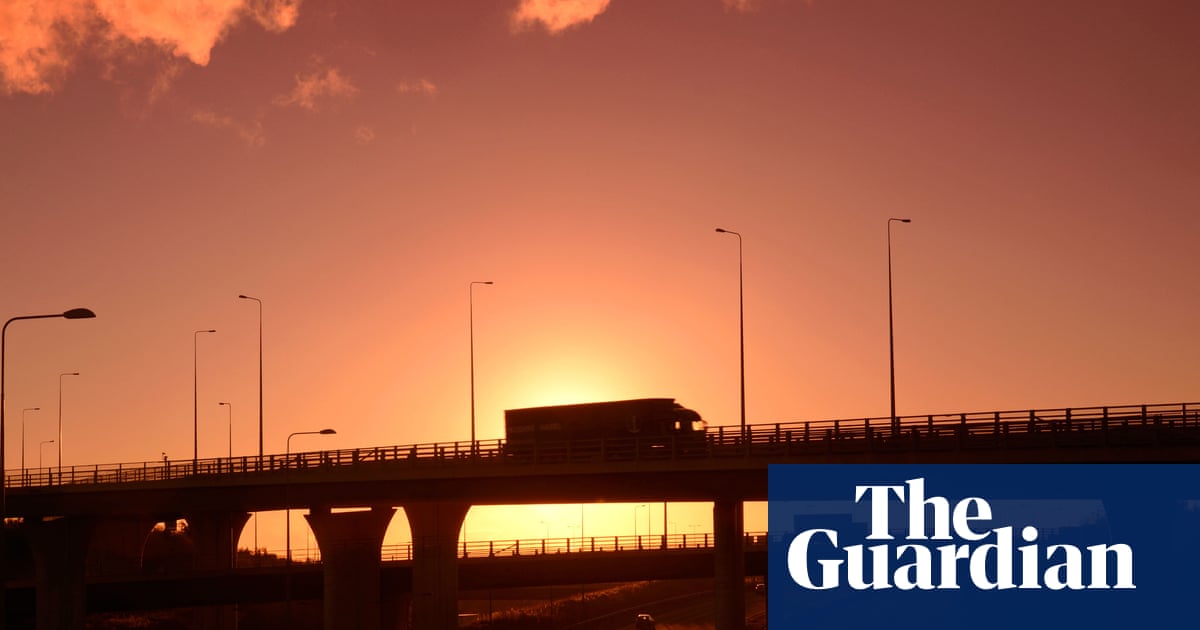
London - As Britain prepares for a bank holiday travel surge with temperatures soaring, the anticipated gridlock highlights the existing inequalities in accessing leisure and mobility. Almost 19 million drivers are expected to hit the roads, but rising fuel costs and border delays disproportionately affect working-class families seeking a break.
The RAC's prediction of nearly 19 million drivers on the roads indicates a demand for leisure travel, yet the average petrol price of 158.52p per liter – the highest since December 2022 – places a significant burden on household budgets. For low-income families, the cost of travel can be prohibitive, limiting their ability to participate in the holiday rush. The 5% of drivers reportedly staying home due to fuel costs underscores this economic disparity.
The AA’s findings that day trips to coastal areas will be more common than overnight stays suggests families are economizing, potentially foregoing longer, more beneficial vacations due to financial constraints. The anticipated congestion on routes to the east and northwest coasts of England, as well as roads to the southeast and Cornwall, highlights the strain on infrastructure, particularly impacting communities reliant on these routes for local commerce and tourism.
The situation at the Port of Dover further compounds these issues. The implementation of the EU's entry-exit system (EES) has led to significant delays, with hour-long processing waits reported. While intended to improve border security, the reality is that manual checks are ongoing due to the incomplete operational status of the French border control software. This inefficiency disproportionately affects working families attempting to travel abroad, adding time, stress, and potential missed connections to their holiday plans.
Despite concerns about EES delays at airports and geopolitical uncertainty affecting jet fuel, approximately two million people are expected to fly abroad, largely driven by demand for half-term breaks. Abta reports strong demand for trips to Mediterranean destinations. This dichotomy – increased air travel alongside struggles on domestic roads – illustrates a two-tiered system where those with higher incomes can bypass the challenges faced by those relying on road transport.
Moreover, the impact of climate change is becoming increasingly evident. The forecast of temperatures exceeding 30C underscores the need for sustainable travel solutions and policies that address the environmental impact of mass tourism. Investing in public transport infrastructure, particularly in rural and coastal areas, could alleviate congestion and reduce reliance on private vehicles, while also mitigating the carbon footprint of holiday travel.