Barbie Dream Fest Debacle Highlights Exploitation of Fan Culture
The failed Barbie Dream Fest in Florida exposes the dangers of prioritizing profit over genuine fan experiences and equitable access.
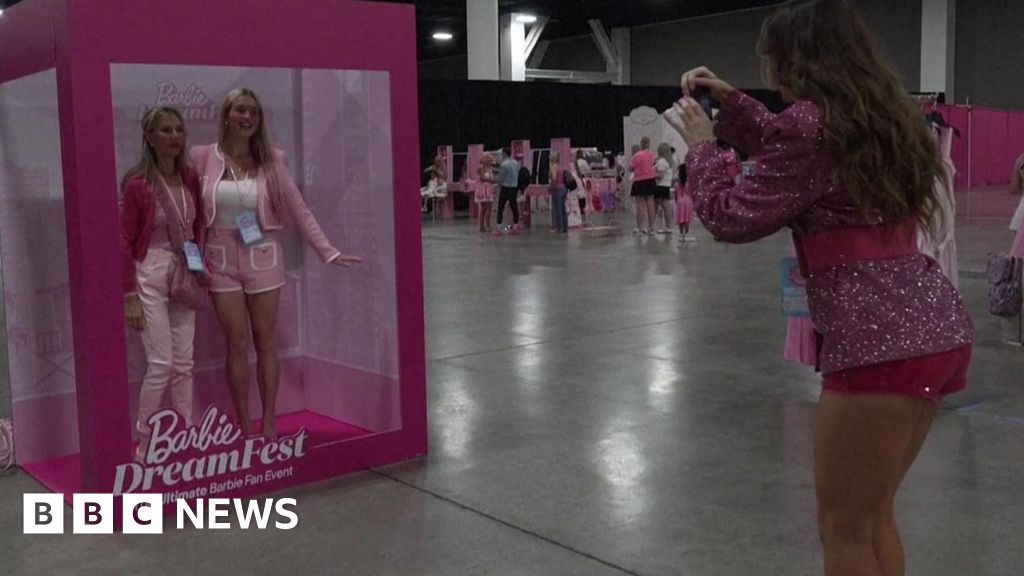
The Barbie Dream Fest fiasco in Florida serves as a stark reminder of how corporate greed can exploit fan culture and leave marginalized communities behind. While advertised as an 'unforgettable experience' for 'Barbie fans of every generation,' the event ultimately fell far short of its promises, leaving attendees feeling cheated and disillusioned. The situation underscores the importance of holding corporations accountable for deceptive marketing practices and ensuring that fan events are accessible to all, regardless of socioeconomic status.
The high cost of tickets, reaching up to $450, immediately created a barrier to entry for many potential attendees. This price point inherently favors wealthier individuals and families, excluding those from lower-income backgrounds who may be equally passionate about Barbie. The promise of 'glam, nostalgia, and dream-big energy' rings hollow when the event is financially inaccessible to a significant portion of the population.
The event's failure to deliver on its promises is not merely a matter of unmet expectations; it represents a deeper issue of corporate disregard for the emotional investment of fans. Attendees like Michael Gorey, who traveled from Ohio with his family, demonstrate the lengths to which people will go to participate in shared cultural experiences. When these experiences are commodified and reduced to hollow marketing ploys, the result is a profound sense of betrayal.
The critiques leveled against the event on social media highlight the stark contrast between the advertised fantasy and the disappointing reality. The 'life size Barbie dream house' described as a 'cheap backdrop with a picnic table on some fake turf/grass' symbolizes the event's overall lack of authenticity and genuine engagement with Barbie's cultural significance.
The experience of Hell Hotel, a burlesque group, further illustrates the event's failure to cater to a diverse audience. The group's observation that many activities were geared toward young children, despite the event being marketed to young women in their 20s and 30s, points to a lack of inclusivity and a failure to understand the varied interests of Barbie fans.
The responsibility for this debacle ultimately lies with Mischief Management and Mattel. While both companies have issued statements expressing regret and promising refunds, these actions do not fully address the underlying issues of corporate accountability and ethical marketing practices. It is crucial that these companies learn from this experience and implement measures to ensure that future events are genuinely inclusive, accessible, and respectful of fan culture.
Moreover, the Barbie Dream Fest incident underscores the need for greater consumer protection and regulatory oversight of fan events. Deceptive marketing practices should be subject to stricter scrutiny, and companies should be held accountable for failing to deliver on their promises. The incident also calls for a deeper examination of the commodification of fan culture and the potential for exploitation when profit motives are prioritized over genuine engagement and community building.
The similarities drawn to the Willy Wonka Experience in Glasgow further emphasize the systemic nature of these issues. Both events serve as cautionary tales about the dangers of hype-driven marketing and the importance of critical consumer awareness. By learning from these failures, we can work towards creating a more equitable and authentic landscape for fan culture, one that prioritizes the needs and experiences of fans over corporate profits.