Barney Frank, Champion of Financial Reform and LGBTQ+ Rights, Passes Away at 86
The progressive icon fought for working families and marginalized communities, leaving behind a legacy of impactful legislative action.
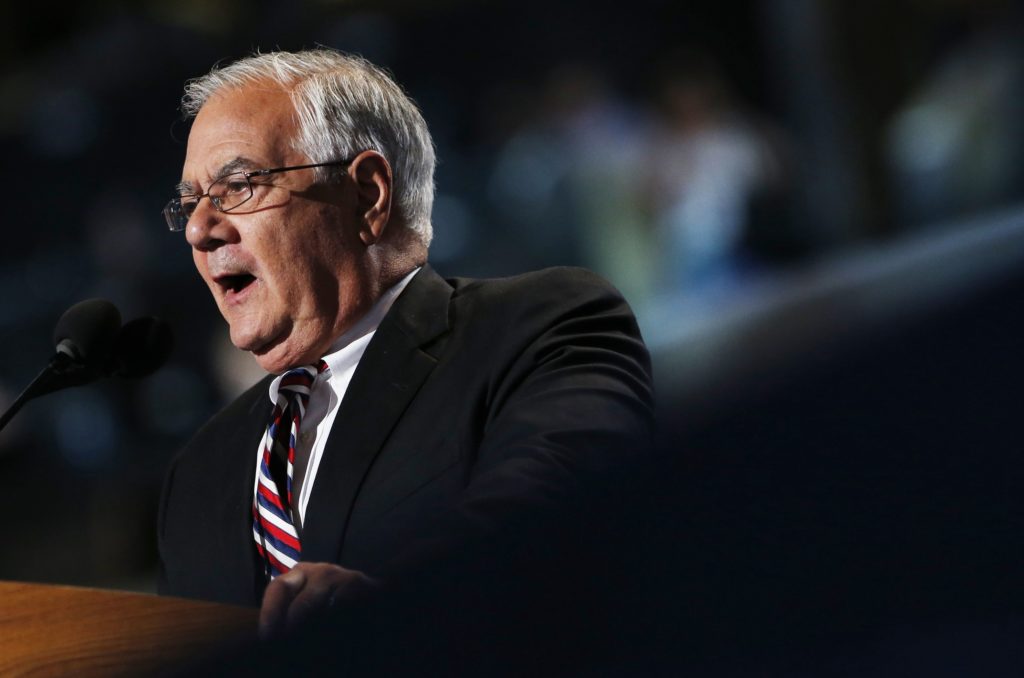
Barney Frank, a longtime Democratic congressman and unwavering advocate for progressive causes, has died at 86, leaving behind a legacy of impactful legislation and a commitment to social justice. Frank dedicated his career to fighting for working families, marginalized communities, and LGBTQ+ equality. His contributions to financial reform and his visibility as an openly gay member of Congress helped shape a more equitable and just society.
Frank's tenure in the U.S. House of Representatives, spanning from 1981 to 2013, was defined by his tireless efforts to address systemic inequalities. As chairman of the House Financial Services Committee, he played a crucial role in crafting the Dodd-Frank Wall Street Reform and Consumer Protection Act of 2010. This landmark legislation was a direct response to the 2008 financial crisis, which disproportionately impacted working-class families and communities of color.
The Dodd-Frank Act aimed to prevent future financial meltdowns by imposing stricter regulations on banks and financial institutions. It also established the Consumer Financial Protection Bureau (CFPB), a powerful agency tasked with protecting consumers from predatory lending practices and other financial abuses. Frank understood that unchecked corporate greed and reckless financial speculation could have devastating consequences for ordinary Americans, and he was determined to hold Wall Street accountable.
Beyond his work on financial reform, Frank was a pioneer in the fight for LGBTQ+ rights. As one of the first openly gay members of Congress, he challenged discriminatory laws and fought for equal rights for all Americans, regardless of their sexual orientation or gender identity. His very presence in Congress was a powerful symbol of progress and hope for the LGBTQ+ community.
Frank's advocacy extended beyond the halls of Congress. He was a vocal critic of economic inequality and a strong supporter of policies that would benefit low-income families and working-class individuals. He understood that access to affordable housing, healthcare, and education were essential for creating a more just and equitable society. He consistently championed policies that would level the playing field and give everyone a fair chance to succeed.
Frank's focus on marginalized communities was rooted in his deep empathy for those who have been historically excluded and oppressed. He believed that government had a responsibility to protect the vulnerable and ensure that everyone had the opportunity to live a life of dignity and security. He never shied away from challenging the status quo and fighting for a more just world.
While the Dodd-Frank Act has been credited with preventing a repeat of the 2008 financial crisis, its impact remains a subject of ongoing debate. Some critics argue that it has stifled economic growth and made it more difficult for small businesses to access credit. However, supporters maintain that it is essential for protecting consumers and preventing future financial crises.
Frank's contributions to the LGBTQ+ rights movement are undeniable. His visibility as an openly gay member of Congress helped to normalize homosexuality and pave the way for greater acceptance and equality. His advocacy played a key role in the legalization of same-sex marriage and other landmark LGBTQ+ rights victories.
Barney Frank's death is a profound loss for the progressive movement. He will be remembered as a tireless champion of social justice, a fearless advocate for LGBTQ+ rights, and a dedicated public servant who always put the needs of working families first.