BBC Leadership Vacuum: Crises Expose Systemic Failures and Threaten Public Service Mandate
Tim Davie's departure highlights the urgent need for structural reforms and a renewed commitment to diversity and inclusion at the BBC.
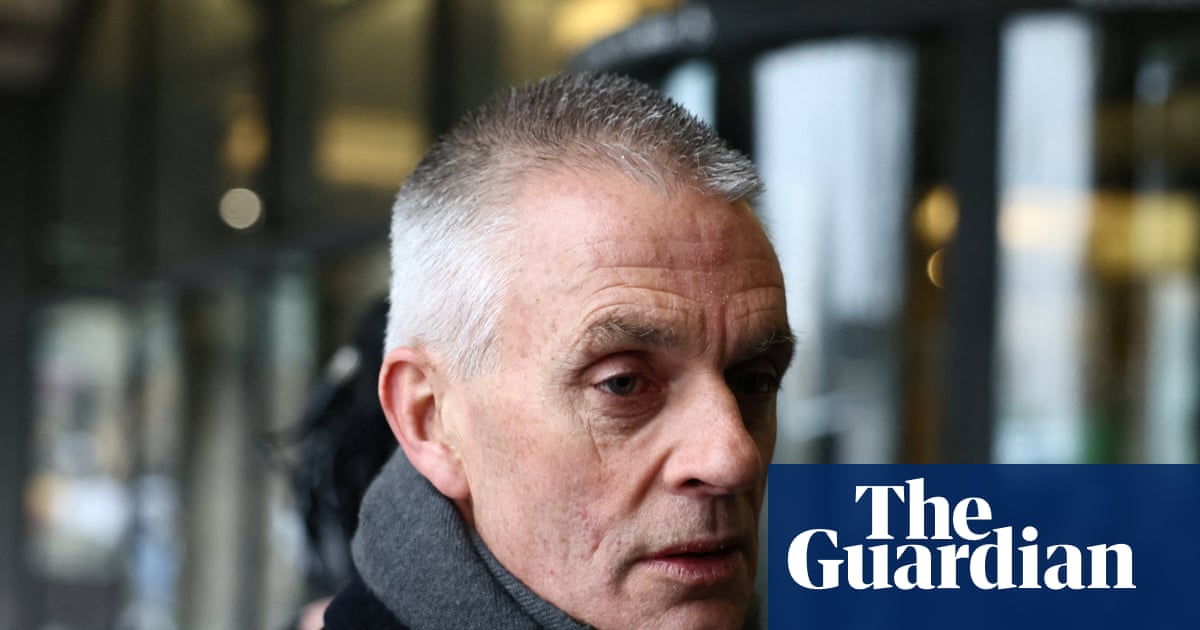
London - The BBC's struggle to find a successor to Tim Davie underscores the deep-seated systemic issues plaguing the corporation, issues that go far beyond individual leadership. Davie's early exit, triggered by a series of crises, reveals a pattern of institutional failings that threaten the BBC's public service mandate and its ability to serve diverse communities.
The recent controversy surrounding the use of a racial slur during the BAFTA awards broadcast exemplifies these failures. The incident, involving Tourette syndrome campaigner John Davidson's utterance of the N-word while actors Michael B. Jordan and Delroy Lindo were on stage, exposed a lack of editorial oversight and a failure to anticipate and prevent harm to marginalized communities. Culture Secretary Lisa Nandy's sharp rebuke highlights the government's growing concern over the BBC's ability to uphold its commitment to diversity and inclusion.
This incident is not an isolated event but rather a symptom of a broader culture within the BBC that has historically marginalized diverse voices and perspectives. The lack of representation behind the scenes, in editorial decision-making roles, contributes to these kinds of missteps. The pressure on Davie to address this incident and others, like it, likely accelerated his departure. The search for a new director general must prioritize candidates committed to dismantling these systemic barriers and fostering a truly inclusive and equitable workplace.
John Shield's characterization of the director general's role as “the hardest job in public life” speaks to the immense pressure to balance creative leadership with financial constraints and political scrutiny. However, this pressure should not excuse the failure to address the structural inequalities that perpetuate these crises. The next director general must be willing to challenge the status quo and implement meaningful reforms to ensure that the BBC reflects the diversity of the society it serves. The withdrawals of potential candidates like Jay Hunt and Alex Mahon suggest a reluctance to take on this challenge.
The BBC's funding model also contributes to its challenges. Reliance on license fees creates a system where the corporation is constantly under pressure to appease both the government and the public, making it difficult to prioritize long-term strategic goals, such as promoting diversity and inclusion. A more sustainable and equitable funding model is needed to ensure that the BBC can fulfill its public service mandate without being beholden to short-term political pressures.