Belfast Harbour's £1.3bn Expansion: A Boost for Economy, But at What Cost?
While the Belfast Harbour investment promises economic growth, concerns arise over environmental impact and equitable distribution of benefits.
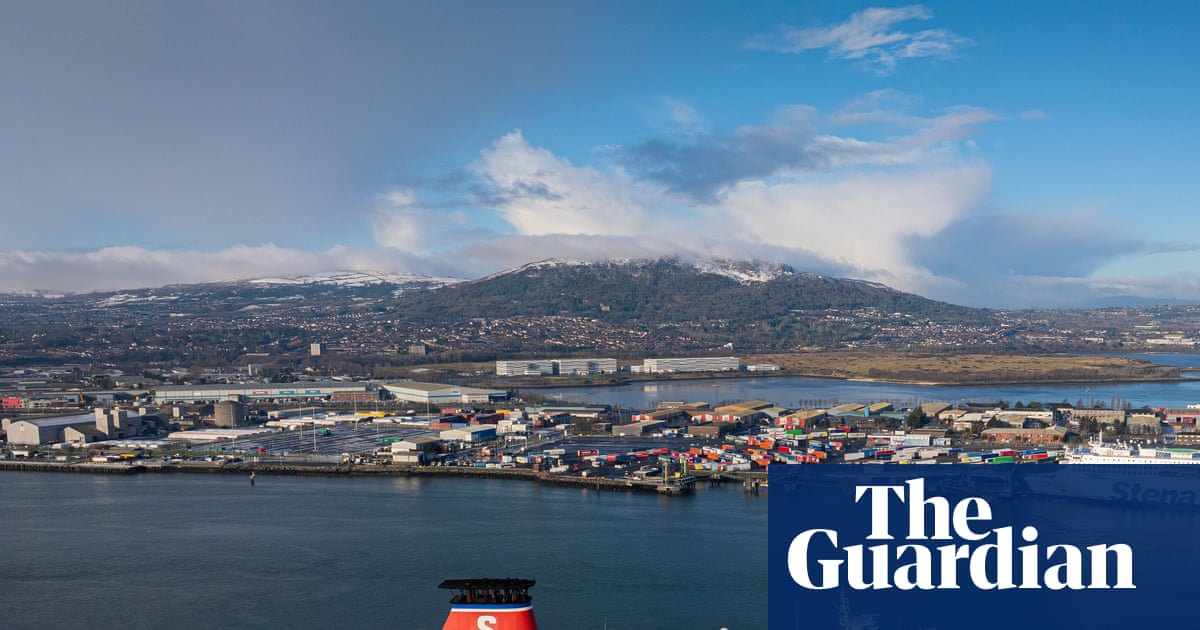
Belfast Harbour Commissioners' ambitious £1.3 billion investment over the next 25 years presents both opportunities and challenges for Northern Ireland. While proponents tout the plan as a major economic driver, crucial questions remain about its environmental sustainability and the extent to which its benefits will be shared across the community.
The investment, driven by Northern Ireland's recent economic growth, will focus on upgrading port infrastructure, including facilities for offshore wind projects, quays, ferry terminals, and container shipping. The potential addition of residential property developments could bring a further £750 million in investment.
However, the plan to reclaim more land for a new container terminal raises environmental concerns. Land reclamation can disrupt ecosystems, impact marine life, and potentially contribute to coastal erosion. A thorough environmental impact assessment is crucial to mitigate these risks and ensure sustainable development.
Beyond environmental concerns, the project's social impact warrants careful consideration. Will the new jobs created by the expansion be accessible to all members of the community, particularly those from disadvantaged backgrounds? Will the residential developments address the pressing need for affordable housing in Belfast?
Northern Ireland's economic growth has indeed outpaced the rest of the UK, largely due to its unique access to both UK and EU markets post-Brexit. However, this growth must be inclusive and equitable. The Belfast Harbour expansion should prioritize local hiring, skills training programs, and community benefits agreements to ensure that the economic gains are shared widely.
The need for legislative changes to allow the Harbour Commissioners to borrow money on financial markets adds another layer of complexity. These changes must be carefully scrutinized to ensure transparency and accountability, preventing potential financial risks.
Joe O'Neill, the chief executive of Belfast harbour, expresses confidence in the project's success. However, community engagement and public consultation are essential to address concerns and ensure that the expansion aligns with the needs and aspirations of the people of Belfast.
The history of Belfast harbour, built largely on reclaimed land, underscores the importance of responsible development. The legacy of the Harland & Wolff shipyard, which built the Titanic, serves as a reminder of the potential for both progress and disaster. This expansion should learn from past mistakes and prioritize sustainability and social justice.


