Beloved Nutria's Passing Highlights Invasive Species Management and Human-Animal Bonds
Neuty the nutria's life, and the fight to keep him as a pet, raises questions about how we balance ecological concerns with compassion for individual animals and the rights of marginalized communities.
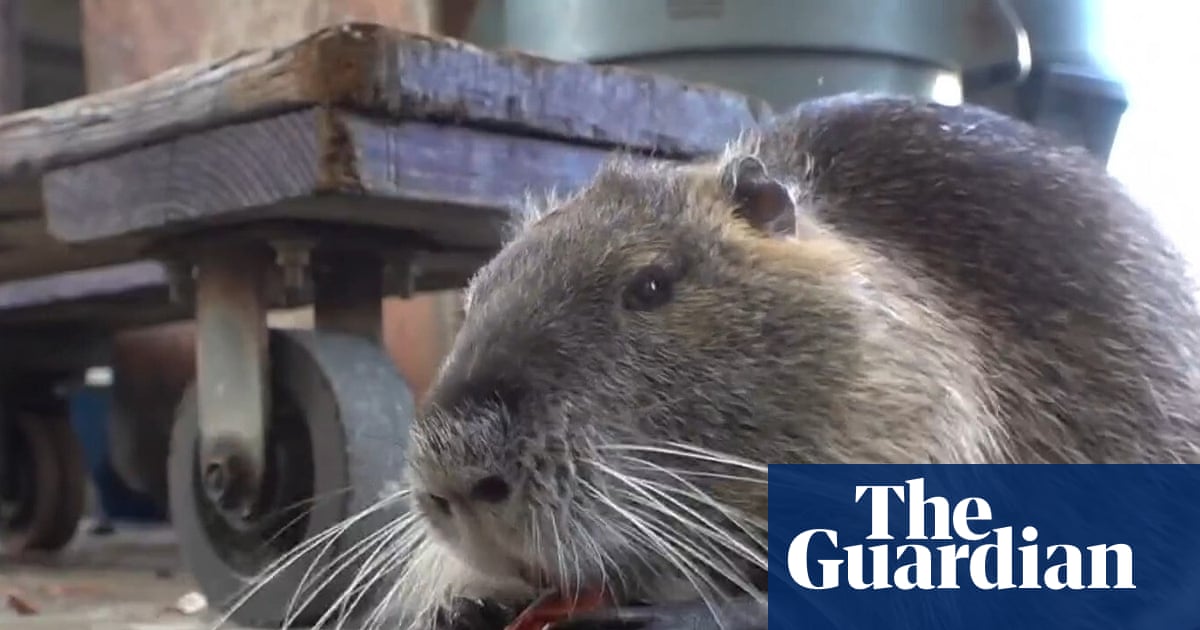
METAIRIE, La. — The recent passing of Neuty, a nutria whose owners, Denny and Myra Lacoste, successfully fought to keep him as a pet, brings into sharp focus the ongoing struggle to reconcile environmental conservation with human compassion, particularly in communities disproportionately affected by environmental policies.
Neuty’s story began on Christmas Eve 2020, when the Lacostes found him, a days-old infant, near a drainage canal in Metairie. His siblings had tragically been struck by a vehicle. Rescuing and domesticating Neuty, the Lacostes ignited a debate about our responsibility toward animals deemed “invasive.”
Nutrias, while undeniably causing ecological damage in Louisiana, are also victims of circumstance. Introduced to the region in the 1930s for fur farming, their impact is a direct consequence of human activity. Viewing them solely as pests overlooks the complex history of environmental exploitation and the need for systemic solutions.
The Louisiana Department of Wildlife and Fisheries' initial attempt to confiscate Neuty sparked public outcry, underscoring the public's growing awareness of animal rights and the potential for regulations to disproportionately impact working-class families who may form deep bonds with animals regardless of their classification.
The “free Neuty” petition, signed by over 17,000 people, illustrated the power of grassroots activism in challenging established power structures and advocating for more humane approaches to wildlife management. This activism should extend beyond individual cases to address the root causes of invasive species proliferation, such as unsustainable agricultural practices and habitat destruction.
Neuty’s subsequent fame, including an appearance on Fox News, demonstrates how even seemingly lighthearted stories can become platforms for broader conversations about environmental justice. The Lacostes’ willingness to challenge the state highlights the importance of empowering individuals to advocate for what they believe is right, even when facing powerful institutions.
The ecological damage caused by nutrias is a serious concern, but solutions must be equitable and sustainable. Eradication efforts should be carefully considered, minimizing harm to individual animals and addressing the underlying factors contributing to the species' proliferation. This includes investing in habitat restoration, promoting sustainable agriculture, and educating the public about responsible pet ownership.


