Bezos Defends $40M Melania Film Amidst Bribery Concerns
Critics question Amazon's priorities as millions are spent on a vanity project while workers face precarious conditions.
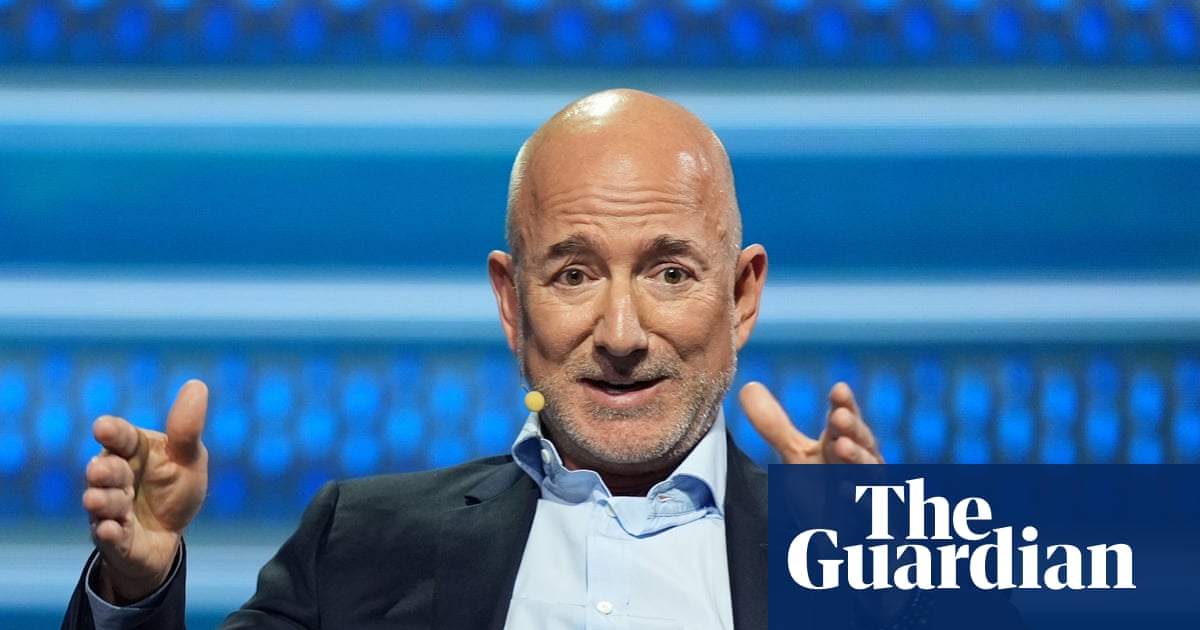
Amazon founder Jeff Bezos has defended the company's $40 million investment in a documentary about Melania Trump, sparking renewed criticism about corporate priorities and potential conflicts of interest. The film, acquired by Amazon and starring the former First Lady, has become a lightning rod for accusations of political favoritism and financial misallocation, especially in light of Amazon's well-documented labor practices and tax avoidance strategies.
Bezos’ assertion that the film was a “good business decision” rings hollow to many, considering its poor box office performance and the ongoing scrutiny of Amazon's business practices. While Bezos claims he had no personal involvement in the deal, the optics of a major corporation spending such a large sum on a project tied to a politically powerful figure raises serious ethical questions.
Senator Elizabeth Warren has been a vocal critic of the deal, labeling it “an apparent pay-to-play arrangement with the Trump administration.” This accusation highlights the deep-seated concerns that corporations like Amazon wield undue influence in Washington, using their vast resources to gain favorable treatment at the expense of the public good. The timing of the acquisition, coinciding with Amazon’s efforts to secure government contracts and influence regulatory decisions, only amplifies these concerns.
The film itself, directed by Brett Ratner, further complicates the issue. Ratner has faced multiple allegations of sexual misconduct, raising questions about Amazon's commitment to ethical standards and its willingness to associate with individuals accused of harmful behavior. This decision sends a troubling message, particularly in the context of the #MeToo movement and the ongoing fight for gender equality.
The $40 million spent on the Melania documentary could have been used to address pressing social needs, such as improving working conditions for Amazon employees, investing in sustainable energy initiatives, or supporting affordable housing programs. Instead, it was used to finance a project that has been widely panned by critics and has failed to generate significant financial returns.
This situation underscores the broader issue of wealth inequality and the concentration of power in the hands of a few corporations. Amazon's vast wealth allows it to engage in projects like the Melania documentary, while millions of Americans struggle to make ends meet. It highlights the need for stronger regulations and greater corporate accountability to ensure that companies like Amazon are serving the public interest, not just their own bottom line.