BHP's Climate Backsliding Exposes Weaknesses in Australia's Environmental Safeguards
Leaked documents reveal BHP's slowed decarbonization efforts, raising concerns about the effectiveness of the safeguard mechanism and the influence of fossil fuel subsidies.
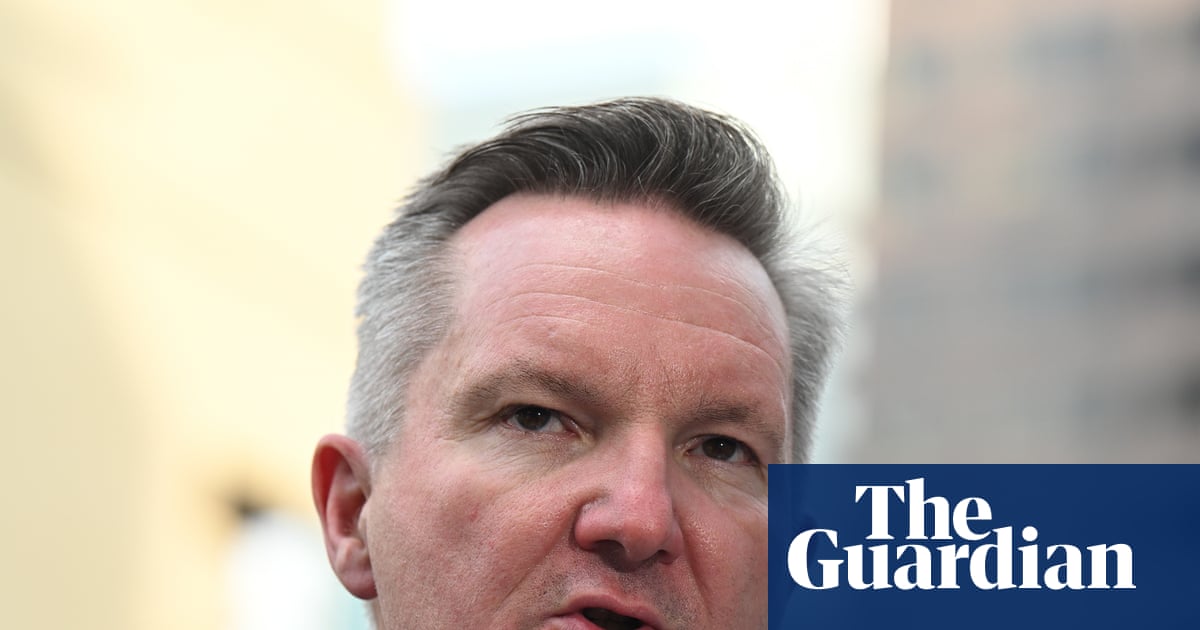
Australia's Climate Change Minister, Chris Bowen, has called on BHP and other major polluters to intensify their onsite emission reductions after leaked documents exposed the mining giant's backtracking on climate commitments. This revelation underscores the inadequacy of the current safeguard mechanism in driving meaningful environmental action and highlights the regressive impact of government subsidies that incentivize fossil fuel consumption.
The leaked documents, obtained by The Guardian and the ABC, paint a troubling picture of BHP's revised climate strategy. The company has reportedly scrapped a project aimed at substantially reducing global emissions and has delayed renewable energy initiatives in the Pilbara region of Western Australia. Even more alarming, BHP is considering postponing the electrification of its diesel-powered truck and train fleets for up to two decades, despite internal memos from 2023 recognizing the critical importance of urgent decarbonization for maintaining its social license to operate.
Experts and analysts contend that BHP's stalled decarbonization progress exposes the shortcomings of the safeguard mechanism, a key climate policy intended to curb industrial emissions. The policy's flexibility, which allows companies to meet reduction targets through carbon offsets rather than direct emission cuts, creates loopholes that enable polluters to continue business as usual. Furthermore, the influence of diesel tax breaks granted to large mining companies like BHP undermines the policy's effectiveness by incentivizing fossil fuel use.
The safeguard mechanism, introduced in 2016 and revamped in 2023, mandates that Australia's largest industrial facilities reduce their greenhouse gas emissions intensity each year. While the revamped scheme sets new emission limits for each facility, it allows companies to meet their obligations through a combination of onsite emission cuts and carbon offsets. This reliance on offsets, particularly those generated through controversial projects, raises concerns about the policy's ability to deliver genuine emission reductions.
The original safeguard mechanism, introduced by the Coalition government, failed to prevent industrial emissions from rising, demonstrating the need for more stringent and effective policies. The Albanese Labor government's revisions in 2023 aimed to strengthen the policy, but the ongoing concerns about loopholes and the influence of fossil fuel subsidies suggest that further reforms are needed.