Biden's Lawsuit Against DOJ Highlights Privacy Concerns in Political Investigations
Biden's legal challenge to the release of special counsel probe materials raises critical questions about the balance between government transparency and individual privacy, especially for those who have served in public office.
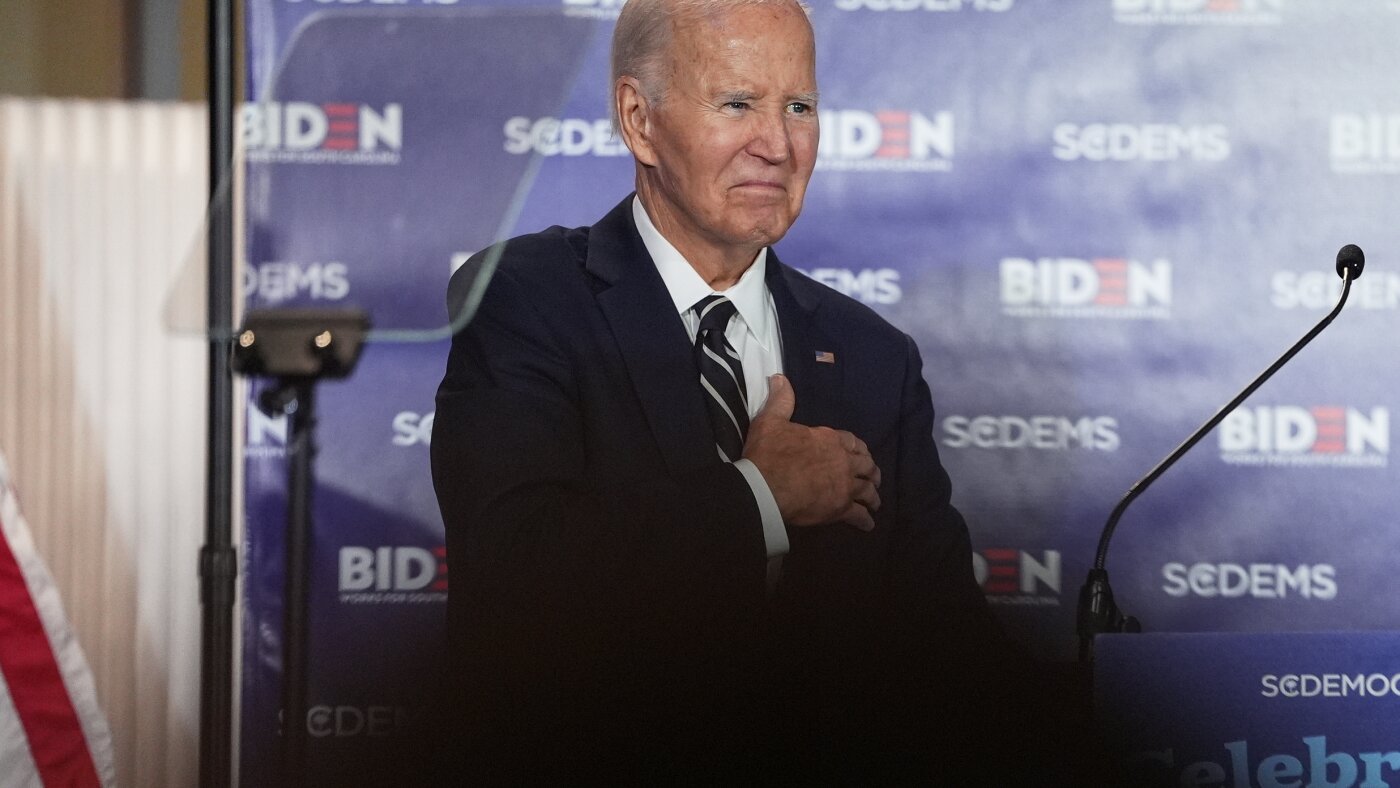
WASHINGTON — Former President Joe Biden's lawsuit against the Justice Department over the release of audio recordings and transcripts from the special counsel investigation into his handling of classified documents shines a light on the complex interplay between transparency, privacy, and the potential for political weaponization of investigations.
The lawsuit, filed in Washington's federal court, aims to prevent the release of these materials to Congress and the Heritage Foundation, a conservative organization. Biden's legal team argues that such a disclosure would constitute an unwarranted invasion of privacy, a right they assert is fundamental to all Americans, including former high-ranking officials.
"Every American, including a sitting or former Vice President, has a right to privacy in the personal conversations he has within his own home," his attorneys wrote. "And when the U.S. Department of Justice obtains that private information through a criminal investigation, the Department bears a particular responsibility to protect it from disclosure."
The materials in question stem from interviews Biden conducted with Mark Zwonitzer, his ghostwriter, in 2016 and 2017. Special Counsel Robert Hur reviewed these materials as part of his investigation into Biden's alleged improper retention of classified documents. While Hur's report questioned Biden's age and mental competence, it ultimately recommended against criminal charges.
This legal battle underscores the ongoing debate about the appropriate level of transparency in government investigations, particularly when the subjects are prominent political figures. While transparency is crucial for accountability, the release of private conversations can have far-reaching consequences, potentially chilling future cooperation with investigations and creating a climate of fear and distrust.
The decision by the Justice Department to release these materials to a partisan organization like the Heritage Foundation raises further concerns about the potential for political motivations. Critics argue that such disclosures can be used to selectively target and undermine political opponents, further eroding public trust in government institutions.
Biden's previous resistance to the release of audio recordings from his interview with Hur, which led to a contempt of Congress vote against Attorney General Merrick Garland, highlights the intensity of this debate. The release of transcripts of five hours of interviews in 2024, which revealed instances where Biden appeared uncertain about details, fueled further scrutiny.


