Birthright Citizenship Under Threat: Supreme Court Case Could Undermine Foundational Right
The Supreme Court's consideration of birthright citizenship jeopardizes a cornerstone of American equality and risks creating a marginalized underclass.
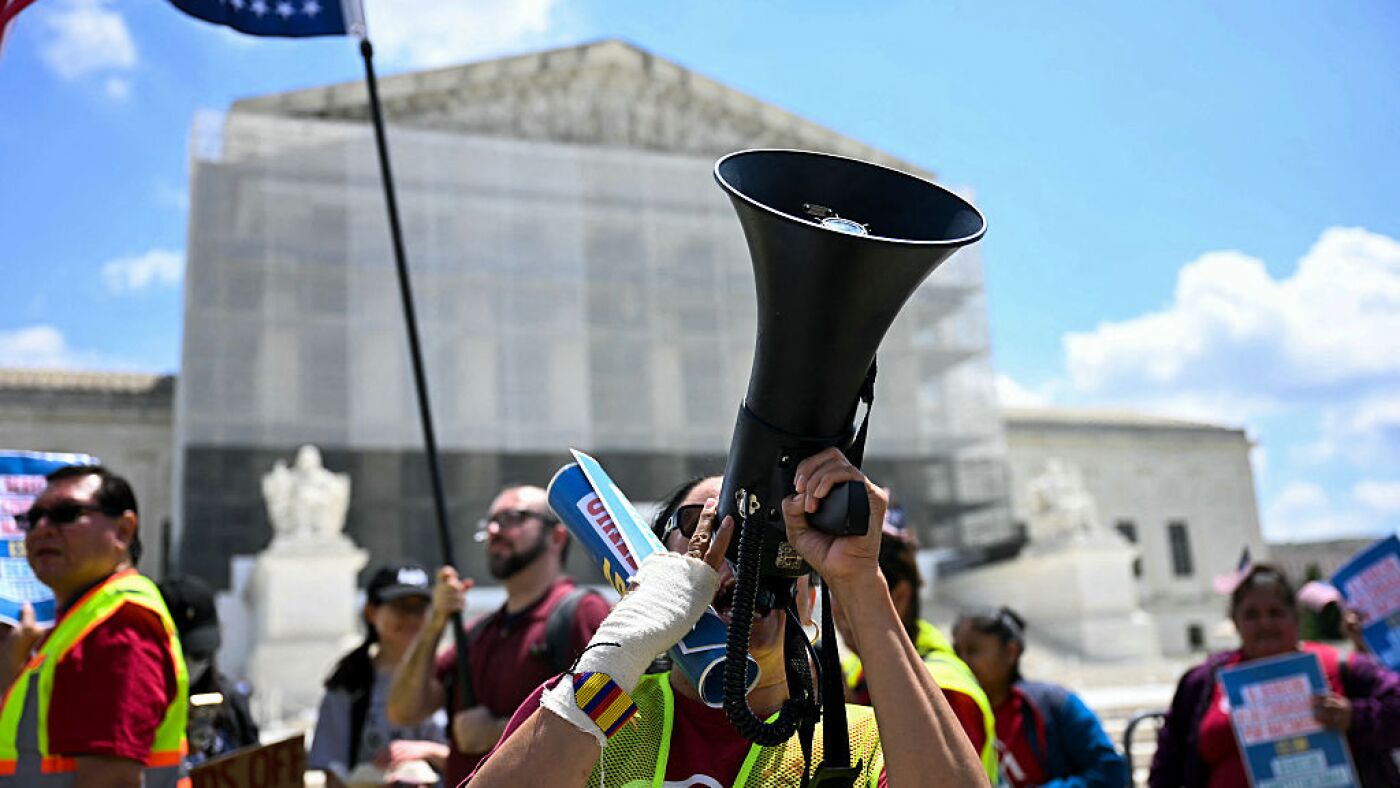
Washington D.C. – The Supreme Court is poised to hear arguments that could dismantle a long-held understanding of the 14th Amendment: birthright citizenship. This fundamental right, enshrined in the Constitution, guarantees that all individuals born within U.S. borders are citizens, regardless of their parents' immigration status. The case arrives after years of attacks on immigrant communities and represents a dangerous shift towards a more exclusionary vision of America.
The 14th Amendment, ratified in 1868, was designed to ensure the citizenship of formerly enslaved people and prevent the creation of a permanent underclass. Its promise of equal protection under the law has been a guiding principle for civil rights and social justice movements ever since. Undermining birthright citizenship would betray this legacy and create a vulnerable population denied basic rights and opportunities.
The Trump administration's challenge to birthright citizenship is rooted in xenophobia and a desire to restrict immigration, particularly from Latin America. Their claim that the 14th Amendment is outdated or misinterpreted ignores the historical context and the amendment's clear intent to guarantee equal rights for all.
The attack on jus soli (right of soil), the principle of birthright citizenship, is part of a broader global trend of restrictive immigration policies. While many countries adhere to jus sanguinis (right of blood), where citizenship is determined by familial lineage, the United States has historically embraced a more inclusive approach. Restricting birthright citizenship would align the U.S. with a minority of nations and further isolate it on the world stage.
The consequences of ending birthright citizenship would be devastating. It would create a large population of individuals living in legal limbo, denied access to education, healthcare, and other essential services. This would not only harm these individuals but also create a drag on the economy and exacerbate social inequalities.
Public opinion on birthright citizenship is nuanced, but polls consistently show that a majority of Americans support the principle of citizenship for those born in the U.S. However, this support weakens when the question is framed around undocumented immigrants, highlighting the need for education and advocacy to counter anti-immigrant narratives.